
Preventing Stone Loss in Industrial Laundering With ISO 6330 Wash Tests and Heat Press Curves
In the commercial garment embellishment sector, there is no failure more costly or reputation-damaging than stone loss after laundering. For fashion brands, athletic apparel makers, and competitive dance ateliers, decorated garments represent premium inventory. When a cheerleader’s competition uniform, an evening gown, or a branded streetwear hoodie emerges from a home washing machine missing dozens of crystals, the brand faces immediate customer churn, product returns, and catastrophic retail chargebacks.
Too often, garment manufacturers treat stone loss as an unpredictable mystery. When rhinestones fall off, decorators blame their washing machines, accuse the fabric mill of poor dye quality, or assume that all hotfix crystals are inherently fragile.
In reality, hotfix adhesion is pure applied physics and polymer chemistry. When high-grade optical crystals are backed by industrial thermosetting adhesives and fused using calibrated thermal curves, decorated garments easily withstand dozens of commercial laundry cycles.
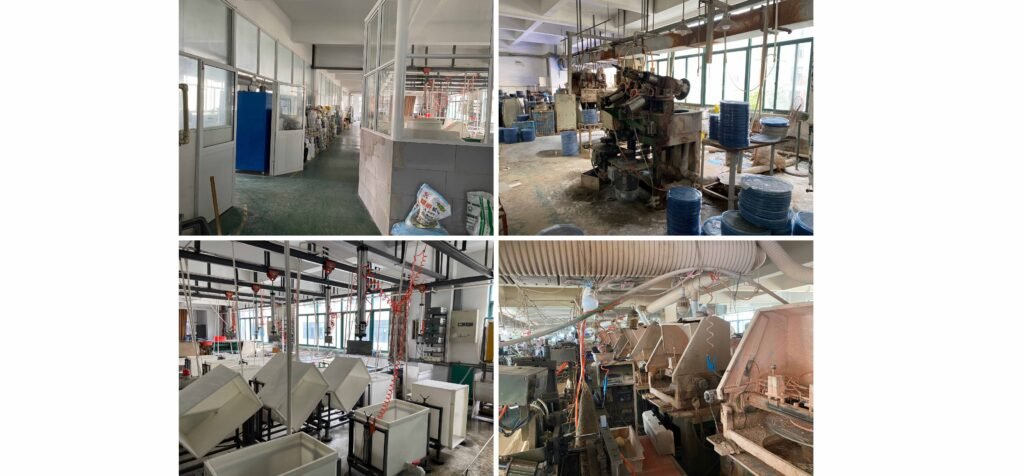
As detailed in our foundational guide on sourcing bulk hotfix rhinestones directly from China, achieving institutional wash durability begins with selecting verified adhesives and adhering to standardized testing protocols. At Guangzhou Yiben E-Commerce Co., Ltd., we have spent 12 years manufacturing hotfix crystals in our Baiyun District facility, testing our embellishments against international textile durability benchmarks for apparel exporters in more than 50 countries.
This technical guide dissects the microscopic mechanics of hotmelt bonding, outlines the ISO 6330 domestic laundering test protocol, details the calibrated heat press thermal curve required for sub-2% stone loss, and provides root-cause diagnostic matrices for common factory bonding failures.
The Microscopic Mechanics of Hotmelt Adhesive Bonding
To prevent stone peeling, production managers must understand how hotfix adhesive bonds to textile yarns at a microscopic level.
A hotfix rhinestone is not simply glued to the surface of a garment like a piece of paper. Instead, the process relies on a thermal phase change followed by mechanical interlocking:
1. The Solid Phase: At room temperature, our pre-coated German industrial grey glue rests on the reverse side of each K9 crystal as a dry, non-tacky, solid thermosetting polyamide resin. 2. The Liquefaction Phase: When subjected to a calibrated temperature range of 150°C to 170°C under pneumatic pressure, the resin undergoes a rapid viscosity drop. It transforms from a solid disc into a low-viscosity liquid polymer. 3. The Capillary Migration Phase: Under continuous platen pressure (3.5 to 4.5 bar), the liquid glue does not remain pooled on top of the fabric. Instead, capillary action forces the molten polymer down between the individual warp and weft yarns, encapsulating the fibers. 4. The Cross-Linking Solidification Phase: As the heat source is removed and the garment cools, the polymer cross-links and hardens, creating a permanent mechanical anchor. The crystal is physically locked into the textile matrix.
| Adhesive Formulation Type | Microscopic Bonding Mechanism | Washing & Chemical Resistance |
|---|---|---|
| German Industrial Grey Glue (Yiben Factory Standard) | Low-viscosity molten resin penetrates deep into interstitial fiber core, forming permanent mechanical anchor | High hydrolytic resistance; withstands 50+ ISO 6330 machine wash cycles (<2% loss) |
| Secondary Recycled Yellow/Amber Glue | Rigid, brittle cross-linking that fails to encapsulate yarns; shears easily under dynamic textile tension | Low thermal stability; decomposes above 140°C and dissolves in alkaline detergents |
| Generic Clear Silicone/EVA Hotfix Glue | High surface tension prevents capillary penetration, forming only a weak superficial surface film | Extremely poor shear strength; peels off completely during tumble dryer heat cycles |
The fundamental reason low-grade imported rhinestones peel during washing is adhesive formulation. Cheap commercial stones frequently utilize recycled scrap plastics or secondary EVA adhesives that cure brittle. When a garment flexes during tumble agitation, brittle glue simply snaps off the fabric yarns.
By contrast, the German industrial hotmelt grey glue formulated on Yiben K9 crystals contains elastomeric polymers that maintain flexible memory, flexing with synthetic stretch fabrics without fracturing.
The ISO 6330 Standardized Domestic Laundering Protocol Explained
In professional apparel manufacturing, subjective wash tests—such as tossing a single shirt into a home washer with dirty towels—are unacceptable for production validation. Major global apparel brands and retail buying houses mandate compliance with standardized laboratory washing protocols, specifically ISO 6330 (*Textiles — Domestic washing and drying procedures for textile testing*).
The Standardized ISO 6330 Test Cycle
At our Guangzhou factory laboratory, we test production-lot fabric swatches under ISO 6330 parameters to verify adhesive integrity before approving bulk export dispatches:
* Washing Machine Type: Type A (Front-loading horizontal rotating drum reference machine, simulating standard European and American commercial washing). * Test Program: Method 4N (Normal agitation wash at 40°C ± 3°C). * Reference Detergent: Non-phosphate ECE reference detergent without optical brighteners, dosed at 1.0 g/liter of wash liquor. * Washing Ballast: 100% knitted polyester ballast fabric panels added to create a standardized total dry load of 2.0 kg. * Drying Procedure: Procedure C (Flat line drying) or Procedure F (Tumble drying at normal exhaust temperatures of 60°C).
The 50-Wash Durability Benchmark
A single decorative garment sold in high-end retail is expected to survive the lifespan of the underlying textile. Our factory durability threshold requires that garments embellished with Yiben K9 hotfix crystals achieve a stone retention rate exceeding 98% (less than 2% cumulative stone loss) after 50 consecutive ISO 6330 washing and drying cycles.
| Adhesive Quality Tier | Stone Loss after 5 Cycles | Stone Loss after 20 Cycles | Stone Loss after 50 Cycles | Visible Adhesive Degradation |
|---|---|---|---|---|
| **Yiben K9 German Grey Glue** | **0.0% to 0.4%** | **0.5% to 1.2%** | **<2.0% Cumulative** | Zero glue discoloration, perimeter edge seal intact |
| Standard Grade White Glue | 3.5% to 7.0% | 14.0% to 22.0% | 38.0% to 55.0% | Moderate edge fraying, perimeter adhesive peeling |
| Economy Yellow / Amber Glue | 12.0% to 25.0% | 45.0% to 70.0% | >85.0% (Total Failure) | Severe glue embrittlement, adhesive residue stains |
| Acrylic Plastic Hotfix Stones | 18.0% to 35.0% | >60.0% | 100% Detached | Stones melt, surface clouds, glue releases entirely |
To verify comparative material resistance across different stone substrates, review our factory laboratory analysis of K9 crystal vs acrylic rhinestones.
The Factory Heat Press Curve for Sub-Two-Percent Stone Loss
Even the highest grade German hotmelt glue will fail if applied under improper factory pressing parameters. Achieving institutional wash durability requires strict control over three interrelated thermodynamic variables: Temperature, Pressure, and Dwell Time.
| Pressing Parameter | Factory Target Specification | Quality Control Imperative |
|---|---|---|
| Platen Target Temperature | 160°C (320°F, Window: 155°C – 165°C) | Below 150°C resin fails to liquefy; above 175°C polymer thermally degrades |
| Pneumatic Line Pressure | 3.5 – 4.5 Bar (50 – 65 PSI) | Mandatory pneumatic clamping to drive molten polymer through fabric yarn bundles |
| Continuous Dwell Time | 12 – 15 Seconds | Guarantees continuous heat conduction through textile weave without burning fibers |
| Heat Application Direction | Reverse (Back of Garment) | Direct heat conduction into glue pool without optical refraction loss through glass body |
| Transfer Film Removal | 100% Completely Cold Peel | Premature warm peeling lifts molten glue beads, degrading bond tensile rating |
1. Platen Temperature and the 160°C Activation Threshold
The active melting and cross-linking window for German hotmelt grey glue is between 150°C and 170°C. * If temperature drops below 150°C: The resin fails to reach full liquefaction. It remains semi-solid and cannot penetrate between the textile yarns, resulting in premature cold-peel failure. * If temperature exceeds 175°C: The polymer risks thermal degradation, causing the adhesive to burn, discolor, and lose molecular elasticity.
Operational Rule: Calibrate your heat press platen weekly using certified digital surface pyrometers or thermo-strips. Never rely on the built-in analog or digital dial on an uncalibrated press, as heating element cold spots are common across large platens.
2. Pneumatic Pressure Between 3.5 and 4.5 Bar
Manual hobby heat presses relying on manual arm clamping are incapable of generating consistent commercial pressure. Commercial garment facilities must utilize pneumatic or hydraulic flatbed presses set between 3.5 and 4.5 bar (50 to 65 PSI).
Adequate pressure is essential to force molten glue past surface textile fuzz and into the core of the yarn bundles. Insufficient pressure leaves the adhesive perched on top of microscopic surface fibers; when those surface fibers break during washing, the stone falls off with the glue still attached.
3. Dwell Time Between 12 and 15 Seconds
Thermosetting polyamide requires a minimum of 12 continuous seconds under active heat and pressure to complete polymer cross-linking. Cutting dwell time to 6 or 8 seconds to increase hourly piece rates is the single most common cause of commercial adhesion failure.
4. Reverse Pressing as the Production Standard
Whenever fabric design allows, always apply heat from the reverse side of the garment.
Optical crystal glass is an effective thermal insulator. Applying heat directly from the front requires driving heat through 3 to 6 millimeters of glass before reaching the adhesive underneath, risking facet scorching or stone discoloration.
Pressing from the reverse side transfers thermal energy directly through the thin textile knit into the glue layer within 10 to 12 seconds, achieving maximum adhesive liquefaction without thermal stress on the crystals.
5. The Absolute Cold Peel Mandate
Never peel silicone transfer tape while the application area is warm.
When hotfix glue is warm, its internal tensile strength is minimal. Peeling the carrier tape away from warm stones creates micro-shearing at the glue perimeter, lifting molten adhesive fibers away from the textile. Allow the garment to cool to ambient room temperature (minimum 2 minutes) before gently peeling the carrier sheet back at a flat 180-degree angle.
For comprehensive operational settings across specific fabric types, consult our factory guide on rhinestone heat transfer temperature settings.
Fabric Specific Pressing Adjustments for Technical Textiles
Different textile compositions present unique thermal thresholds, moisture contents, and surface chemistry that demand specific heat press adjustments.
| Textile Substrate | Key Sourcing Challenge | Pre-Press Moisture Evacuation | Recommended Temperature | Recommended Dwell Time | Recommended Pneumatic Pressure |
|---|---|---|---|---|---|
| **100% Heavy Cotton / Fleece** | High natural moisture retention causes steam bubbling | Mandatory 5-second dry pre-press | 160°C – 165°C | 15 Seconds | 4.0 – 4.5 Bar (Firm) |
| **Poly-Spandex / Lycra Knits** | Synthetic elastane fibers scorch or glaze above 165°C | None required | 155°C – 160°C | 12 – 14 Seconds | 3.5 – 4.0 Bar (Medium) |
| **Performance Nylon (Activewear)** | Low melting point and static electricity | None required | 150°C – 155°C | 12 – 14 Seconds | 3.0 – 3.5 Bar (Medium) |
| **DWR-Coated Outerwear** | Hydrophobic silicone coatings repel hotmelt glue | Alcohol wipe or high-pressure pre-heat | 160°C – 165°C | 15 – 18 Seconds | 4.5 Bar (Firm) |
| **Delicate Silk / Chiffon** | Thermal scorching and fabric crush | Mandatory Teflon buffer sheet | 145°C – 150°C | 10 – 12 Seconds | 2.5 – 3.0 Bar (Light-Medium) |
Overcoming Chemical Finishes and Water-Repellents
Modern athletic and outerwear textiles are heavily treated with durable water repellent (DWR) coatings, silicone fabric softeners, and anti-microbial treatments. These chemical coatings form a microscopic barrier that prevents hotmelt adhesives from bonding to the synthetic fibers.
To bond hotfix crystals securely to performance textiles: 1. The Pre-Production Rub Test: Wipe the target application zone with a clean lint-free cloth dampened with 70% isopropyl alcohol to remove surface silicone oils. 2. Reverse Pressing with High Pressure: Increase pneumatic line pressure to 4.5 bar, driving the molten German grey glue past the hydrophobic coating directly into the fiber weave. 3. Destructive Sample Trial: Always run a 5-wash trial on production swatches before committing to a 5,000-unit factory embellishment run.
Explore our pre-production quality workflow in the pre-production rhinestone checklist.
Root Cause Diagnostics for Common Adhesive Failures
When stone loss occurs on a factory floor, production managers need rapid diagnostic protocols to pinpoint the exact failure mode. Examine the detached stone and the fabric surface under a 10x magnifying loupe:
Failure Mode 1 When Stone Detaches and Glue Remains on Fabric
* Visual Appearance: The flat circular glue disc remains bonded securely to the textile, but the glass crystal has popped off, leaving a bare grey circle. * Root Cause: Glass-to-glue adhesion failure. This occurs when stones are manufactured with contaminated glass backs, low-grade silver vacuum plating, or when front platen temperature was excessively high, destroying the bond between the glass facet and the adhesive layer. * Correction: Switch to optical K9 stones utilizing genuine German grey glue. Ensure platen temperatures do not exceed 165°C.
Failure Mode 2 When Stone Detaches With Glue Intact on Stone Back
* Visual Appearance: The crystal falls off with the entire grey glue disc attached to its reverse side. The garment shows a clean, unblemished fabric weave with zero adhesive penetration. * Root Cause: Thermal under-curing or insufficient pressure. The glue never reached its 150°C melting threshold, or pneumatic pressure was too weak to force molten polymer into the yarn bundles. * Correction: Verify platen temperature with a digital pyrometer, increase pneumatic pressure to 4.0 bar, and extend dwell time to 15 continuous seconds.
Failure Mode 3 When Glue Seeps Out Creating Halo Stains Around Stones
* Visual Appearance: Stones remain attached, but an unsightly ring of melted grey adhesive has bled outwards onto the surrounding fabric. * Root Cause: Excessive platen pressure combined with over-temperature, crushing the molten polymer beyond the stone perimeter. * Correction: Reduce pneumatic pressure by 0.5 to 1.0 bar and decrease platen temperature to exactly 160°C.
Failure Mode 4 When Stone Loss Is Concentrated on Garment Seams and Edges
* Visual Appearance: Stones on open fabric panels remain secure, while stones placed near collar seams, zippers, or pocket hems fall off after the first wash. * Root Cause: Uneven platen pressure. Thick garment seams prevent the flat heat press platen from making firm, flush contact with adjacent flat fabric areas. * Correction: Insert high-density silicone heat press pillows or custom-cut foam blocks inside the garment to elevate the embellished application area above adjacent seams.
Post-Wash Care Recommendations for Branded Apparel Lines
Even garments engineered to survive ISO 6330 laundering benefit from clear consumer care labeling. We recommend that garment brands incorporate the following standardized wash care instructions on garment neck labels or swing tags:
* Turn Garment Inside-Out: Inverting the garment before laundering prevents crystal facets from striking metal zippers, buttons, or the stainless steel washing machine drum. * Cold or Warm Water Wash (Max 40°C / 104°F): Excessive hot water (above 60°C) over extended cycles can soften thermoplastic adhesives. * Gentle Cycle with Mild Detergent: Avoid heavy industrial laundry detergents containing chlorine bleach, high-alkaline stripping agents, or harsh solvent additives. * Tumble Dry Low or Line Dry: Excessive commercial dryer heat can reactivate thermoplastic glues. Tumble dry on delicate low heat or allow the garment to air dry flat.
For expanded consumer guidance and delicate garment maintenance, review our detailed guide on essential tips for washing rhinestone embellished garments.
Guangzhou Yiben Quality Assurance and Pre-Production Testing
At Guangzhou Yiben, our 12-year manufacturing facility bridges the gap between raw crystal production and international garment brand compliance. We recognize that fashion and sportswear decorators operate under unforgiving retail delivery schedules; there is zero tolerance for shipment delays or defective glue lots.
* Retained Lot Testing: For every batch of hotfix crystals cast and coated in our facility, retained samples undergo standardized ISO 6330 wash testing and spectrophotometer color analysis before release. * Same-Day Dispatch for Stock Shades: We maintain extensive inventory across sizes SS6 to SS30 in clear crystal, crystal AB, and over 400 production shades. Orders for stock inventory clear payment and dispatch the same day (`stock colours ship the same day payment clears`). * 7 to 15-Day Custom Turnaround: Specialized coatings, custom transfers, and bespoke Pantone matching are cast, coated with German grey glue, and packaged within 7 to 15 days depending on order quantity (`custom runs ship in 7 to 15 days depending on order quantity`). * Global Express Air Delivery: Backed by our direct courier accounts with DHL and FedEx, orders reach manufacturing plants across North America, Europe, and the Middle East in 3 to 7 business days door-to-door.
Compare international air cargo logistics and shipping lead times in our review of DHL vs FedEx vs air freight for bulk rhinestone shipping.
Frequently Asked Questions
Can garments embellished with hotfix rhinestones be industrially dry cleaned?
Commercial dry cleaning using perchloroethylene (perc) or hydrocarbon solvents is generally not recommended for hotfix embellishments. Organic dry cleaning solvents dissolve thermoplastic and polyamide adhesives, causing stones to detach rapidly. Decorated garments should always be wet-laundered using gentle water-based washing cycles.
Why do rhinestones peel off spandex dancewear even when pressed at the correct temperature?
High-stretch spandex and Lycra fabrics experience severe mechanical elongation during athletic movement. If stones are applied while the fabric is relaxed, stretching the fabric exerts intense shear stress on the stone perimeter. Furthermore, synthetic spandex fibers melt or glaze if pressed above 165°C. To maximize adhesion on dancewear, use our high-tack German grey glue, press at 155°C for 14 seconds from the reverse side, and consider slight pre-stretching of the fabric panel on an embroidery hoop during application.
How many wash cycles should a sample withstand before approving mass production?
For commercial retail apparel, production swatches should complete a minimum of 5 consecutive warm wash and dry cycles without a single detached stone before full production sign-off. For high-end athletic performance wear or stage costumes, swatches should complete 20 to 50 ISO 6330 cycles with cumulative stone loss remaining strictly under 2%.
Does fabric softener affect hotfix rhinestone adhesion during laundering?
Yes. Commercial liquid fabric softeners contain cationic surfactants and silicone emulsions designed to coat textile fibers to make them feel soft. Over repeated washings, these silicone oils coat the perimeter of hotfix stones and penetrate the adhesive boundary layer, gradually degrading bond strength. Consumer care instructions should explicitly recommend avoiding fabric softeners.
What should we do if stones do not adhere during our initial factory trial?
First, perform Failure Mode Diagnostics under magnification to determine whether the failure is glass-to-glue or fabric-to-glue. In 90% of factory setup trials, adhesion failure is resolved by increasing pneumatic pressure from 2.5 bar to 4.0 bar, verifying that actual platen temperature reaches 160°C, pressing from the reverse side of the textile, and ensuring 100% complete cooling before peeling the carrier film.
—
Request Free Factory Swatch Samples for Wash Durability Testing
Validate our German hotmelt grey glue durability on your own production fabrics. Connect with our Guangzhou engineering team for sample swatch cards, heat press thermal curves, and factory volume quotations:
* WhatsApp: +86 13692450325 * Email: rhinestonewholesale8@gmail.com * Guangzhou Facility: Hebian Subdistrict, Baiyun District, Guangzhou, Guangdong, China
Need a size or color recommendation for your next order? Send us your fabric type, design, and target price — we reply within one business day. WhatsApp +86 13692450325 · rhinestonewholesale8@gmail.com