
Cheer Bow Rhinestone Templates That Turn Plain Bows Into Showpieces
A cheer bow rhinestone template is the roadmap that turns a plain competition bow into a piece that sparkles under gym lighting. Without one, you are guessing at spacing and ending up with crooked lines, uneven gaps, and a bow that looks homemade in the worst way. With a template, every crystal lands exactly where it should, and the finished bow reads as polished from the bleachers. Cheer moms, gym owners, and small custom shops all rely on these templates because a rhinestoned bow can sell for several times the cost of a plain one, and the template is what makes the difference reproducible.
What is a cheer bow rhinestone template?
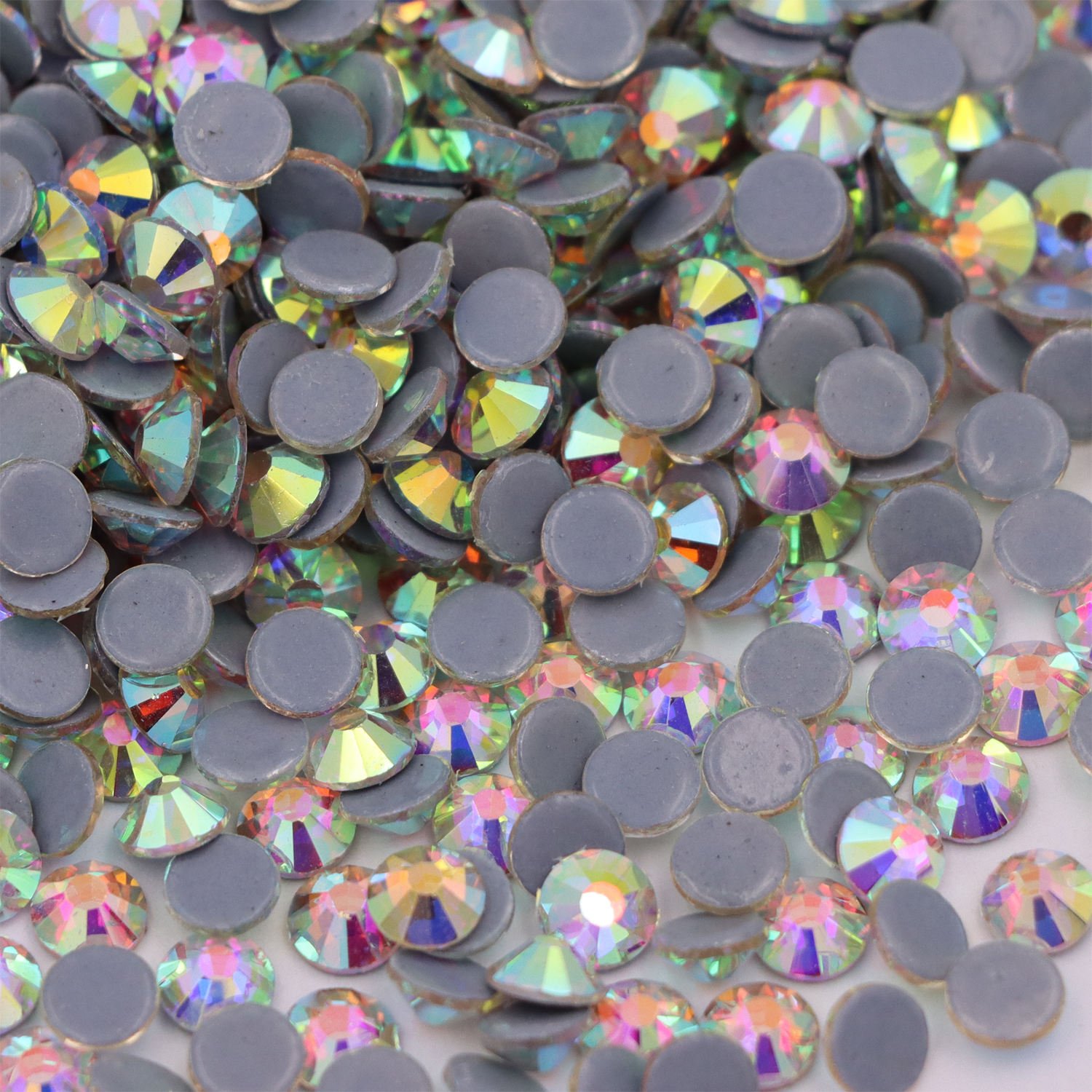
A cheer bow rhinestone template is a printed or cut guide that shows the exact position of every crystal on the surface of a cheer bow, so you can place stones with consistent spacing and a clean outline. It usually marks the bow’s loops, the center knot, and the tails, with dots or holes indicating where each SS10 or SS6 stone belongs. You lay the template under the bow or transfer it onto the fabric, then place stones on top of the marks. The template does the design thinking for you, which is why even experienced decorators use them instead of eyeballing the layout.
The standard stone size for cheer bows is SS10 at 2.8 millimeters, because it fills the loops nicely without making the bow too stiff. SS6 at 2.0 millimeters is used for fine borders and text, and SS16 at 4.0 millimeters appears as a focal point on the center knot or the tip of each tail. A good template will specify which size goes where, so you are not making those decisions stone by stone.
Why do cheer bows need a different template than shirts?
A cheer bow is a three-dimensional object, not a flat panel. The loops curve away from the fabric, the tails hang, and the knot sits raised in the middle. A template has to account for that curvature so the design still looks balanced once the bow is tied and worn in the hair. A flat shirt template will not transfer onto a bow correctly, because the spacing that looks even on a table becomes distorted when the loops bend. That is why cheer bow rhinestone templates are built specifically for the bow shape rather than borrowed from apparel designs.
How do you make cheer bow rhinestone templates?
You make a cheer bow rhinestone template by tracing your bow’s outline onto paper or vinyl, marking the stone positions by hand or with design software, and then cutting holes at each mark if you plan to use a setting machine. For hand placement, a printed template with the dots marked is enough. For production, you cut a Mylar or rubber stencil with a plotter, and the machine brushes stones into the holes. Either way, the template starts from the actual dimensions of your bow, because every bow size and shape is slightly different.
If you are building your own, start with a scan or a tracing of your flattened bow. Mark the outline of each loop and the knot, then lay out your stones on a grid that follows the curve. Software built for rhinestone design automates the grid and lets you set the stone size, spacing, and whether the fill is solid or outline. Once the layout looks right, print it and test it on a practice bow before you commit to a final version.
What makes a good cheer bow template design?
A good template balances sparkle against stiffness. Packing every square millimeter with crystals makes the bow heavy and stiff, which ruins the way it sits in the hair. Leaving too much space makes it look sparse under bright lights. The winning designs concentrate stones along the edges of the loops, add a single bold cluster on the center knot, and run a thin line down each tail. This gives maximum sparkle where the eye lands while keeping the bow flexible enough to hold its shape.
How does a cheer mom use these templates at home?
A cheer mom rhinestone template is built for someone working at a kitchen table with a home iron or a small heat press, not a production studio. These templates tend to be simpler, with larger stones and more open spacing, because they need to be forgiving. The cheer mom places the template under the bow, sets stones with a wax pickup tool, covers the work with a pressing sheet, and presses each section at around 165 degrees Celsius for cotton-based bows or lower for stretch. The template removes the design decisions so the focus stays on placement and pressing.
What mistakes ruin a rhinestoned cheer bow?
The two mistakes that show up most often are pressing too hot and packing the bow too full. A bow pressed at too high a temperature scorches the fabric around the knots and can melt the glue out the sides of the stones, leaving a yellow halo around every crystal. A bow packed solid with stones turns stiff and heavy, and it will not hold its loop shape once it is tied in the hair. The fix for both is restraint. Press at the lowest temperature that still bonds, which for most bows sits around 150 to 165 degrees Celsius, and leave breathing room in the design so the fabric keeps its flexibility.
Another common error is skipping the test press. Every bow fabric, whether it is a glossy polycotton or a soft stretch, behaves a little differently under heat. Pressing two or three stones on the underside of a tail first tells you in thirty seconds whether your temperature is right before you risk the whole bow. That single test saves more ruined competition bows than any other habit.
Where can you get free cheer bow rhinestone templates?
Free cheer bow rhinestone templates are available from a few sources, and they are a sensible starting point before you invest in custom designs. Cheer forums, mom Facebook groups, and craft blogs share printable PDF templates that you can download and use immediately. A cheer bow rhinestone template download from these sources usually includes a basic loop-and-knot layout that works on a standard bow size. The tradeoff is that free templates are generic, and they may not match your exact bow dimensions or your preferred stone size.
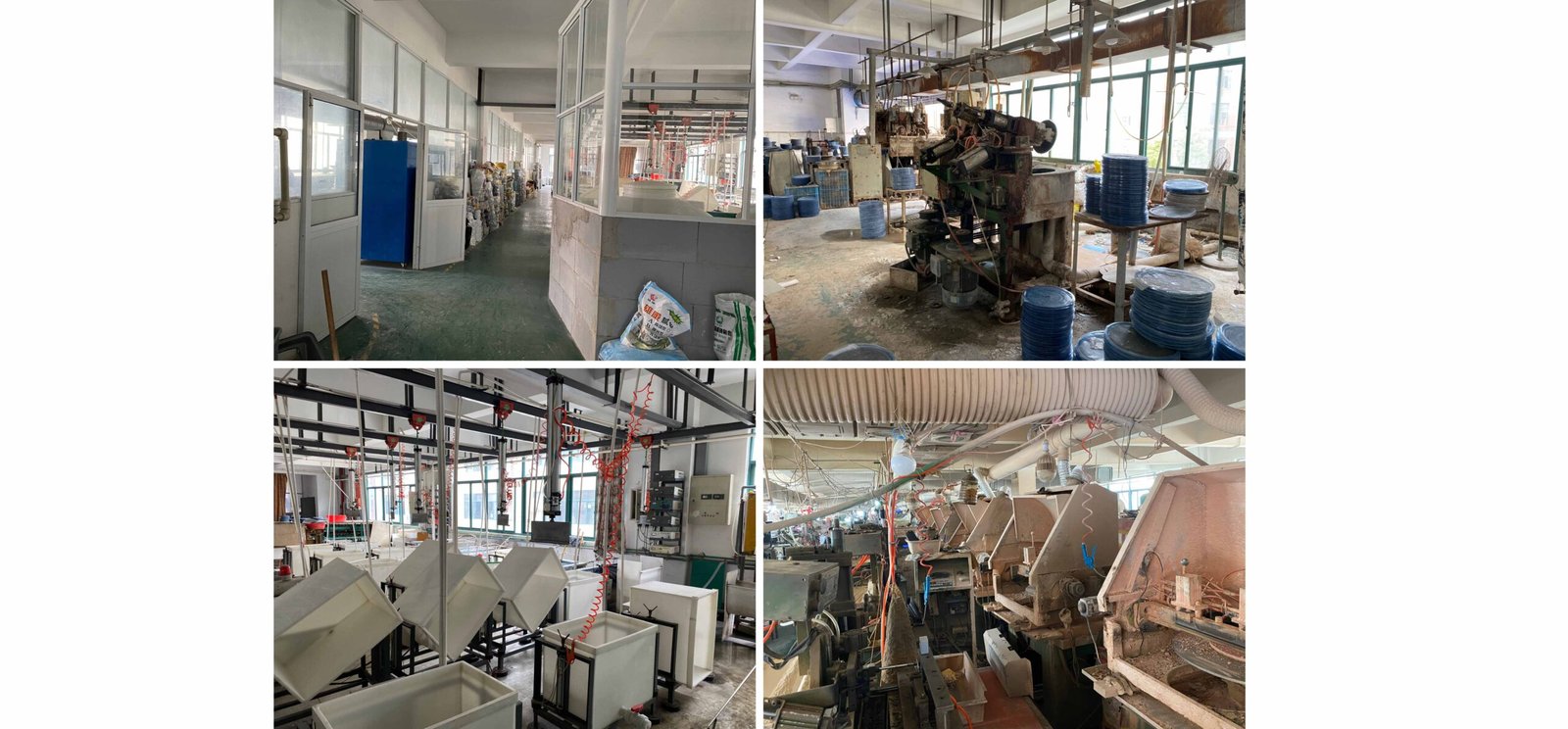
The better long-term route is to start with a free template to learn the technique, then move to a custom template matched to your bow and your brand. Many factories and suppliers that sell the rhinestones will also provide or produce templates, sometimes at no cost with a stone order. That path gives you a template cut to your specific bow and sized for the exact stones you are buying, which removes the guesswork that free downloads leave behind.
What do you check before downloading a template?
Check three things before you download any cheer bow rhinestone template. First, confirm the stone size the template is built for, because a template sized for SS16 will not line up if you are placing SS10. Second, check the bow dimensions and compare them to your own bow, since a template drawn for a six-inch bow will be wrong on a five-inch one. Third, look for whether the template includes a center knot and tail guide or just the loops. A complete template covers all three areas, and a partial one leaves you improvising the rest.
Can you resize a template to fit your bow?
Resizing works for printed templates but has limits. Scaling a template down shrinks the stone spacing, and at some point the SS10 stones you are placing will overlap and pop off during pressing. Scaling up opens the spacing and makes the design look sparse. A small adjustment of five to ten percent is usually safe, but beyond that you are better off rebuilding the template at the correct size. Stone placement is unforgiving of distortion, which is why matched templates are worth more than resized ones.
How do you transfer the template onto the bow?
You have three options for getting the template onto the bow itself. The first is to place the printed template under the bow and press directly through it, which works when the bow fabric is thin enough to see the marks. The second is to use a water-soluble marking pen to dot the stone positions through the template holes, then remove the template before placing stones. The third is to build the design on a sticky carrier sheet first, using the template as the guide, and then press the whole motif onto the bow in one pass. The third method gives the cleanest result on curved surfaces, because you can position and reposition the motif before the glue sets.
The carrier method depends on a sheet of transfer tape that grips the bare glass face of the stones after you peel away the sticky backing. Choose a tape with a medium tack, because a heavy-tack tape refuses to release the stones after pressing and pulls them back off the bow. A light-tack tape lets stones shift while you are carrying the motif to the bow, which defeats the purpose of building on the carrier in the first place. Peel the tape slowly, at a low angle, and only after the motif has cooled completely.
For a bow with tails, keep the design off the very tip of each tail so the fabric can flex. Stones pressed too close to the edge crack when the bow is tied and untied, and the tails are the first place a bow shows wear. A short unstoned margin at the tip preserves the design and the fabric.
What temperature do you press cheer bows at?
The pressing numbers match any hot fix work on the same fabric. A cotton or polycotton bow presses at 165 degrees Celsius, 40 PSI, and 15 seconds. A spandex or stretch bow drops to about 150 degrees Celsius and 12 seconds at 30 PSI. If the bow has a vinyl layer or delicate trim, add a barrier sheet and start at the lower end of the range. The hot fix glue softens between 150 and 170 degrees Celsius, so the press must reach that window without scorching the underlying fabric. Let everything cool before moving the bow, and wait 24 hours before the first wash.
Why use templates instead of freehand placement?
Templates make the result repeatable, which is the whole point when you are making bows for a team or selling them. Freehand placement works once, on one bow, while you are looking at it closely. The next bow comes out different, and the customer notices when a matched set does not actually match. A template locks in the spacing, the size mix, and the outline so every bow in the order comes out the same. That consistency is what lets a cheer mom turn a hobby into a small business and lets a gym trust a supplier with a full squad order.
We manufacture K9 optical glass hot fix rhinestones at the source and supply the stones used in cheer bow work, from SS6 through SS16, with the low minimum and fast turnaround that custom decorators need. If you are building cheer bow rhinestone templates and want stones that hold their sparkle and their bond through a full competition season, we can send a free sample pack to your studio. Message us on WhatsApp at +86 13692450325 or email rhinestonewholesale8@gmail.com for samples and a quote.
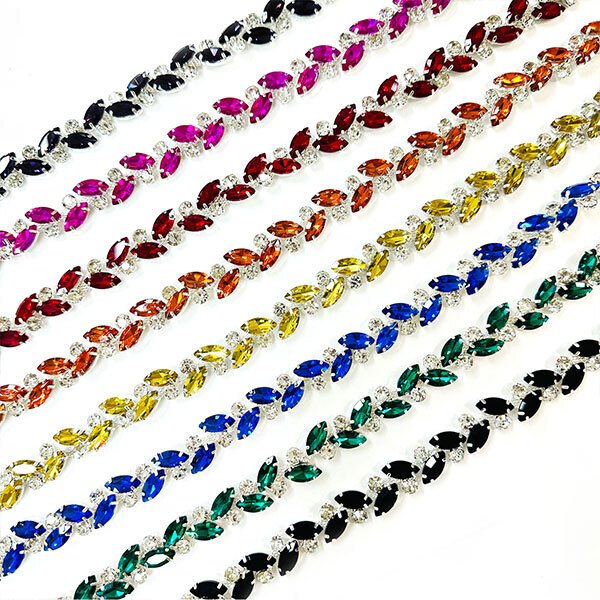
For cheer uniforms and performance wear, read why orange hotfix rhinestones stand out on cheerleading uniforms.
Need a size or color recommendation for your next order? Send us your fabric type, design, and target price — we reply within one business day. WhatsApp +86 13692450325 · rhinestonewholesale8@gmail.com