
How to Make Rhinestone Baby Clothes DIY That Survive the Wash
A DIY rhinestone onesie costs about $6 in materials and takes under an hour, but most first attempts fall apart in the wash because the stones were set at the wrong temperature or on the wrong fabric. The fix is not more glue. It is heat-set stones, correct press settings for the fabric you are using, and a little patience with the layout. This guide walks through the tools, the settings, the safety rules, and the designs so your handmade piece survives a full season of baby wear instead of one photo shoot.
How Do You Put Rhinestones on Baby Clothes at Home?
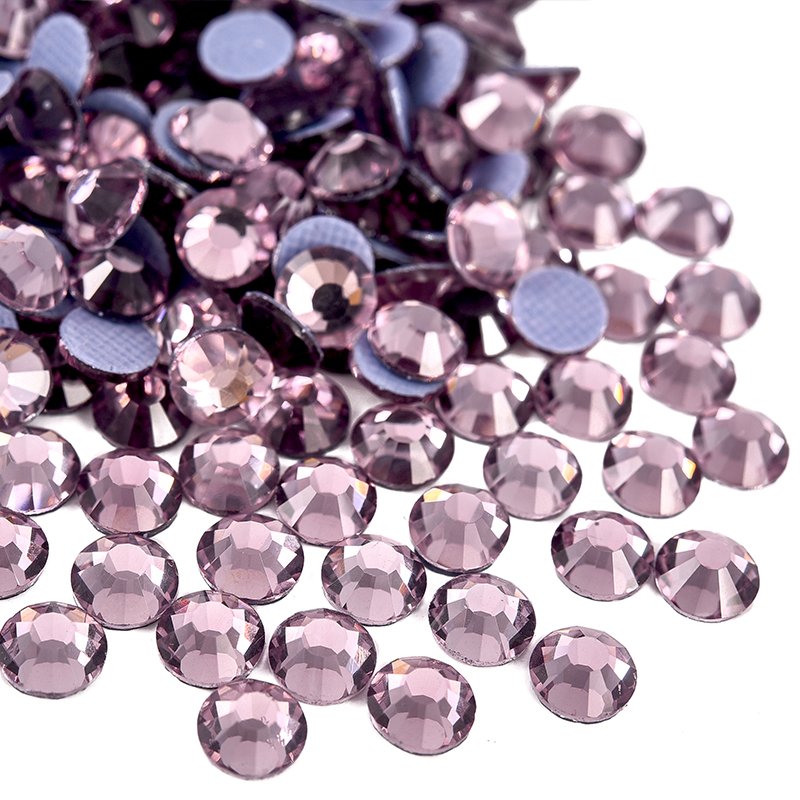
You put rhinestones on baby clothes by heat-setting them with a hotfix applicator or an iron. Each hotfix stone already carries a heat-activated glue on its flat back, so there is no separate glue to apply. You place the stone glue-side down onto the fabric, cover it with a pressing cloth, and apply heat and pressure for the right number of seconds. The heat melts the glue, the pressure seats the stone, and it locks in as it cools.
The two things beginners get wrong are temperature and pressure. Too little heat and the glue never fully melts, so the stone pops off in the first wash. Too much heat and you scorch the fabric or melt the stone. The safe starting point for cotton is 165°C with firm, even pressure for about 15 seconds per section. For stretchier fabric, drop the temperature to around 150°C and keep the pressure lighter so you do not warp the knit.
Work in a sensible order to avoid shifting stones. Lay the garment flat on a firm, heat-safe surface, mark your design, and place only the stones you can press in the next few minutes. Press a section, let it cool for a few seconds, then move to the next cluster. Trying to place the entire design at once invites bumped stones and a crooked name. Small batches, pressed one cluster at a time, are what separate a clean finished piece from a wobbly one.
What Tools Do You Need for Rhinestone Baby Clothes DIY?
You need hotfix rhinestones, a hotfix applicator wand or an iron, a pressing cloth, tweezers, and a template or design to follow. The applicator wand is the better tool for baby clothes because it has a small tip that heats one stone at a time, which gives you control on curved lettering and small designs. A household iron works for larger, simpler layouts but is harder to keep precise on tiny stones.
A few extras make the job cleaner. Silicone-tipped tweezers let you place stones without them sticking to your fingers. A pressing cloth, either Teflon or a thin cotton sheet, protects the stones from direct heat and stops glue from transferring to your iron. And a template, either printed or drawn on water-soluble fabric pen, keeps your letters straight. None of these tools are expensive, and the template is the one that most improves the final look.
Can You Use a Regular Iron for Rhinestones on Baby Clothes?
You can, with limits. A regular iron heats a broad area at once, which works for a simple name or a scattered design but makes detailed work harder because you cannot press one stone without heating its neighbors. The trick is to use a dry iron with no steam, set it to the cotton or wool setting, and press through a cloth for the full time so the glue melts evenly.
The bigger risk with a household iron is inconsistent temperature. Irons cycle on and off, so the plate temperature drifts, and a drifted iron either under-sets or scorches. If you plan to make more than one or two pieces, a hotfix applicator wand pays for itself quickly because it holds a steady temperature. For a one-off project, an iron is fine as long as you test the heat on a scrap of the same fabric first and check that the first stone is locked before continuing.
Also press from the back or through a pressing cloth, never directly on the stone with a bare iron plate. Direct contact can flatten the facets or melt the foil backing, which is what causes that dull, gray look on cheap finished pieces. A Teflon sheet or thin cotton cloth between the iron and the stones protects both the sparkle and the glue. And skip the steam button entirely, because moisture during pressing weakens the bond before it ever gets a chance to cure.
What Fabric Is Best for DIY Rhinestone Baby Clothes?
Cotton is the best fabric for rhinestone baby clothes DIY because it takes heat well and holds stones securely. The standard setting for cotton is 165°C with 40 PSI of pressure held for 15 seconds, which melts the gray glue fully without damaging the fibers. Cotton also does not stretch during pressing, so your design stays where you put it and does not distort.
Spandex and stretch knits need a lighter touch: 150°C with about 30 PSI for 12 seconds, because the fibers are sensitive to heat and the stretch can pull stones loose. Silk and other delicate fabrics drop further to 140°C for 10 seconds with a layer of parchment or Teflon paper between the iron and the stones. Match the setting to the fabric, not the stone, because it is almost always the fabric that fails first on a DIY project.

How Do You Keep Rhinestones from Falling Off Homemade Baby Clothes?
The stones stay on when you match three things: stone quality, temperature, and pressure. Start with K9 glass stones backed with gray glue, which activates at 150–170°C and holds through washing. Cheap stones with yellow glue soften below 130°C and shed fast, which is the main reason homemade pieces lose stones. No amount of careful pressing fixes a weak glue.
Then press correctly and test before you commit. Set one stone, let it cool, and try to flick it off with a fingernail. If it moves, your temperature or pressure is off, and you want to find that out on one stone rather than fifty. After the piece is done, wait a full 24 hours before the first wash so the glue fully cures, then wash inside out on cold. Gray glue properly cured will keep K9 stones at a loss rate under 2% over 50 standard wash cycles, which is what “survives the wash” actually means.
Are DIY Rhinestone Baby Clothes Safe for Babies?
They are safe when you use lead-free stones and place them out of a baby’s reach. The lead risk is the same as with store-bought pieces: cheap stones can carry lead in the coating or foil backing, and that is a real hazard for an infant who mouths everything. Buy stones labeled lead-free at under 1 ppm, which clears the OEKO-TEX infant limit of 30 ppm and the US CPSIA children’s limit of 100 ppm with room to spare.
Placement is the second half of the safety question. Put the design on the chest or upper back, never near the neckline, wrists, or cuffs where a baby can get it into her mouth. Keep the design small enough that the stones sit flat and do not create a thick ridge under the fabric. A smooth, well-set design with no glue seepage feels soft from the inside, which is the real test of a safe DIY piece.
Turn the garment inside out after pressing and run your hand over the back of the design. You should feel almost nothing, just a slight firmness where the glue has bonded. If you feel hard edges or sharp points, the stones were over-pressed or the glue seeped through, and that roughness is what can irritate a baby’s skin. Catch it before the first wear and you have still built something safe, comfortable, and worth keeping.
What Designs Work Best for a Baby Set with Rhinestones?
A baby set with rhinestones usually means a matching onesie and headband or a onesie and bib, and the design that works best is a single centered motif with a name or initials. Crowns, hearts, butterflies, and stars are the classic choices for girls, while stars, dinosaurs, and simple initials suit boys. The key is restraint: one clean focal point reads far better on a tiny garment than a busy scatter of stones.
For rhinestone baby clothes bling that looks intentional, keep the stone sizes consistent. SS10 stones at 2.8mm and SS16 stones at 4.0mm are the workhorses for lettering and motifs, while SS6 at 2.0mm works for fine outlines and accents. A name in a flowing script typically uses 100 to 250 stones, and a fuller design with a motif and scattered accents can run past 400. For a newborn, a name alone with a few accent stones is the sweet spot between sparkle and comfort.
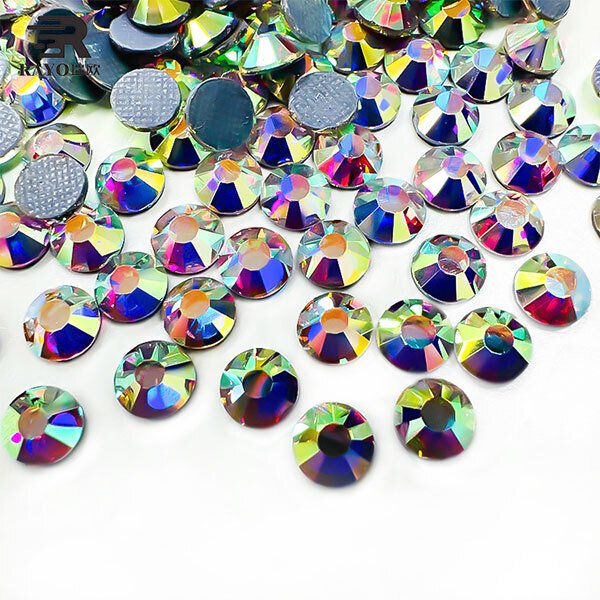
Color is where the DIY advantage shows. Store-bought pieces usually come in pink or clear, but when you make your own you can mix amethyst, AB, rose, and silver stones to match a party theme or a nursery palette exactly. AB-coated stones add that blue-pink flash and read brighter on camera, while clear stones look crisp and classic. For a baby set with rhinestone accents across a onesie and headband, using the same stone color on both pieces ties the set together far better than mixing finishes.
How Many Rhinestones Do You Need for a Baby Onesie?
A single name in script takes roughly 100 to 250 stones depending on the length of the name and the stone size, and a design with a name plus a small motif runs 300 to 500. To estimate, plan your layout on the template first and count the positions, then add about 10% for extras. Losing a few stones during pressing is normal, and having spares means you can fix a dropped stone immediately instead of waiting for a reorder.
If you are covering a larger area, the math scales predictably. A fully covered square foot takes about 576 SS16 stones, but a baby onesie never needs that kind of density. Most designs use a fraction of that, so a couple of packs of SS10 and SS16 stones will cover several projects. Buy stones by the pack rather than the loose handful, because having a consistent size and color across a project matters more than you would think when the light hits the finished piece.
Sort your stones before you start, especially if you are mixing sizes. A tiny pile with two or three sizes in it looks fine until you press them, and then the finished lettering shows mismatched stones that catch the light unevenly. Pour a small amount into a shallow dish and pick with tweezers, checking each stone is the size and color you want. The extra minute of sorting is cheaper than picking a wrongly set stone off the fabric and patching the mark it leaves behind.
If you make rhinestone baby clothes to sell or just want reliable stones for repeated projects, sourcing from a manufacturer beats buying small packs at retail. Guangzhou Yiben E-Commerce Co., Ltd. has made K9 optical glass hotfix stones for 12 years and ships worldwide from its factory, with a minimum order of two packs per color and size. Our stones are lead-free at under 1 ppm, machine-cut to 12 to 14 facets, and backed with German-imported gray glue that holds through washing. Message us on WhatsApp at +86 13692450325 or email rhinestonewholesale8@gmail.com for samples and a quote, and we will reply within 12 hours.
Need a size or color recommendation for your next order? Send us your fabric type, design, and target price — we reply within one business day. WhatsApp +86 13692450325 · rhinestonewholesale8@gmail.com