
How to Make a Rhinestone Transfer That Presses Cleanly Onto Fabric
A rhinestone transfer is a sheet of crystals arranged into a design and held together by a clear carrier film, so you can press an entire motif onto a garment in one pass instead of placing stones one at a time. Making one yourself gives you full control over the size, the colors, and the exact shape, which is why small decorators and bridal shops build their own transfers rather than buying pre-made sheets. The method is the same whether you are making a single bride rhinestone heat transfer for a veil or producing batches of logo transfers for a cheer squad. Once you learn the sequence, the only real variables are the machine you press with and the template you work from.
How do you make a rhinestone transfer step by step?
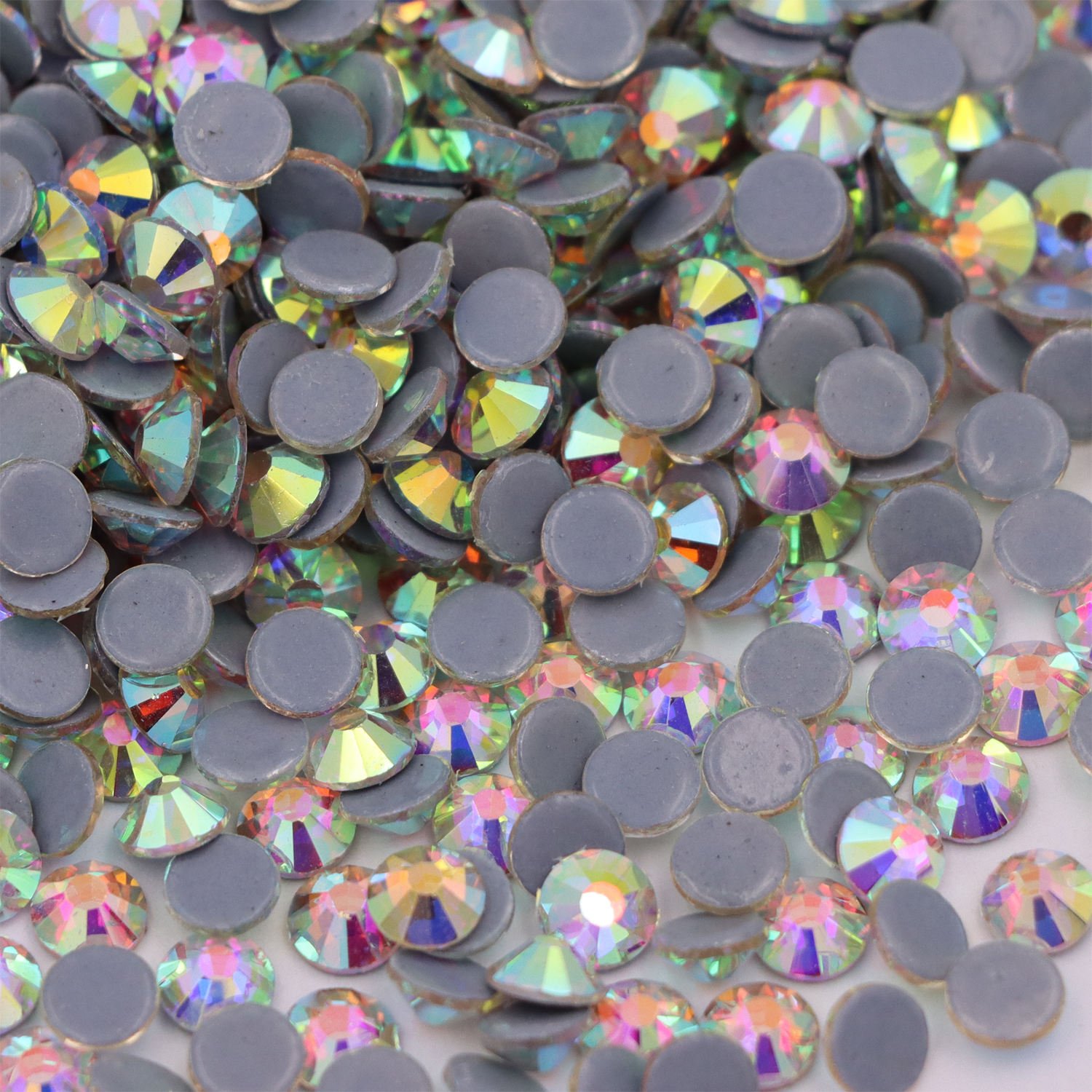
You build the design face-down on a sticky carrier sheet, apply hot fix stones with the glue side facing up, then cover the back with a heat-resistant transfer tape and press it onto the garment. The sequence runs in six steps. First, print or draw your template and place it under a sheet of sticky backing paper, with the design reversed if it includes text. Second, pick up each hot fix stone with a wax-tipped tool and place it glue-side up on the sticky sheet, following the template. Third, once the design is complete, lay a sheet of transfer tape over the top of the stones and burnish it down so every stone is captured. Fourth, peel the sticky backing away so the stones stay attached to the transfer tape. Fifth, position the tape on your garment with the stones now facing down toward the fabric. Sixth, press with heat and pressure, let everything cool, and peel the tape away slowly.
The glue side faces up while you build, because the tape has to grab the bare glass face. If you place the stones glue-side down on the sticky sheet, the tape will not hold them and the whole design falls apart when you lift it. This one detail trips up most beginners on their first attempt.
What temperature and pressure do you press the transfer with?
The numbers depend on the fabric, but cotton is the standard reference point at 165 degrees Celsius, 40 PSI, and 15 seconds. Spandex drops to about 150 degrees Celsius and 12 seconds at 30 PSI. Silk needs a protective sheet and a gentler 140 degrees Celsius for 10 seconds. The hot fix glue on each stone softens between 150 and 170 degrees Celsius, so anything below that range simply will not bond. Let the transfer cool completely before peeling the tape. Warm stones lift off the fabric and stick to the tape, which ruins the design you just pressed.
How do you avoid stones shifting while you build?
Work on a flat, hard surface with good light, and place the template under the sticky sheet rather than on top of it. A wax pickup tool gives you precise control over each stone, especially the small SS10 stones that measure only 2.8 millimeters across. Build from the center of the design outward so you do not knock finished stones out of place while reaching across. For large or production work, a rhinestone machine for clothing does this placement automatically and removes human error entirely, which matters when you are making dozens of identical transfers.
What machine do you need to make rhinestone transfers?
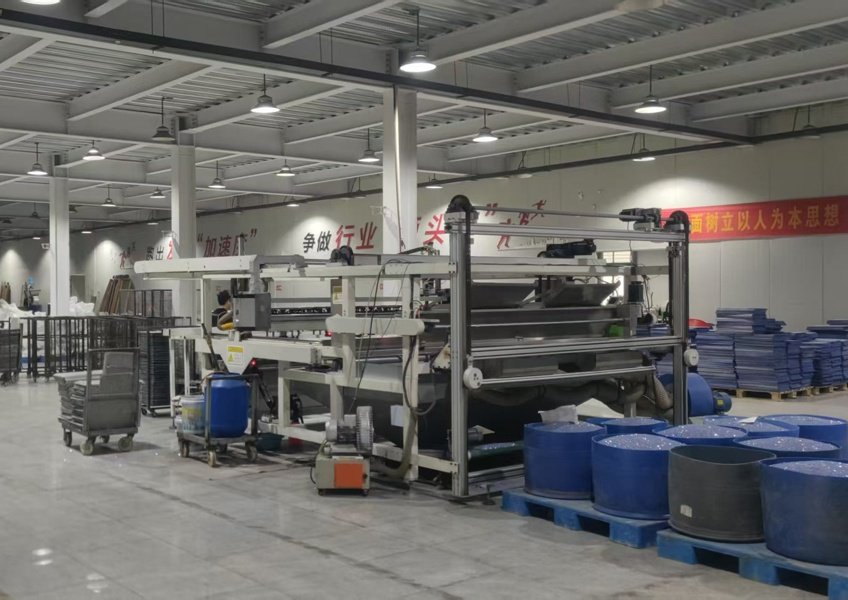
You need two pieces of equipment, and only one of them is a machine you press with. The first is a heat press, which applies the exact temperature, pressure, and time that hot fix glue requires. A home iron can work in a pinch, but a heat press gives you the 40 PSI and the even heat distribution that a hand iron cannot hold steady. The second is a rhinestone setting machine if you want to automate placement. Manual templates are fine for one-off bridal work, but a dedicated rhinestone machine for clothing uses a hopper and a brush to drop stones into a template at hundreds per minute, which is the only practical way to produce transfers at scale.
For most home and small-shop decorators, a mid-range clamshell heat press with a 38-by-38 centimeter platen is the right starting point. It handles single designs and lets you upgrade to a swing-away press later if you need more workspace. The rhinestone setting machine is a bigger investment and only makes sense once your order volume justifies it, typically when you are filling repeat orders for teams or retail.
Can you make rhinestone transfers without a machine at all?
Yes. A hand iron, a wax pickup tool, and a printed template are enough to produce a single transfer. The tradeoff is consistency and speed. A hand iron cannot deliver repeatable pressure, so the bond varies across the design, and hand-placing a hundred SS10 stones takes considerably longer than a machine. Start by hand, prove the demand for your transfers, and add equipment as orders grow. Every commercial rhinestone decorator began exactly this way.
What software do you use to create rhinestone templates?
You use vector design software to turn artwork into a rhinestone template that maps out where each stone goes. Apparel decorating software for rhinestone automates the hardest part, which is converting a logo or a name into a grid of correctly sized and spaced holes. Programs built specifically for rhinestone work let you import a design, set the stone size, and generate a template file that tells a setting machine where to drop every stone. For hand work, you can print that template and build on top of it.
Free and paid options both exist. Simple designs with block text can be built in any vector editor by laying out circles on the SS10 grid. Complex logos and curved script need the dedicated software, because it calculates stone spacing, handles outlines versus fills, and prevents overlapping stones that would pop off during pressing. If you plan to sell transfers, investing in proper apparel decorating software for rhinestone pays for itself the first time it saves you from rebuilding a template that did not line up.
What file format does a rhinestone template use?
Most rhinestone templates are vector files, and the common production format is a plotter-cut template made from a thin rubber or Mylar sheet with a hole at each stone position. The setting machine brushes stones over the template, and each stone drops glue-side down into a hole. The template file carries the coordinates of every hole, which is why accurate software matters. A template with misplaced holes produces a transfer with gaps and crooked lines, no matter how carefully you press it.
What makes a good bride rhinestone heat transfer?
A bride rhinestone heat transfer needs to read as delicate rather than heavy, which means smaller stones and open spacing. SS6 at 2.0 millimeters and SS10 at 2.8 millimeters are the sizes used on veils, bodices, and sleeve edges, because anything larger looks costume-like against white satin and lace. The design itself is usually a scatter, a vine, or a monogram rather than a solid fill. Heat transfer vinyl bride work often combines rhinestones with a thin vinyl layer as a base for lettering or a monogram, which gives the stones a crisp anchor and helps the transfer survive being pressed onto delicate fabric.
Bridal fabric runs fragile, so press at the lower end of the glue’s range and always use a barrier sheet. Silk and organza scorch easily, and a ruined veil cannot be hidden. Test the transfer on a scrap of the actual bridal fabric first, and press for the minimum time that achieves a bond. The glue on a properly pressed K9 stone holds through the entire wedding day and beyond, but only if the fabric underneath was not damaged during pressing.
How do you layer rhinestones with heat transfer vinyl?
The rhinestones go on top of the vinyl in most designs, so you press the vinyl base first, let it cool, then press the rhinestone transfer over it. This order matters because the vinyl needs one temperature and the stone glue needs another. Pressing both at once risks under-curing the vinyl or over-melting the stones. A heat transfer vinyl bride monogram pressed first, followed by a rhinestone accent pressed second, produces a layered look that stays flat and survives washing when both materials are cured in the correct sequence.
How do you make the transfer hold through washing?
The bond survives washing when three conditions are met. The stones are K9 optical glass with a quality hot fix glue, the press reached the correct temperature for the full time, and the fabric was clean and free of fabric softener before pressing. Factory wash testing under ISO 6330:2021 at 40 degrees Celsius shows K9 with German gray glue loses under 2 percent of stones after 50 machine cycles. Cheap acrylic stones with low-grade yellow glue lose over 30 percent after five washes, which is why the stone itself matters as much as your technique.
After pressing, wait 24 hours before the first wash so the glue fully cures. Turn the garment inside out, use cold or warm water rather than hot, and skip the dryer’s highest setting. These habits extend the life of a transfer far more than pressing harder or longer ever could.
Why make your own transfers instead of buying them?
Making your own transfers gives you the exact size, shape, and stone quality you want, and it removes the markup that comes with pre-made sheets. When you buy loose hot fix rhinestones from a manufacturer and build transfers yourself, you control the sparkle by choosing K9 glass over acrylic and by picking the exact color and size mix. That control is why bridal shops, cheer gyms, and small apparel brands all move toward in-house transfers as soon as their volume justifies the equipment.
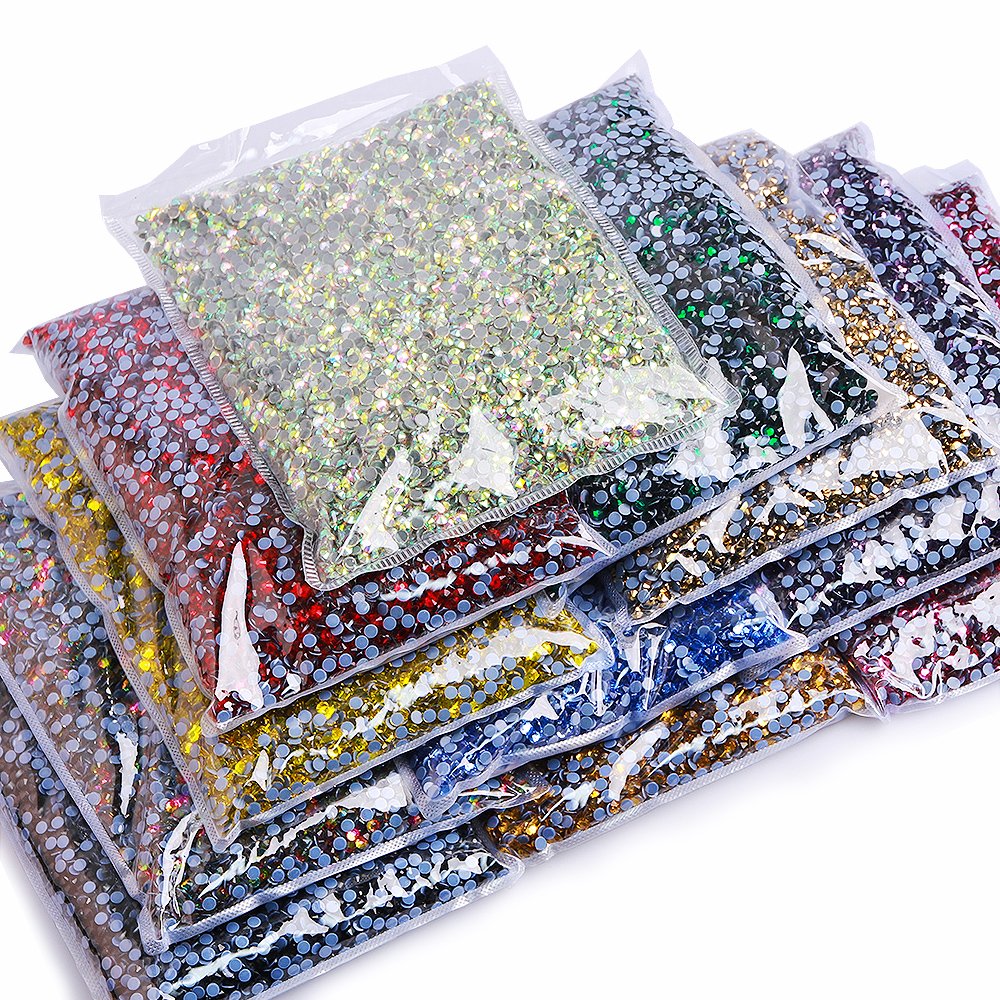
We cut K9 optical glass hot fix rhinestones at the source and supply the loose stones, the templates, and the bulk wholesale quantities you need to build transfers at any scale. Stones ship in every size from SS6 to SS30, with a low minimum of two bags per color per size so you can prototype before scaling. If you want to test our stones on your own transfer designs, request a free sample and we will send a pack to your studio. Message us on WhatsApp at +86 13692450325 or email rhinestonewholesale8@gmail.com for samples and a quote.
Need a size or color recommendation for your next order? Send us your fabric type, design, and target price — we reply within one business day. WhatsApp +86 13692450325 · rhinestonewholesale8@gmail.com