
Wholesale Garment Accessories and Rhinestones for South African Manufacturers
The Evolution of South African Fashion Manufacturing: A New Era of Customization
The South African apparel industry is currently undergoing a significant transformation. From the historic textile mills in the Western Cape to the bustling manufacturing hubs in Gauteng, local producers are increasingly looking for ways to differentiate their products in a highly competitive global market. For manufacturers in Cape Town and Johannesburg, the key to success in the modern era lies in high-value customization. This is where wholesale garment accessories, specifically hotfix rhinestones, play a pivotal role.
As a leading hotfix rhinestone manufacturer based in Guangzhou, China, we have seen a surge in demand from South African brands. These brands are no longer content with basic designs; they are seeking the “bling” factor that defines contemporary streetwear and high-end evening wear. However, navigating the world of wholesale garment accessories—from quality control to international logistics—requires a deep understanding of both the product and the supply chain. This guide is designed to help South African apparel manufacturers master the art of importing and applying high-quality rhinestones to elevate their local brands.
The South African Apparel Ecosystem: Cape Town and Johannesburg
South Africa’s fashion industry is unique, split primarily between two major metropolitan areas, each with its own distinct character. Understanding these markets is essential for any manufacturer looking to integrate wholesale accessories into their production line.
Cape Town: The Design and Creative Hub
Cape Town has long been the heart of South Africa’s clothing and textile industry. With a rich history of garment manufacturing, the city is home to some of the country’s most innovative designers and large-scale retailers. Manufacturers here often focus on high-quality basics, outdoor wear, and increasingly, luxury fashion. For Cape Town manufacturers, the use of rhinestones is often about subtle elegance—adding a touch of sparkle to a premium linen shirt or a designer evening gown. The focus is on quality and durability, as the coastal lifestyle demands garments that can withstand both the salt air and the high standards of the local boutique market.
Johannesburg: The Pulse of Streetwear and Mass Production
Johannesburg, and specifically the manufacturing zones in Gauteng, is where the volume happens. Joburg is the center of South Africa’s vibrant streetwear scene, influenced by the energy of Braamfontein and Maboneng. Here, “more is more.” Streetwear brands in Joburg use rhinestones to create bold, iconic logos and graphics that stand out in the urban landscape. The manufacturing speed in Johannesburg is fast, and the need for reliable, high-volume wholesale garment accessories is paramount. Whether it’s for local music stars’ merchandise or fast-fashion retail chains, the demand for bulk hotfix stones is relentless.
Why Hotfix Rhinestones are the Ultimate Value-Add
In a market flooded with cheap imports, South African manufacturers must find ways to add perceived value to their garments. Hotfix rhinestones offer one of the highest returns on investment in terms of aesthetic impact versus cost. By adding a few cents worth of high-quality glass stones, a manufacturer can increase the retail price of a garment by several hundred Rands.
The “hotfix” technology is particularly beneficial for wholesale production. These stones come pre-coated with a heat-sensitive glue. When passed through a heat press—a staple piece of equipment in any SA garment factory—the glue melts and creates a permanent bond with the fabric. This process is significantly faster and more durable than manual gluing or sewing, making it ideal for the scale required by Johannesburg and Cape Town factories.
Quality Matters: Avoiding the Pitfalls of Cheap Resin Stones
One of the biggest mistakes South African manufacturers make is opting for the cheapest possible accessories to save on production costs. In the world of rhinestones, you truly get what you pay for. For the South African market, the choice of material is not just an aesthetic one—it’s a functional one.
The Problem with Resin and Acrylic in the SA Sun
South Africa is famous for its intense sunlight. From the Karoo to the coast, the UV levels are exceptionally high. Cheap resin or acrylic stones are essentially plastic. When exposed to the South African sun, these stones undergo a process of photo-degradation. Within weeks of regular wear, resin stones will begin to yellow, lose their shine, and eventually become brittle and fall off. For a manufacturer in Cape Town trying to build a reputable brand, using resin stones is a recipe for high return rates and a damaged reputation.
Common signs of poor-quality resin stones:
- Yellowing: Clear stones turn into a murky yellow hue after minimal sun exposure.
- Loss of Shine: The facets become dull as the plastic surface degrades.
- Fragility: The stones become brittle and crack, leading to loss of attachment.
- Adhesion Failure: Cheap resin stones often come with low-grade glue that peels off when the stone expands in the heat.
The Superiority of Glass and DMC Hotfix Stones
At our Guangzhou facility, we emphasize the use of high-index glass and DMC (Diamante Machine Cut) stones for our South African clients. Glass stones do not fade. They are chemically stable and maintain their brilliance regardless of UV exposure. Furthermore, machine-cut facets provide a level of light refraction that plastic simply cannot mimic. When a consumer in a Sandton mall sees a garment sparkling under the lights, they can instantly tell the difference between high-quality glass and cheap plastic. For B2B manufacturers, investing in AAA-grade glass stones ensures that the “sparkle” lasts as long as the garment itself.
Customizing Streetwear: The South African Aesthetic
South African streetwear is currently having a global moment. Brands are blending traditional African motifs with modern urban silhouettes. Rhinestones have become a key tool in this creative arsenal. Unlike traditional embroidery, which can be heavy and stiff, or screen printing, which can crack, rhinestone transfers offer a multidimensional look that moves with the fabric.
Bold Logos and Branding
In Johannesburg, branding is everything. Large, oversized rhinestone logos on hoodies, tracksuits, and caps are a staple of the local “drip” culture. Manufacturers are moving away from simple prints to “iced out” designs. By using different sizes of stones (SS6, SS10, SS16, and SS20), factories can create intricate gradients and textures that give the brand a premium feel.
Niche Markets: Dancewear and Religious Attire
Beyond streetwear, South Africa has a massive market for specialized garments. The local ballroom and Latin dance communities, as well as the vibrant religious sectors, require highly decorative attire. Manufacturers catering to these niches in Durban and Joburg rely on wholesale hotfix rhinestones to create the elaborate patterns required for competition outfits and ceremonial robes. In these sectors, the “AB” (Aurora Borealis) coating is particularly popular, as it reflects a rainbow of colors that change with the wearer’s movement.
Importing from China to South Africa: A Step-by-Step Guide
For many South African manufacturers, the prospect of importing directly from a manufacturer in Guangzhou can seem daunting. However, once the logistics are understood, it becomes a streamlined part of the production cycle.
Shipping to Durban: The Gateway to Gauteng
Durban is the busiest port in sub-Saharan Africa and the primary entry point for goods destined for Johannesburg. For bulk orders of garment accessories, sea freight to Durban is the most cost-effective method. Once the container clears customs in Durban, it is typically transported via rail or road along the N3 corridor to the warehouses in City Deep or Midrand. Manufacturers should factor in a lead time of approximately 30 to 45 days for sea freight, including port handling and customs clearance.
Shipping to Cape Town: The Direct Route
For manufacturers based in the Western Cape, shipping directly to the Port of Cape Town is often more efficient than routing through Durban. While the frequency of vessels might be slightly lower than the Durban route, it avoids the additional cost and risk of long-haul road transport from KwaZulu-Natal. Direct shipping to Cape Town is ideal for large seasonal orders where the timeline is planned well in advance.
Air Freight: The “Just-in-Time” Solution
In the fast-paced world of fashion, sometimes you cannot wait 40 days. For smaller, high-value shipments of specialized stones or urgent sample runs, air freight is the preferred option. Shipments from Guangzhou can reach OR Tambo International (Joburg) or Cape Town International within 5 to 7 working days. While more expensive per kilogram, the ability to respond to a sudden market trend can far outweigh the shipping costs.
Your South African Importing Checklist
To ensure a smooth transition from our factory in Guangzhou to your warehouse in Cape Town or Joburg, follow this essential checklist:
- Register as an Importer: Ensure your business is registered with SARS to obtain an import code.
- Verify HS Codes: Use the correct Harmonized System code to avoid duty disputes.
- Request Material Safety Data Sheets (MSDS): Especially important for adhesives and lead-free certifications.
- Calculate Landed Cost: Always include VAT (15%), Customs Duty, and freight before finalizing garment pricing.
- Samples First: Never place a bulk order without testing samples on your actual production fabrics.
Navigating Customs and Duties in South Africa
South Africa has specific regulations regarding the import of textiles and clothing accessories. It is vital for manufacturers to work with a registered clearing agent who understands the SARS (South African Revenue Service) requirements. Garment accessories like rhinestones are typically classified under specific HS Codes (Harmonized System). Ensuring your Guangzhou supplier provides accurate Proforma Invoices and Packing Lists is the first step in avoiding delays at the border.
Manufacturers should also be aware of the “Ad Valorem” excise duties and VAT. When calculating your wholesale price per stone, always include the landed cost—price of the goods + shipping + insurance + customs duties + VAT. This gives you the true cost of the accessory and allows for accurate garment pricing.
Wholesale Pricing Strategies for SA Manufacturers
In the B2B sector, pricing is a game of volume. As a manufacturer, we offer tiered pricing based on the quantity ordered. For South African factories, balancing MOQ (Minimum Order Quantity) with cash flow is key.
The Power of Bulk Buying
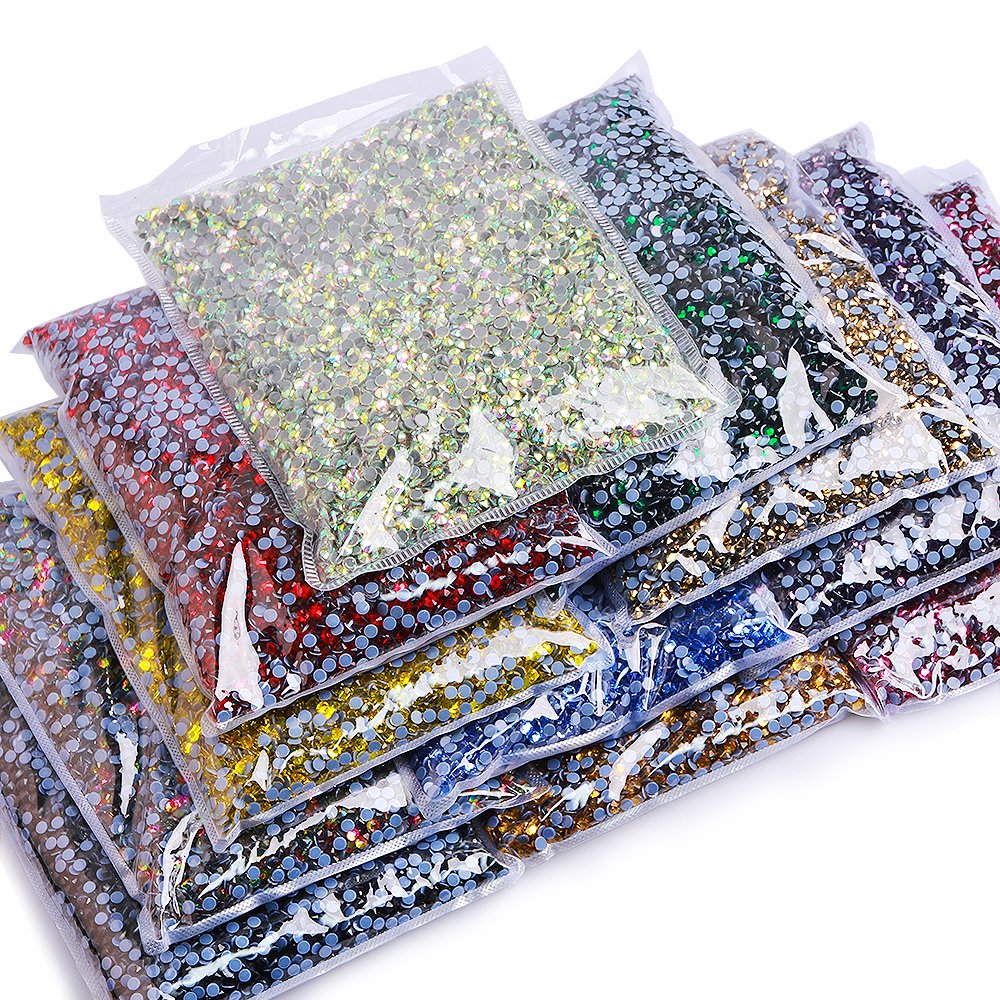
Buying rhinestones by the “Gross” (144 stones) or “Big Gross” (1,728 stones) is standard. However, for large-scale production, buying by the “bag” (usually 10,000 to 50,000 stones depending on size) offers the best price point. By consolidating your needs for a full season into one large order, you can reduce the per-unit cost significantly and minimize the impact of international shipping fees.
Sampling and Prototyping
Before committing to a bulk order, we always recommend a sampling phase. We provide sample cards and small quantities of different stone types to our SA clients. This allows the designers in Cape Town or the production managers in Joburg to test the stones on their specific fabrics. Testing for wash-fastness and glue adhesion is critical before moving to mass production.
Application Techniques: Best Practices for South African Factories
The quality of the stone is only half the battle; the application is the other half. South African factories use a variety of fabrics, from heavy local cottons to imported synthetic blends. Each requires a different approach to hotfix application.
Temperature and Pressure Settings
For standard cotton t-shirts, a temperature of 160°C to 170°C for 10 to 15 seconds is usually sufficient. However, for delicate synthetics or heavy denim, these settings must be adjusted. We provide our B2B clients with detailed technical sheets specifying the optimal melting point of our Italian-sourced hotfix glue. Overheating can damage the fabric, while underheating will lead to stones falling off after the first wash.
The Importance of a Quality Heat Press
Many smaller workshops in South Africa attempt to use hand irons for rhinestone application. For professional manufacturing, this is not viable. A pneumatic or high-pressure manual heat press ensures even heat distribution and consistent pressure across the entire design. This consistency is what separates a professional garment from a “DIY” project.
Sustainability and Ethics: Meeting Global Standards
The South African consumer is becoming increasingly conscious of sustainability. Furthermore, for SA manufacturers looking to export their garments to the EU or the US (taking advantage of agreements like AGOA), meeting safety standards is mandatory. Our hotfix rhinestones are lead-free and nickel-free, complying with international REACH and CPSIA regulations. This allows South African brands to market their products as safe and ethically sourced, a major selling point in the high-end market.
Guangzhou: The Heart of the Rhinestone World
Why source from Guangzhou? As the epicenter of the world’s garment and accessory trade, Guangzhou offers unparalleled variety and technological innovation. Our factory stays at the forefront of rhinestone technology, from developing stronger adhesives to creating new, trend-setting colors. For South African manufacturers, partnering directly with a Guangzhou factory means cutting out the middleman, ensuring consistent quality, and having access to the latest global fashion trends before they hit the local market.
Conclusion: Building a Sparkling Future for SA Fashion
The opportunity for South African apparel manufacturers is immense. By leveraging high-quality wholesale garment accessories from China, brands in Cape Town and Johannesburg can create world-class garments that compete on both quality and style. The key is to prioritize glass over resin, understand the logistics of the Durban and Cape Town ports, and master the technical aspects of hotfix application.
As the South African fashion landscape continues to evolve, those who invest in customization and quality will be the ones who lead the market. Whether you are producing streetwear for the streets of Braamfontein or couture for a Cape Town gala, the right sparkle can make all the difference. Start your journey into the world of wholesale hotfix rhinestones today and see your brand transformed.
Get a free sample pack and factory pricing – WhatsApp us at +86 13692450325 or request a quote to check stock, bulk pricing, and lead time for your order.
Related reading: