
Wholesale Hotfix Rhinestones in Australia – A Checklist for Sydney & Melbourne Buyers
The Australian fashion industry, particularly the high-performance sectors of activewear in Sydney and competitive dancewear in Melbourne, has seen a significant surge in the demand for premium embellishments. As brands strive to differentiate themselves in a crowded market, the quality of components—specifically hotfix rhinestones—becomes a critical factor in brand perception and product longevity. For Australian B2B buyers, sourcing direct from global manufacturing hubs like Guangzhou is no longer just an option; it is a strategic necessity to remain competitive on both price and quality. Australian buyers can source directly from the Guangzhou hotfix rhinestones manufacturer. Beyond Australia, the South African garment accessories guide is our most detailed regional list.
This guide provides a comprehensive roadmap for Australian fashion designers, production managers, and wholesale buyers looking to source world-class hotfix rhinestones. We will explore the technical advantages of K9 glass, the specific challenges of the Australian climate, and the logistical pathways that connect the factories of Guangzhou to the boutiques of Sydney and the studios of Melbourne.
The Australian Market: Why Quality Matters for Activewear and Dancewear
Australia’s fashion landscape is unique. In Sydney, the “activewear as daily wear” trend has created a massive market for gym-to-street clothing that requires durable yet stylish embellishments. Meanwhile, Melbourne remains the heart of Australia’s performing arts and ballroom dance scenes, where costumes are expected to endure high-intensity movement while maintaining stage-ready brilliance. Both sectors share a common requirement: they need hotfix rhinestones that stay attached to stretch fabrics and retain their sparkle under harsh conditions.
The Activewear Boom in Sydney
Sydney-based brands like those found in the Eastern Suburbs or Northern Beaches are increasingly incorporating subtle rhinestone accents into high-end leggings, sports bras, and outerwear. These garments are subjected to frequent washing, intense friction, and constant stretching. Low-quality rhinestones with inferior glue or brittle plastic bodies simply won’t suffice. When a customer pays $150 for a pair of leggings, the expectation is that every stone remains perfectly in place after fifty washes. Sydney designers are looking for a “premium-at-scale” solution—the kind only a direct-to-factory relationship in Guangzhou can provide.
The Melbourne Dance and Calisthenics Scene
In Melbourne, the demand is driven by the competitive dance, calisthenics, and rhythmic gymnastics communities. These garments are often custom-made and require thousands of stones to create intricate, high-contrast patterns. The weight of the stones, their refractive index, and the reliability of the hotfix bond are paramount. Australian designers need a supplier who can provide consistency across thousands of gross (the standard wholesale unit of 144 stones). Melbourne’s theatrical scene demands stones that catch the light from the back of the auditorium, making high-lead or K9 glass the only viable options.
The K9 Glass Advantage: UV Resistance and the “Aussie Sun” Factor
One of the most overlooked factors in sourcing rhinestones for the Australian market is the intensity of the UV radiation. The Australian sun is notoriously harsh, and this has a direct impact on the longevity of fashion embellishments. Many wholesale buyers mistakenly opt for acrylic or low-lead glass stones to save costs, only to find that their products fail within a single season.
What is K9 Glass?
K9 glass, also known as K9 crystal, is a high-grade optical borosilicate crown glass. It is prized for its exceptional clarity, high refractive index, and durability. In the world of hotfix rhinestones, K9 glass represents the “gold standard” for B2B buyers who want Swarovski-like brilliance without the exorbitant brand-name markup. K9 glass contains a specific ratio of silica and lead oxide that maximizes light refraction while maintaining structural integrity.
UV Resistance: Protecting the Sparkle
In Australia, garments are often worn outdoors or dried in direct sunlight. Lower-quality stones, particularly those made of resin or acrylic, will yellow and become brittle when exposed to UV rays. Even some inferior glass stones use coatings that peel or oxidize over time. K9 glass is inherently resistant to UV degradation. Its molecular structure ensures that the transparency remains crystal clear even after prolonged exposure to the Sydney or Melbourne sun.
Furthermore, the silver or aluminum foiling on the back of K9 stones—which provides the “mirror” effect—is applied using advanced vacuum plating techniques. This ensures the foiling doesn’t “green” or corrode when exposed to the humidity of a Queensland summer or the salty air of a coastal Sydney boutique. For an Australian brand, this means their product looks as good after six months of wear as it did on the first day.
Hotfix Technology: The Importance of the Adhesive Bond
For a B2B manufacturer in Guangzhou, the stone is only half the product. The other half is the glue. For Australian brands working with Lycra, Spandex, and other synthetic blends, the adhesive must be flexible, strong, and easy to apply using industrial heat presses or handheld applicators. The bond must be mechanical, not just superficial.
Grey Glue vs. Green Glue: The Technical Verdict
In the wholesale market, you will often hear terms like “German Grey Glue” or “Chinese Green Glue.” For the Australian activewear market, we almost exclusively recommend high-grade grey glue. This adhesive has several key advantages:
- Lower Melting Point: It activates at 150°C to 160°C, which protects delicate synthetic fabrics (like those used in Sydney’s premium leggings) from heat damage or “scorching.”
- Elasticity: Once set, the grey glue remains slightly pliable, allowing the fabric to stretch and recover without the stones popping off.
- Wash Resistance: It is designed to withstand the “stretch and recovery” cycle of athletic fabrics without cracking, even in warm water washes.
Detailed Heat-Press Settings for Australian Fabrics
When applying hotfix rhinestones to popular Australian fabrics, we recommend the following parameters for B2B production lines:
| Fabric Type | Temperature (°C) | Time (Seconds) | Pressure |
|---|---|---|---|
| Lycra / Spandex | 150 – 155 | 10 – 12 | Medium |
| Cotton / Polyester Mix | 160 – 165 | 12 – 15 | High |
| Nylon Blend | 145 – 150 | 8 – 10 | Medium-Low |
| Heavy Denim / Canvas | 170 – 180 | 15 – 20 | High |
Sourcing from Guangzhou: The Hub of Global Rhinestone Manufacturing
Guangzhou is the global epicentre for rhinestone production. By bypassing local Australian distributors and sourcing directly from a Guangzhou manufacturer, B2B buyers can achieve significant cost savings and better quality control. Many local “wholesalers” in Australia are simply re-selling stones from the same factories at a 300% markup. By cutting out the middleman, Sydney and Melbourne brands can invest more in design and marketing.
Customization and Variety: Beyond the Basics
When you work directly with a factory, you aren’t limited to the stock on a local shelf. You can request specific sizes (from SS4 to SS40), custom colors, and unique coatings like Aurora Borealis (AB), Moonlight, or Vitrail. This allows Sydney and Melbourne designers to create truly unique collections that cannot be easily replicated by competitors using off-the-shelf local supplies. Want a custom “Matte Jet Black” or a “Champagne Gold” for a specific Sydney boutique collection? Direct factory sourcing is the only way.
Bulk Pricing and MOQs: Scaling with Your Brand
Direct sourcing allows for tiered wholesale pricing. For a large dance school in Melbourne or a national activewear chain based in Sydney, buying in bulk (e.g., 500+ gross per color) can bring the cost-per-stone down to a fraction of a cent. Even for smaller brands, the MOQ (Minimum Order Quantity) for direct factory orders is often much more accessible than many realize, typically starting at just 10-20 gross per item. This allows for rapid prototyping and seasonal testing without over-committing capital.
Logistics: Fast Shipping Routes to Sydney and Melbourne
A common concern for Australian B2B buyers is the shipping time from China. However, the logistics infrastructure between Guangzhou and Australia is world-class. There are several reliable routes to ensure your production timeline remains on track, whether you’re in the heart of the Sydney CBD or a warehouse in Melbourne’s western suburbs.
Air Freight: The “Fast Fashion” Solution
For most hotfix rhinestone orders, air freight is the most efficient choice. Given that rhinestones are high-value but relatively low-weight, services like DHL, FedEx, and specialized “China-Australia Express” lines can deliver door-to-door to Sydney or Melbourne in as little as 3 to 5 business days. This is often faster than ordering from an interstate distributor within Australia. For a Sydney brand needing a rush order for a photoshoot, air freight is the standard.
Sea Freight: Maximizing Profit Margins
For massive orders—such as when a brand is sourcing stones for a full retail season—sea freight into the Port of Melbourne or Port Botany (Sydney) offers the lowest possible shipping cost. While the transit time is longer (typically 15-25 days), the savings on high-volume shipments can significantly improve a brand’s bottom line. Many of our Melbourne clients use sea freight for their annual “Core Collection” orders and supplement with air freight for seasonal “limited edition” drops.
Customs, GST, and Duties in Australia
Australian buyers should be aware of the 10% GST on imported goods. Most professional Guangzhou exporters are familiar with Australian customs requirements and can provide the necessary documentation to ensure a smooth clearance process. Under the China-Australia Free Trade Agreement (ChAFTA), many garment components qualify for reduced or zero duty, provided the correct Certificates of Origin are supplied. Working with a supplier who understands the Australian Border Force (ABF) regulations is essential to avoid unexpected delays at the port.
Case Studies: Sourcing Success in Australia
Scenario 1: The Sydney Activewear Boutique
A boutique fitness brand based in Surry Hills, Sydney, wanted to add a “Luxury Shine” line to their yoga pants. They originally sourced from a local Australian craft supplier, paying $12 per gross for basic glass stones. After switching to direct sourcing from our Guangzhou factory, they accessed premium K9 stones with grey glue for under $4 per gross (including shipping). The result? Their profit margins doubled, and their customer return rate for “loose stones” dropped to nearly zero.
Scenario 2: The Melbourne Ballroom Dance School
A large Melbourne dance studio required 2,000 gross of Crystal AB SS20 stones for their end-of-year competition costumes. Local Australian prices were prohibitive, threatening the viability of the event. By sourcing direct, they were able to custom-order a specific “High-Shine” facet pattern that caught the stage lights perfectly. The shipment arrived at Melbourne airport just four days after production was completed, allowing the costume team to finish ahead of schedule.
Technical Specifications for the Professional Buyer
To communicate effectively with a Guangzhou factory, Australian buyers should use standardized technical terms. This ensures that the samples received match the final production run.
- Size (SS): Stones are measured in “Stone Size” (SS).
- SS6 / SS10: Ideal for small logos and fine details on sports bras.
- SS16 (4.0mm): The versatile all-rounder for activewear.
- SS20 (4.8mm): The standard for dancewear and competition costumes.
- SS30+ : Large accent stones for high-visibility stage wear.
- Faceting: High-quality K9 stones usually feature 12 to 16 facets. The more facets, the more “fire” the stone has under stage lights. We recommend the “Xilion” or “Multi-Facet” cuts for the Australian market.
- Color Consistency: B2B buyers should demand color consistency across different batches. This is where factory-direct relationships shine, as they can pull from the same glass melt for large orders.
- Lead Content: While the “lead-free” trend is global, many Australian brands specifically request low-lead glass to meet safety standards and sustainability goals. K9 glass can be manufactured to meet strict international lead-safety regulations.
The Quality Control Checklist for Australian Buyers
Before placing a large wholesale order, Sydney and Melbourne brands should request a sample pack and perform the following 10-point check:
- Clarity: Hold the stone against a white background; there should be no cloudiness.
- Facet Symmetry: Facets should meet at a sharp point, indicating high-precision cutting.
- Glue Uniformity: The grey glue on the back should be even and not overflowing the edges.
- The “Stretch Test”: Apply stones to your specific fabric and stretch it to its limit. The stones should not pop.
- Wash Test: Run the garment through 10 warm wash cycles and check for stone loss or foil peeling.
- UV Exposure: Place stones in direct sunlight for 48 hours and check for any yellowing.
- Size Precision: Use a caliper to ensure SS16 stones are consistently 3.8-4.0mm.
- Foil Integrity: Scratch the back of the stone with a fingernail; the silver foil should not flake off.
- Refraction: Compare the sparkle under different lighting (natural, LED, and fluorescent).
- Weight: High-quality glass stones have a distinct weight compared to plastic/acrylic imitations.
The Future of Embellishment in Australian Fashion
As we look toward the future of the Australian fashion industry, sustainability and ethics are becoming as important as price. Forward-thinking brands in Sydney and Melbourne are looking for suppliers who not only provide high-quality K9 glass but also operate with transparent manufacturing processes. Direct partnerships with factories allow for better oversight and a clearer understanding of the supply chain.
Whether you are a solo designer in a Melbourne studio or a production manager for a major Sydney activewear brand, the key to success lies in the details. The right hotfix rhinestone—one that sparkles with the fire of K9 glass, survives the Aussie sun, and stays glued through the most intense workout—is more than just a decoration. It is a promise of quality to your customers. By sourcing from a specialized Guangzhou manufacturer, Australian businesses can bridge the gap between world-class quality and wholesale affordability.
Conclusion: Choosing Your Guangzhou Partner
Sourcing wholesale hotfix rhinestones for the Australian market requires a balance of aesthetic vision and technical pragmatism. By focusing on K9 glass for its UV resistance and superior clarity, and by establishing direct shipping routes from Guangzhou to Sydney and Melbourne, Australian brands can secure a supply chain that is both robust and cost-effective. The “Aussie Sun” doesn’t have to be a threat to your garments; with the right materials, it can be the very thing that makes your designs shine the brightest. Start your journey today by connecting with a factory that understands the specific needs of the Australian B2B fashion sector.
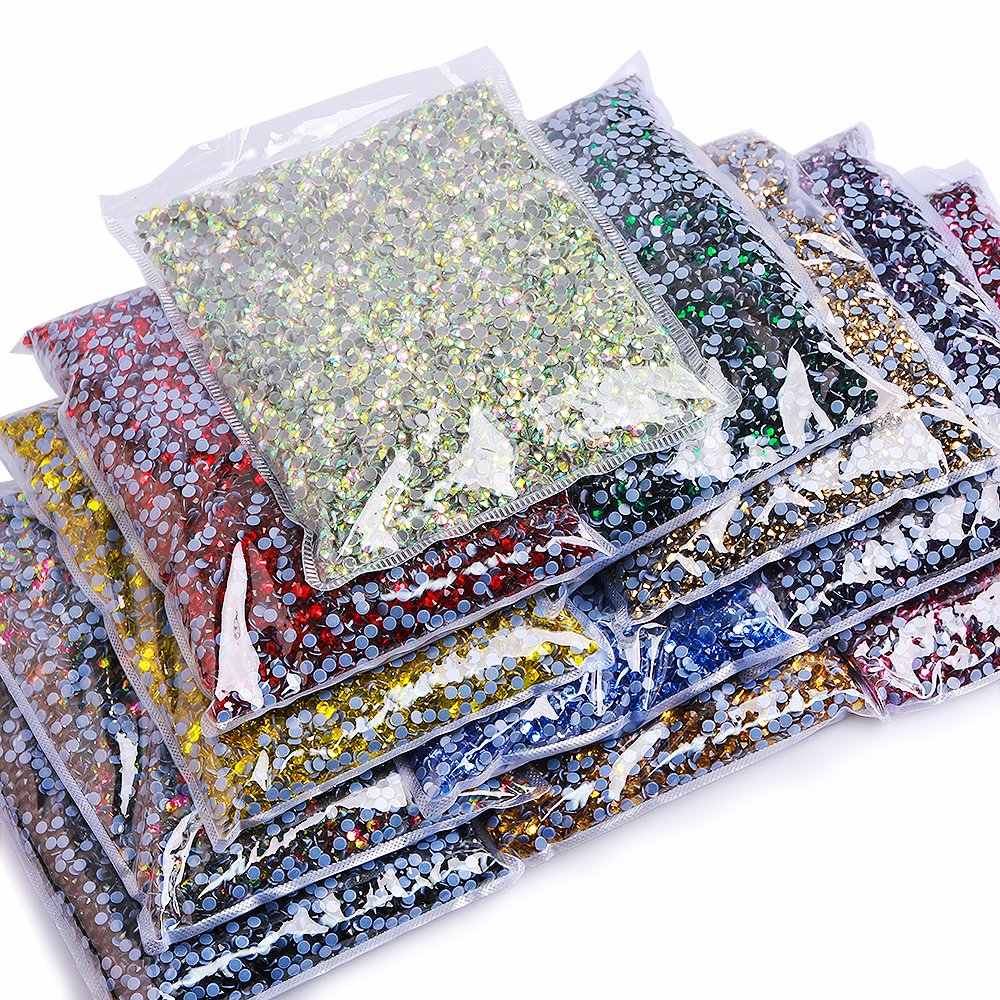
Get a free sample pack and factory pricing – WhatsApp us at +86 13692450325 or request a quote to check stock, bulk pricing, and lead time. We are a 12-year Guangzhou hotfix rhinestone factory serving garment makers and wholesalers worldwide.
Related reading: