
Wedding Dresses With Rhinestones That Sparkle Down the Aisle
The moment a bride steps into the light at the top of the aisle, the room goes quiet, and a gown covered in rhinestones is the reason no one blinks. Crystal catches the window light first, then the candlelight, then the camera flash, so a wedding dress with rhinestones looks like it is moving even when the bride is standing perfectly still. It is the most photographed garment most women will ever wear, and the stones are what make every photo worth keeping. Choosing the right rhinestones, the right density, and the right placement is the difference between a gown that glitters and one that glows.
Rhinestones have earned their place in bridal because they do what no other embellishment can. Beads catch light in pinpoints, sequins in flat flashes, but a well-cut crystal gathers light from a dozen angles and throws it back in a way that reads even from the back row. That is why brides keep coming back to the look season after season, and why a dress that costs a little more for real glass stones looks expensive in a way that cheaper imitations simply cannot match.
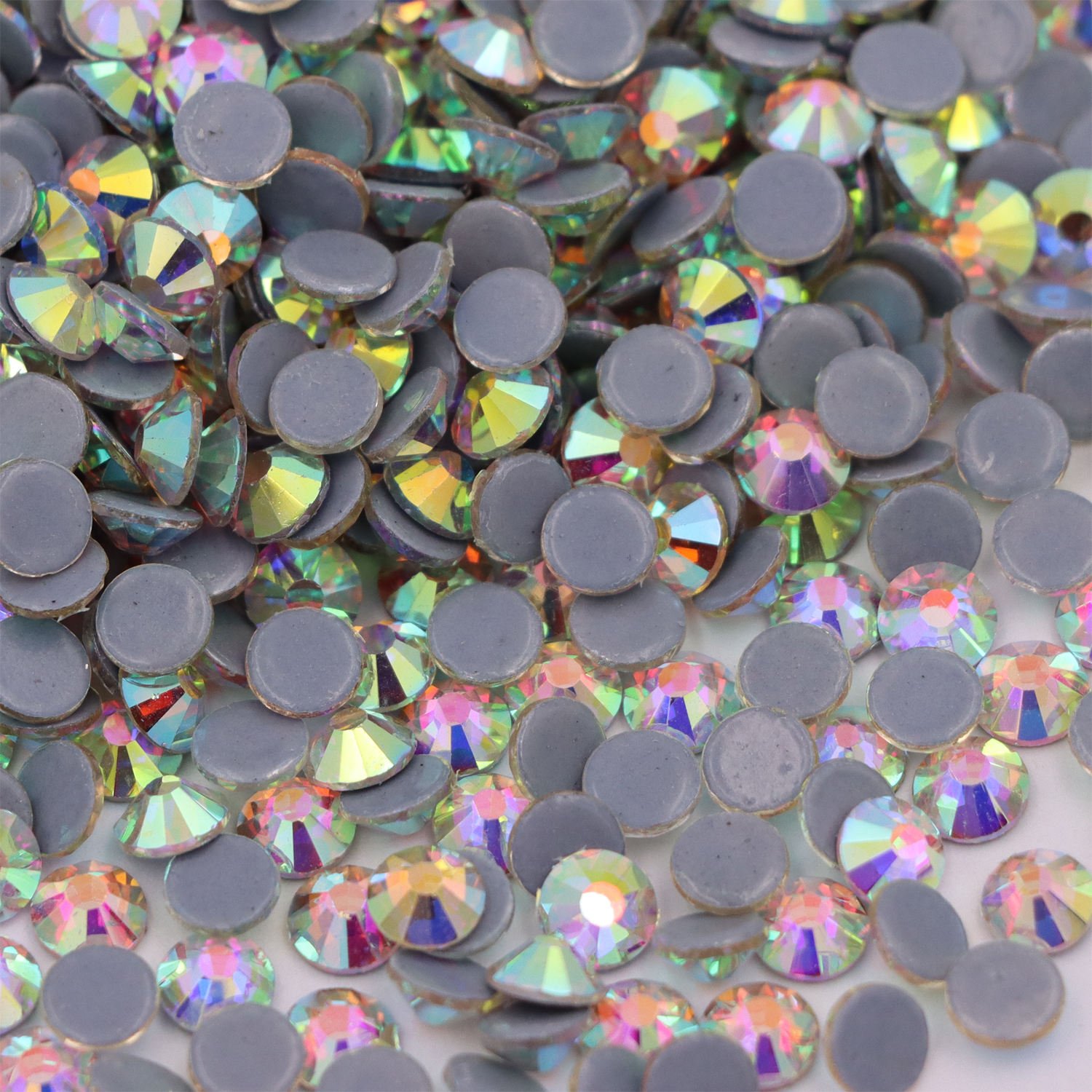
How do you add rhinestones to a wedding dress?
You add rhinestones to a wedding dress with either hotfix stones pressed onto fabric or sew-on stones stitched through foiled settings, and the method depends on the fabric and how permanent the embellishment needs to be. Hotfix is faster and cleaner, while sew-on holds better on delicate layers and sheer panels.
The placement matters more than the method. The best rhinestone dresses for women concentrate stones along the bodice, the waistline, and the trailing edge of the skirt, because those are the lines the eye already follows. Stones scattered evenly across the whole gown lose their rhythm; stones gathered at the neckline, the waist, and the hem create a sparkle that travels with the bride’s movement. If you are embellishing an existing white dress with rhinestones, start sparse and build up, because it is always easier to add crystals than to remove them from finished silk or tulle.
Hotfix or sew-on for a gown?
For a gown, sew-on is the safer choice on sheer and delicate fabrics like tulle and organza, while hotfix works beautifully on the structured bodice and heavier satin. Hotfix stones bond through a heat-activated glue and are fastest to apply in bulk, but the heat is too much for the finest bridal layers.
A bodice embellishment of several thousand hotfix stones can be completed in a fraction of the time hand-stitching would take, and the bond is secure enough to survive the day and gentle dry-cleaning afterward. On the skirt, where layers are loose and light passes through, sewn stones catch the light without weighing the fabric down or risking a scorch mark. Many designers combine both: hotfix on the corset, sew-on on the veil and train.
If you are working with a seamstress or a dress atelier, ask upfront which method they use and what grade of stone they set. A bridal shop that is proud of its work will tell you the stone is glass, not acrylic, and will show you a sample before any stone touches your gown. That one conversation is the cheapest insurance you will ever buy for the most important dress you will ever wear.
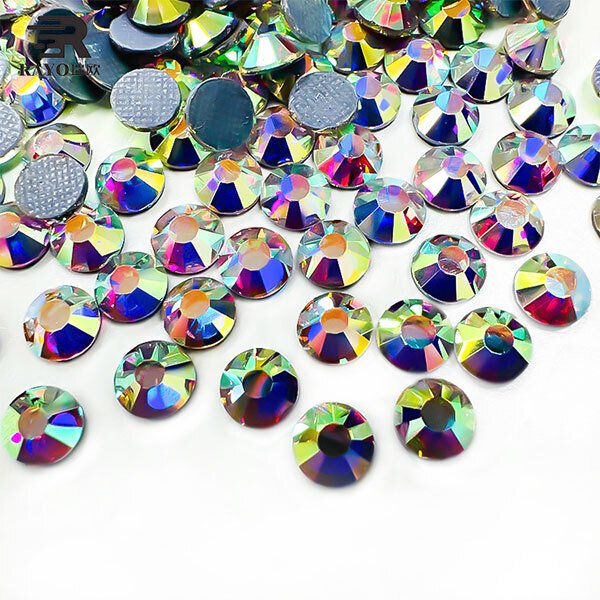
How many rhinestones does a wedding dress need?
A wedding dress with partial rhinestone work uses between 2,000 and 5,000 stones, concentrated on the bodice and accents, while a fully covered gown pushes far higher. The count is what turns sparkle into shimmer, and most brides are happiest somewhere in the middle.
The size of the stones shapes the effect. SS16 stones at 4.0mm read as a fine, continuous glitter and are the workhorse of bridal work, while SS20 stones at 4.8mm become individual points of light you can pick out one by one. A bodice of SS16 stones looks like the fabric itself is lit from within; the same bodice in SS20 stones looks deliberately beaded. That single choice, size, changes the whole character of the gown, which is why it is worth holding samples against the actual fabric in daylight before committing.
Matching density to the venue
The venue decides how much sparkle you need. An outdoor ceremony in full sun washes out fine stones, so you want slightly larger SS20 accents and higher density to hold up against the daylight. A candlelit ballroom does the opposite: small SS16 stones glitter like embers and read as luxurious without any help.
Think about the photographs too. A gown that sparkles beautifully at arm’s length can flatten out in a wide shot from the back of the church, so a bride who wants her dress to carry the whole room adds a little more density at the waist and hem, where movement makes the stones catch light from every angle. The sweet spot is usually a fitted, moderately stoned bodice with scattered accents trailing down the skirt, enough to shimmer on video without turning the dress into armor.
Mermaid, covered, and beaded silhouettes
A rhinestone mermaid wedding dress earns its drama from the way the stones trace the body’s curve and then release into the flare, so the sparkle travels the length of the silhouette. The fitted bodice and hips hold the densest stone work, and the flare stays light so the gown does not become heavy.
A rhinestone covered wedding dress is the opposite: stones run edge to edge, and the base fabric nearly disappears. That look is stunning in evening and candlelight, but it is the heaviest and most expensive option, so it suits a bride who wants the gown itself to be the entire statement. Between the two sits the most popular choice, wedding dresses with beading and crystals, where seed beads, sequins, and rhinestones are mixed across the bodice for a textured, dimensional sparkle that photographs beautifully at any distance. Crystal bling wedding dresses lean harder into the rhinestones and pull back the beads for a cleaner, more modern flash.
Colored gowns and the black dress
Not every bride wears white. Wedding gowns crystals can sit on ivory, blush, champagne, or a bold black with rhinestone dress, and the stone color and finish need to change with the fabric. Crystal and AB stones sing on white and ivory, while gold and champagne stones warm up blush and darker tones.
A black dress with rhinestones is one of the most striking choices in modern bridal, because the stones read as stars against a night sky. On dark fabric, use crystal or silver-backed stones for maximum contrast, and skip AB coating, which can look iridescent and costume-like against black. The rule is simple: match cool stones to cool fabrics and warm stones to warm fabrics, and test under both daylight and warm indoor light, because a stone that looks perfect in the store can shift tone once the reception candles are lit.
Color is where a bride can make the gown truly her own, and it is the easiest detail to get wrong. A swatch board of the actual stones against the actual fabric is worth an hour of back-and-forth over photos, because no screen reproduces the way a crystal shifts between daylight and tungsten. When in doubt, err toward crystal, the most forgiving finish, and let a single accent color do the talking.
Do rhinestones stay on a wedding dress all day?
Yes, rhinestones stay on a wedding dress through the ceremony, the photos, and the first dance when they are K9 optical glass on a proper glue and are treated gently. The stones that fall off are almost always cheaper acrylic on a low-melt glue.
The difference is invisible in a photo but obvious by the end of the night. K9 glass stones hold their fire and their bond through hours of movement, while acrylic stones scratch, dull, and shed as the fabric flexes. If a stone does come loose during the day, it is almost never a crisis: a bridesmaid with a small hand applicator can press a replacement back in seconds. The real insurance is buying the good stones in the first place, because no amount of care saves a gown that was embellished with the cheapest crystal available.
Walk through the day and you can see where the strain lands. The getting-ready photos have the bride seated, leaning forward, pressing the bodice against her knees. The ceremony has her standing still, but the first dance has her spinning, the train sweeping, and the waist twisting with every step. Then come the hugs, dozens of them, each one pressing against the stoned bodice. A well-made rhinestone gown survives all of it without shedding, because the stones were graded for exactly this kind of day, not for a single photo on a hanger.
Care through the reception and after
During the reception, keep the stoned areas away from anything abrasive, and be mindful of the first dance and any lifting. Rhinestones are hard, but the glue bond does not love being dragged across a chair back or snagged by a veil.
After the wedding, have the gown cleaned by a specialist who understands crystal work, and store it flat or on a padded hanger in a breathable bag. A gown that is cleaned and stored correctly keeps its sparkle for decades, which is exactly why rhinestones have been the bridal embellishment of choice for generations. The stones outlast the trends; the only thing that ever fails is a cheap stone on a cheap bond.
Sparkle beyond the gown
The same stones that lift a bodice also finish the rest of the bridal look. A crystal-edged veil, a stoned belt, or a few stones set into the hair all echo the gown and tie the whole look together, and they cost a fraction of what the dress did. The trick is restraint: let the gown lead, and use the accessories as small echoes rather than competing sparkle.
For a bride who is not wearing a heavily stoned dress, a rhinestone belt or a stoned neckline is often the only embellishment she needs. For the bride in a fully covered gown, the accessories should pull back and go quiet, because the dress is already the brightest thing in the room. Either way, matching the stone color and finish across the gown, the veil, and the accessories is what makes the whole look feel considered rather than assembled.
—
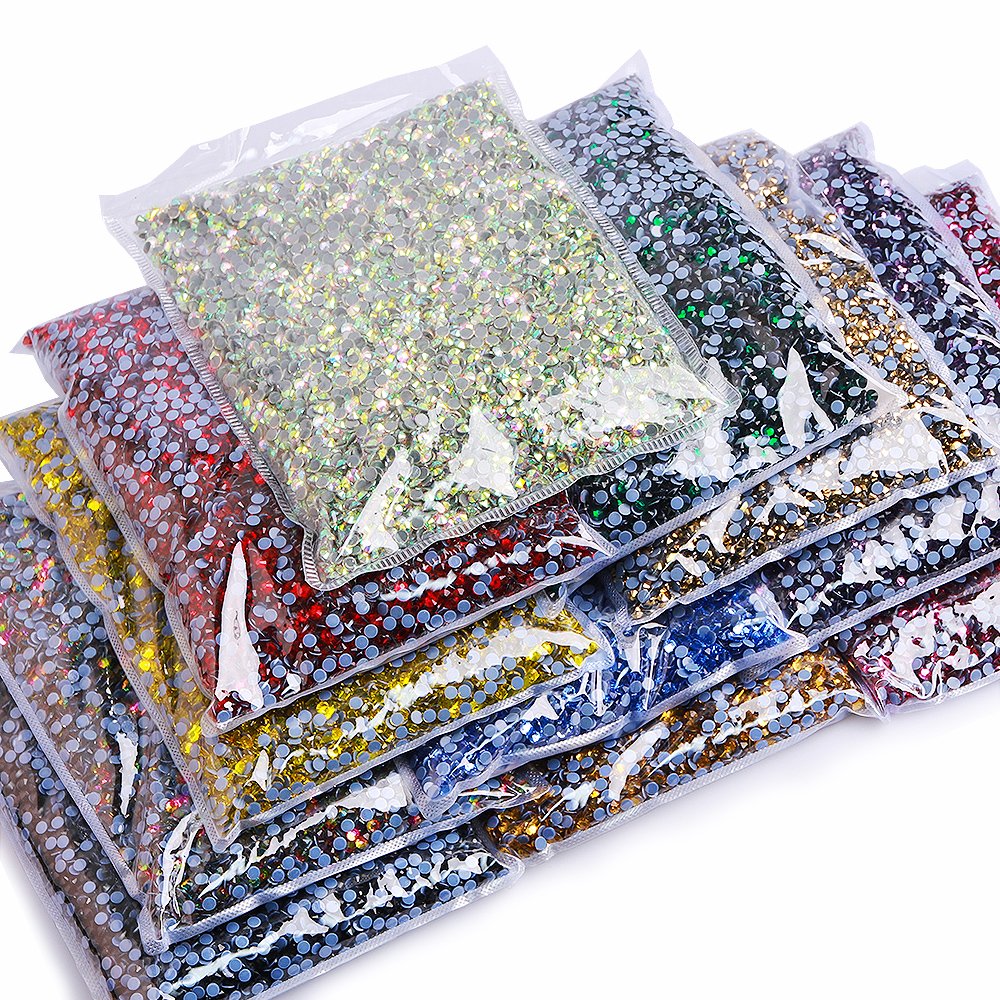
If you are embellishing your own gown or designing a bridal line, the stones you choose decide whether the dress sparkles for one evening or a lifetime. We manufacture K9 optical glass hotfix rhinestones in sizes from SS6 to SS30, with crystal, AB, and colored finishes, and we can send free samples so you can test them against your fabric before you commit. Message us on WhatsApp at +86 13692450325 or email rhinestonewholesale8@gmail.com and tell us the fabric and the look you are after.
Need a size or color recommendation for your next order? Send us your fabric type, design, and target price — we reply within one business day. WhatsApp +86 13692450325 · rhinestonewholesale8@gmail.com