
HS Code for Wedding Dress Embellishments Straight From a Guangzhou Rhinestone Factory
A bridal boutique in Texas imported 800 embellished gowns last spring and got stuck at the port for nine days over one wrong six-digit code. The fine was small. The missed launch date was not. Customs classification is the part of sourcing nobody budgets for until it bites. Whether you ship finished wedding dresses, rhinestone trims, or both in the same container, the HS code you put on the commercial invoice decides your duty rate, your clearance speed, and whether the shipment gets flagged for inspection at all. This page gives you the working codes for wedding gowns and the crystal components that decorate them, straight from a Guangzhou factory that ships both every week.
What is the HS code for a wedding dress?
A finished wedding dress made of woven fabric falls under Chapter 62 of the Harmonized System, and the most common entry point for a woven women’s gown is HS 6204.43 or 6204.44 depending on whether the shell is synthetic or natural fiber. A knitted wedding dress, by contrast, moves to Chapter 61, typically 6104.43 or 6104.44. That single distinction between woven and knitted changes the chapter, the duty band, and sometimes the quota rules for the destination country. For most embellished bridal gowns sold through wholesale channels, the synthetic woven code 6204.43 is what appears on invoices. You should confirm the exact eight- or ten-digit subheading against your destination country because every tariff schedule adds its own digits after the six international ones.
What is the HS code for dresses in general?
Dresses as a category split cleanly along the woven and knitted line, then again by fiber. Woven women’s dresses live in 6204.40 through 6204.49, while knitted women’s dresses sit in 6104.41 through 6104.49. Cotton dresses land on 6204.42 or 6104.42. Synthetic dresses land on 6204.43 or 6104.43. The HS code for women dresses therefore depends on two facts you can read off the garment label: the construction method and the main fiber by weight. If a dress has more than 50 percent polyester by weight, it is synthetic and takes the .43 subheading. This matters because the duty gap between cotton and synthetic can be several percentage points in markets like the United States, where some cotton apparel carries higher tariffs than polyester blends.
What is the HS code for knitted dresses?
Knitted dresses belong to Chapter 61, and the HS code for knitted dresses is 6104.41 for cotton, 6104.42 for man-made fibers in some national schedules, and 6104.43 for synthetic fibers. The logic mirrors Chapter 62 but the codes are not interchangeable. A factory that knits a gown body and then sews on lace will classify it under Chapter 61 because the knit construction dominates. You can spot the difference in the care label: if the fabric stretches and the label says jersey, interlock, or rib, you are looking at a knitted garment. Getting this wrong on a shipment of bridesmaid dresses is a common audit trigger because customs officers can feel the difference through the polybag faster than a broker can argue about it.
What is the HS code for a linen dress?
A linen dress falls under the flax subheadings, and the HS code for linen dress is 6204.49 for woven linen dresses or 6104.49 for knitted linen blends. Linen is not cotton, so it cannot sit on the cotton subheading even though both are natural fibers. If the dress is a linen-cotton blend, the fiber with the highest weight percentage decides the code, and if linen dominates, you take the “other textile materials” subheading under .49. Many destination countries list flax specifically within that band. Beach wedding and destination bridal lines run heavily on linen, so if your spring collection leans that way, have your supplier state the exact fiber breakdown on the packing list before the goods ship.
What is the HS code for ladies’ dresses?
The HS code for ladies’ dresses is the same family as women’s dresses, and the distinction is sizing and style rather than a separate chapter. Adult women’s dresses occupy 6204 for woven and 6104 for knitted, and the term “ladies” on a customs document simply means adult female apparel as opposed to girls’ wear in Chapter 6204.40 or 6104.40 for children. Girls’ dresses and ladies’ dresses are different subheadings even though they look similar, and misclassifying adult sizes as children’s to catch a lower duty rate is exactly the kind of error that triggers a reclassification penalty. Keep adult and child lines on separate invoice lines with separate codes, and the clearance stays clean.
What is the HS code for women gowns?
The HS code for women gown, whether bridal, evening, or formal, depends on the same woven-versus-knitted rule, and most woven women’s gowns clear under 6204.43 or 6204.44. A structured satin or taffeta ballgown is woven and synthetic in nearly every case, so 6204.43 is the working code. A slinky jersey evening gown is knitted and takes 6104.43. The word “gown” does not have its own standalone six-digit code in the HS for apparel; gowns share the dress subheadings, and customs authorities treat a floor-length gown as a dress for classification purposes. This is the single most useful shortcut for a bridal importer to remember.
What is the bridal gown HS code for customs clearance?
The bridal gown HS code used on most commercial invoices is 6204.43, assuming the gown is woven and the shell is synthetic. Some importers prefer 6204.44 for natural-fiber bridal fabrics, but polyester satin, organza, and tulle dominate the market, which pushes the majority of clearance entries onto .43. What confuses buyers is the embellishment: a wedding dress with sewn-on rhinestones, beading, or sequins still classifies as a garment under Chapter 62 as long as the crystal is an applied decoration rather than the essential character of the product. When the rhinestones are imported separately as loose stones or hotfix rolls, they take a completely different code, which is where the next section comes in.
What is the graduation gown HS code?
The graduation gown HS code sits in the same apparel chapters, with woven polyester academic gowns typically clearing under 6204.43 or a men’s equivalent under 6203, depending on the cut. Most graduation gowns are one-size, unlined, and made of woven polyester, which keeps them on the synthetic woven subheading. The robes themselves are low-value compared to the trims, hoods, and honor cords that ship with them, and some buyers wrongly bundle everything under one code. Hoods, caps, and stoles each have their own classification logic, and mixing them on a single line is a fast way to get the whole carton re-examined.
What is the HSN code for gown?
The HSN code for gown in India and other countries using the HSN nomenclature follows the same structure, with woven synthetic gowns at HSN 6204.43 and knitted synthetic gowns at HSN 6104.43. The terms HSN and HS describe the same six-digit system, and HSN is simply the Indian extension of it with two extra digits. When a Mumbai boutique asks our team for the ladies gown hsn code or the women gown hsn code, we point them to 6204.43 for satin and taffeta gowns and 6104.43 for jersey styles, and we tell them to confirm the final eight digits with their GST classification schedule. The ladies gown hs code and the gown dress hsn code are the same six digits you would quote in Europe or the US; only the trailing national digits change across borders.
What is the HS code for rhinestones used on wedding dresses?
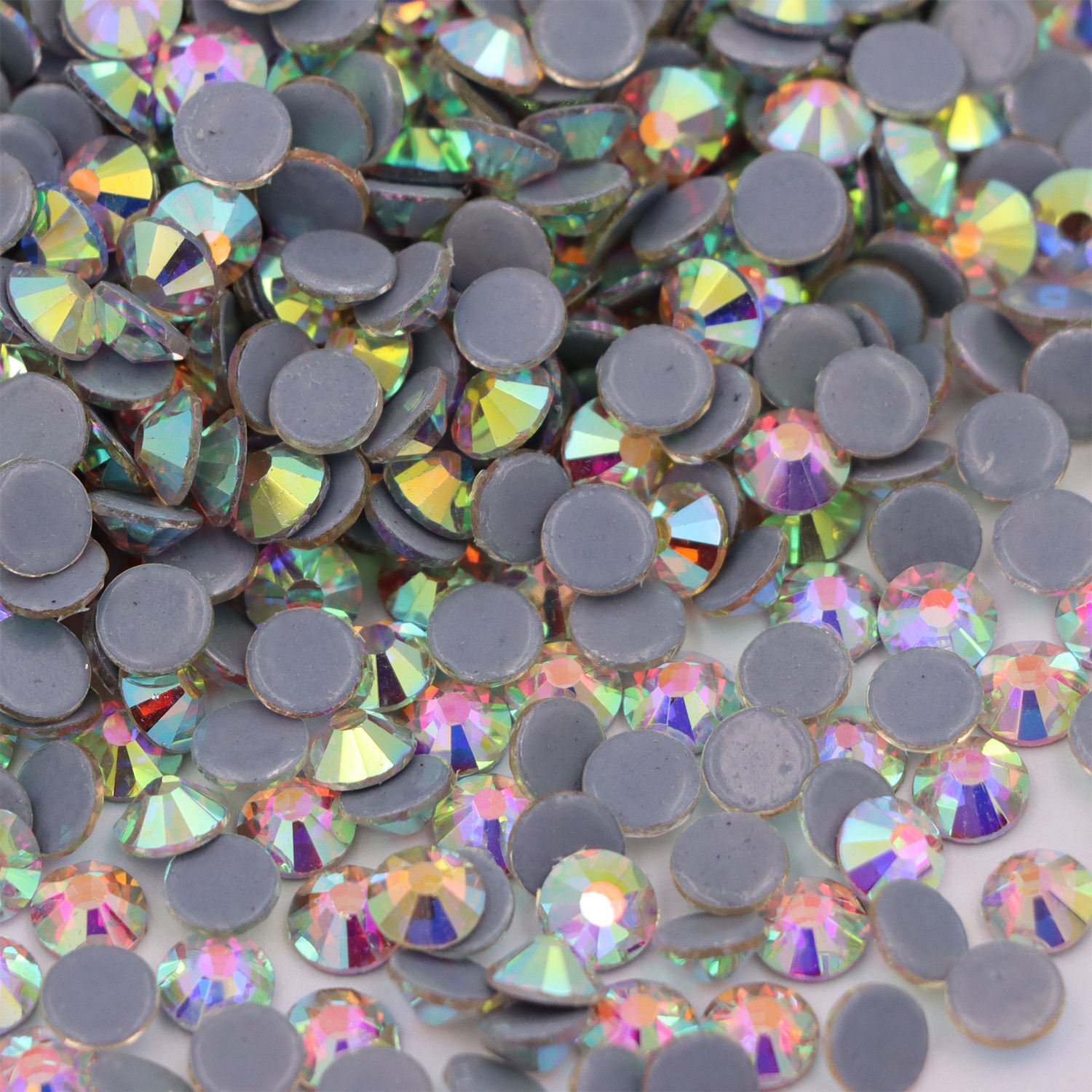
Loose glass rhinestones and hotfix crystal stones for garment decoration fall under HS 7018.10, which covers glass beads, imitation pearls, imitation precious stones, and similar small glass articles. This is the code our Guangzhou factory prints on every hotfix rhinestone shipment, and it is the single most important number for a bridal trim buyer to memorize. The US equivalent is HTS 7018.10.5000, carrying a duty around 6.6 percent, while the European Union applies roughly 3.7 percent on the same heading. If your supplier ships you loose SS16 stones and you later sew them onto gowns yourself, the stones and the gowns are two separate transactions with two separate codes, and your bookkeeping should reflect that split from day one.
How does a buyer classify a wedding dress with sewn-on rhinestones?
The rhinestones do not change the garment’s code, because an applied decoration like hotfix crystal is treated as part of the dress under the essential character rule. A woven polyester gown with three thousand SS16 stones sewn on still clears as 6204.43, not as glassware under 7018.10. The only time 7018.10 applies is when the crystals ship loose, on transfer film, or in bulk packs as a standalone product. This distinction saves buyers real money because apparel duty is calculated on the full garment value, while loose stones are charged on a much lower per-kilo basis, and knowing which transaction you are actually running is the difference between a clean invoice and a three-week hold.
How much duty do wedding dress rhinestones carry?
Loose hotfix rhinestones under HS 7018.10 carry roughly 6.6 percent into the United States and about 3.7 percent into the EU, which is lower than most finished garment rates. The numbers give importers a planning advantage: buying loose stones and embellishing locally sometimes beats paying garment duty on crystal-heavy markup, but only if your labor cost can absorb the handwork. Our factory ships the stones at around 1,440 pieces per SS16 pack, and a bridal gown using two to five thousand stones consumes three to four packs per dress. Running that math against your landed cost tells you whether to import stones, gowns, or both.
Why do buyers source wedding dress rhinestones from Guangzhou?
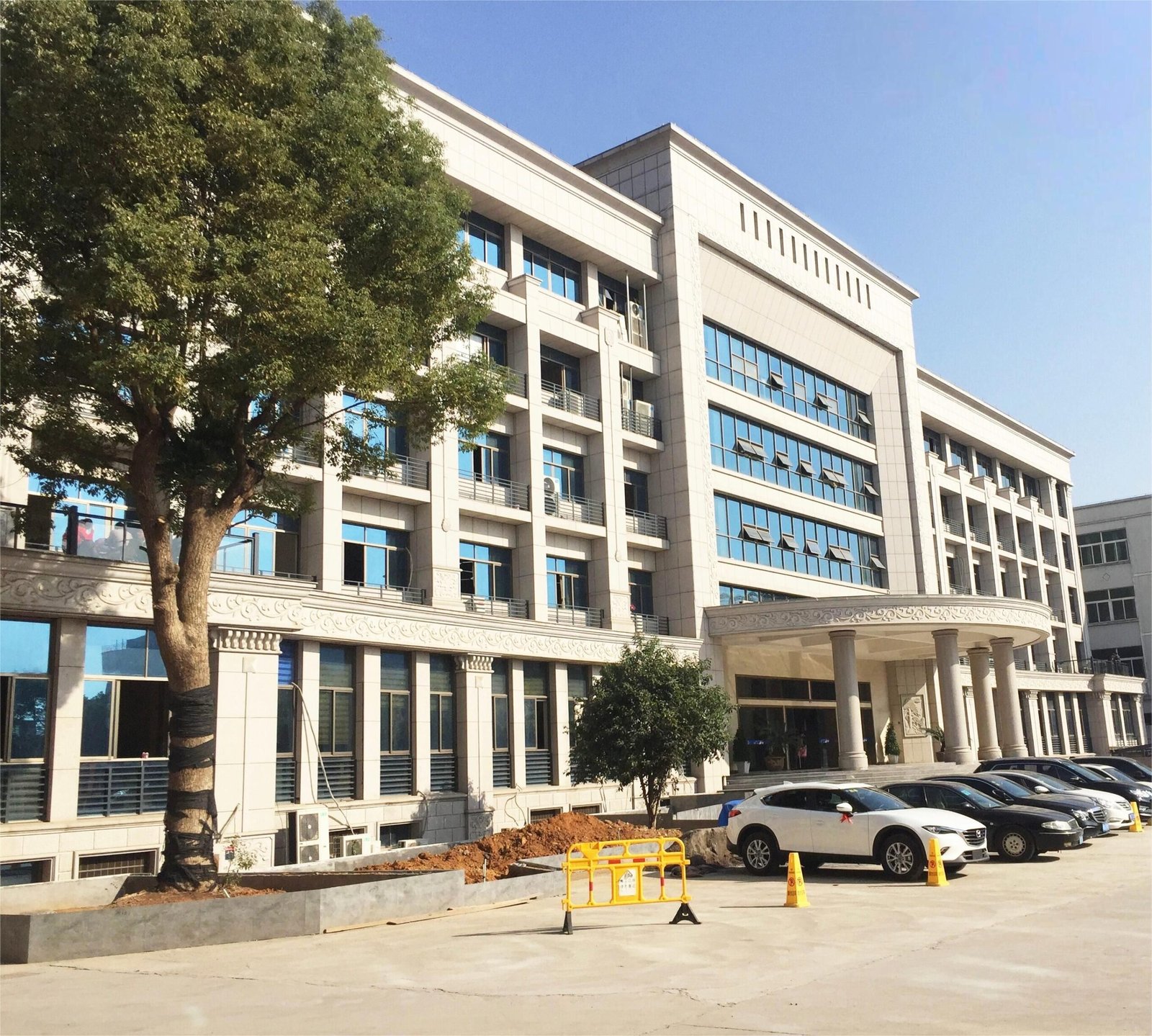
Guangzhou sits at the center of China’s hotfix rhinestone manufacturing belt, and a factory here can cut the middleman layers that inflate stone prices elsewhere. We use K9 optical glass with a refractive index around 1.9, noticeably brighter than the 1.5 of ordinary glass or the 1.49 of acrylic, and the stones carry a standard 12 to 14 facets per cut where budget imitations carry eight or fewer. Our hotfix stones use German gray glue that melts between 150 and 170 degrees Celsius, which survives a 50-cycle ISO 6330:2021 wash test with under 2 percent stone loss, against over 30 percent for cheap acrylic on yellow glue after five washes. For a bridal brand, that durability is the difference between a gown that stays whole through alterations and one that sheds crystals at the first fitting.
What is the minimum order for wedding dress rhinestones?
Our minimum is two packs per color and size, which comes to roughly 2,880 pieces of SS16 crystal, low enough to sample a full bridal collection without committing to a container. That MOQ is deliberately small because bridal buyers need to test color against ivory, blush, and champagne fabrics before placing a volume order. We ship from Guangzhou Baiyun District worldwide, with air freight to North America in five to seven working days via DHL or FedEx, and sea freight reaching the West Coast in eighteen to twenty-five days. Payment is a 30 percent T/T deposit with the balance before dispatch, and standard orders leave the warehouse within one to two days.
Get the exact HS codes and a price list for your next bridal line
Classification errors on wedding apparel are the easiest customs problems to avoid, and the codes above cover the woven, knitted, and crystal cases most bridal importers hit. The one number you should lock in before your next order is 7018.10 for loose hotfix rhinestones and 6204.43 for woven synthetic gowns, then confirm the national suffix with your broker. If you want the current per-pack pricing on SS6 through SS30 stones, the lead time for a two-thousand-gown embellishment run, or help matching a specific gown color, message our Guangzhou team on WhatsApp at +86 13692450325 or email rhinestonewholesale8@gmail.com and we will send a quote within twelve hours.
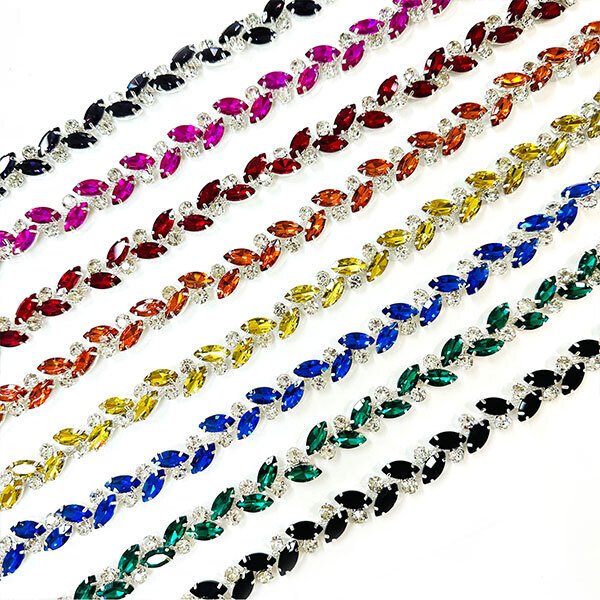
Need a size or color recommendation for your next order? Send us your fabric type, design, and target price — we reply within one business day. WhatsApp +86 13692450325 · rhinestonewholesale8@gmail.com