
How Do You Choose Rhinestone Shoes for a Wedding That Last Through the Reception?
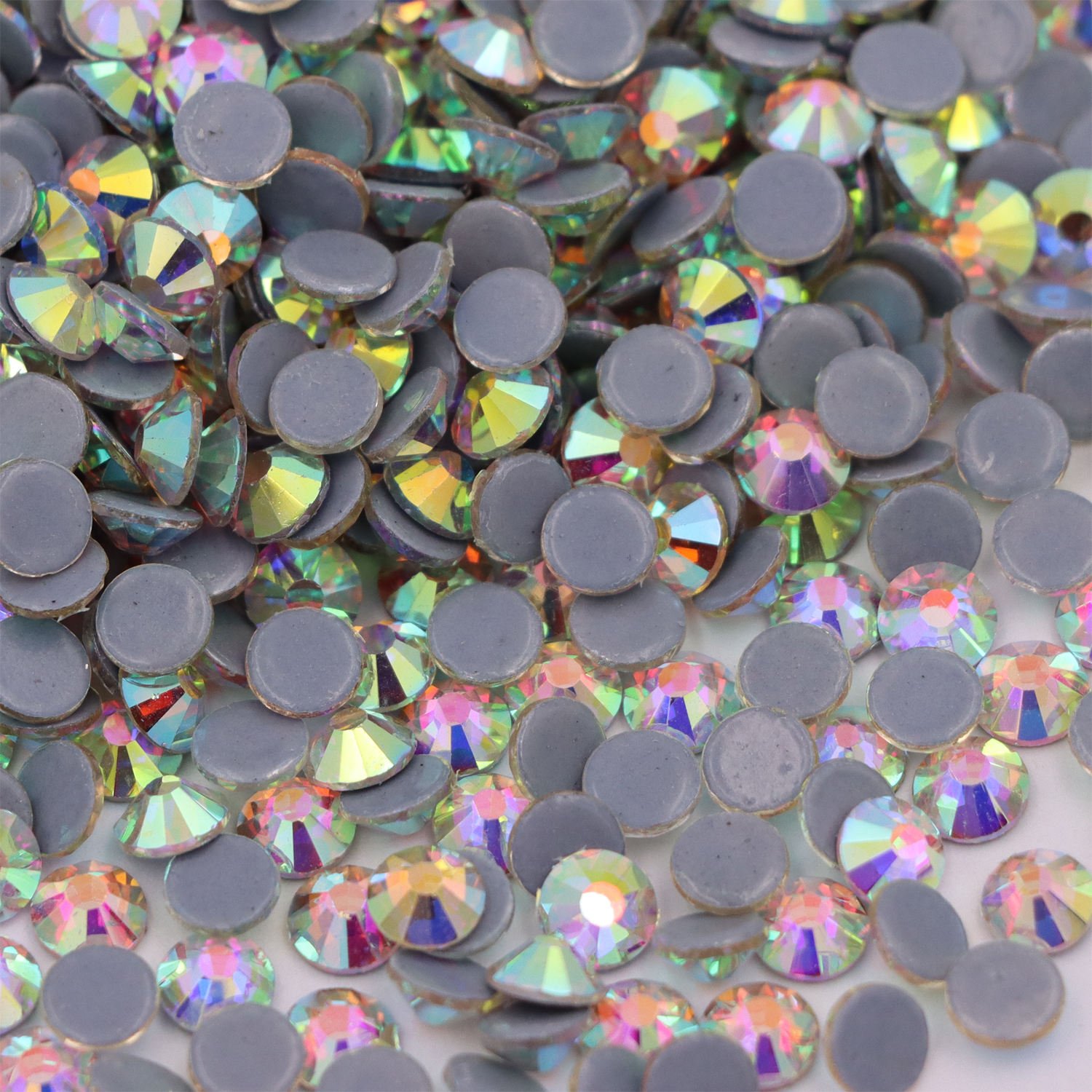
The shoes spend most of the wedding under a long hem, but they flash into view with every step, every first-dance spin, and every photo of you walking down the aisle. Rhinestone shoes for a wedding do two jobs at once: they carry you through twelve hours and they catch the light exactly when the photographer’s shutter fires. The pair that does both is the one with quality glass, not the one with the most crystals. K9 optical glass stones, with a refractive index around 1.9 and 12 to 14 cut facets, read as tiny diamonds in close-ups, while acrylic reads flat and milky before the cocktail hour ends. This guide covers the styles that suit a ceremony, the comfort moves that keep you standing, and the stone grade that keeps the sparkle through the last dance.
What are the best rhinestone shoes for a wedding ceremony?
The best rhinestone shoes for a wedding ceremony depend on the venue and the dress length, but the three workhorses are crystal-embellished heels, flat sandals, and low block heels. A silver rhinestone heel adds height and formality, which suits a cathedral or ballroom setting and a floor-length gown. Rhinestone flat sandals wedding options shine for beach and garden ceremonies, where heels sink into grass or sand and a flat keeps you stable on the aisle runner. A low block heel splits the difference, giving lift and support without the wobble. The stone placement matters more than the style: stones on the toe and heel catch the light as you walk, while a fully covered upper reads formal and statement-making.
A flat shoe with rhinestones is not a compromise, it is a strategy. Many brides choose an embellished flat or sandal for the ceremony and switch into a second, higher pair for photos, but a well-chosen flat can carry the entire day without a change. The key is a shoe with real structure, a cushioned footbed, and a strap or back that keeps the foot from sliding, since a flat that slips ruins the polish faster than any heel. For outdoor ceremonies, a flat is often the only option that keeps the dress clean and the walk steady, and the right rhinestone flat still photographs as dressed-up as a heel.
What makes a good bridal flat or sandal?
A good bridal flat has a cushioned insole, a flexible sole, and a secure fit, because those three things are what get you through a day of standing. For a sandal, look for an adjustable strap or a padded ankle band, since a loose sandal forces your toes to grip and leaves your feet sore by the vows. The rhinestones should sit on the upper only, never on the footbed, so they do not press into your foot. Dress shoes with rhinestones that flex at the ball of the foot are the ones you forget you are wearing, which is exactly what you want on a day with this much else to think about.
How do you make rhinestone wedding shoes comfortable for hours?
You make rhinestone wedding shoes comfortable by breaking them in before the day and adding support where the shoe lacks it. Wear them around the house in socks for a few evenings to soften the upper and find any rub points, then pad the spots that pinch with a soft liner or a gel dot. An insole with arch support transforms a flat from a thin slip-on into something you can stand in, and it is invisible once the shoe is on. The stones themselves do not add discomfort, so the comfort work is all in the fit and the footbed, not in the embellishment.
Time the break-in to match the shoe. Leather uppers soften with wear and mold to the foot, while satin stays stiffer and needs padding rather than stretching. If you plan to dance, do a short test dance at home to find where the shoe rubs when you move, not just when you stand still. A backup pair, a simple neutral flat, tucked into the bridal suite is the safety net that saves your feet after the formal photos are done, and it costs nothing to have on hand.
What should you look for in a comfortable heel?
A comfortable heel has a stable base, a platform or moderate pitch, and a strap that holds the foot in place. A block heel or a wedge spreads your weight over a wider base, while a slim stiletto concentrates it and tires the foot faster. A small platform under the toe reduces the effective pitch, so a four-inch heel feels closer to three. An ankle strap prevents the shoe from sliding forward, which is the cause of the pinched-toe ache most brides feel by dinner. Silver rhinestone heels for a wedding with these features look as good as the delicate pairs but spare you the slow hobble by the end of the night.
How are rhinestones attached to wedding shoes so they stay put?
Rhinestones are attached to wedding shoes with hotfix glue for fabric uppers, a strong jewelry adhesive for leather or satin, or metal prong settings for statement pieces. Hotfix stones carry a heat-activated glue on the back, and when pressed onto fabric the grey adhesive, which melts between 150°C and 170°C, locks into the weave as it cools. Cold-set stones use a slow-curing adhesive that stays flexible, which is essential on a shoe that bends with every step. Prong settings hold each stone in a metal claw and are the most secure option, though they are usually reserved for larger focal stones. The construction method, more than anything else, determines whether a stone is still there after the first dance.
The bond fails when the glue is weak or the upper stretches beyond what the adhesive can handle. Cheap yellow glue softens below 130°C and releases at the worst possible moment, while a flexible adhesive moves with the fabric and keeps its grip. Satin is a common trouble spot because it is smooth and loosely woven, so a stone needs a backing that keys into the weave rather than sitting on top of it. When you shop, run a finger over the stones, since a quality set should feel locked in, not raised and wobbling at the edges.
Why do rhinestones fall off some wedding shoes quickly?
Stones fall off quickly when the adhesive is brittle, the backing is undersized, or the upper flexes more than the bond can tolerate. Fast-drying craft glue turns hard and cracks as the shoe bends, which is why slow-curing, flexible adhesives are the standard for anything meant to be worn. Acrylic stones compound the problem because their cheap foil backing peels from fabric with almost no force. The shoes that survive the whole day use K9 glass with a grey backing and an adhesive matched to the material, so the stones flex with the shoe instead of against it. If a stone pops off during the first wear, that is a construction issue to flag, not a sign that embellished shoes are fragile by nature.
What is the difference between glass and acrylic rhinestones on wedding shoes?
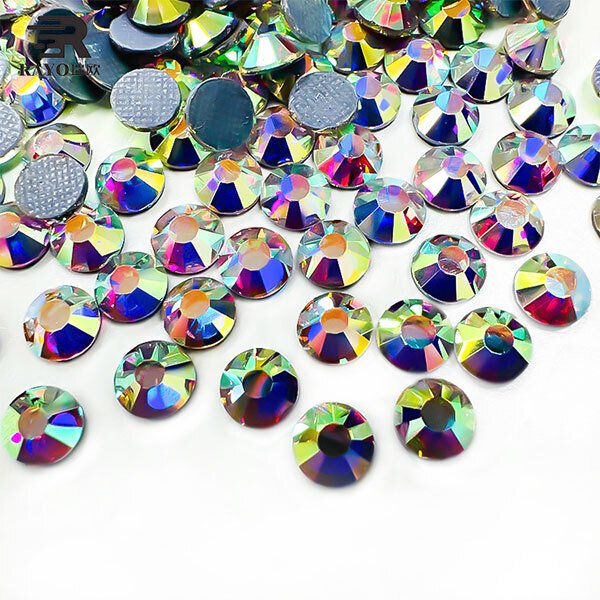
Glass and acrylic rhinestones look identical on a product page and completely different under wedding lighting. K9 optical glass carries a refractive index around 1.9, so it flashes like a diamond under candlelight and camera flash, while acrylic sits near 1.49 and reads flat and milky. The hardness gap decides how the shoes age: K9 glass measures 6 to 6.5 on the Mohs scale and shrugs off scuffs, while acrylic measures 2 to 3 and clouds after a few hours of contact with a hem or a dance floor. The cut count separates them further, since K9 stones carry 12 to 14 facets that return light from every angle, and acrylic stones are often molded with eight facets or fewer.
For a wedding, this difference is the difference between shoes that sparkle in the professional photos and shoes that disappear. The AB coating on a quality glass stone is applied by vacuum deposition, not sprayed on, so the iridescent rainbow stays even and never flakes. Rhinestone dress shoes for women meant for a once-in-a-lifetime event are exactly where you want the real thing, because the photos will outlast the day, and a dull acrylic flat will show its cheapness in every one of them. Spend the small premium on glass and the sparkle is guaranteed, not hoped for.
What finish looks best against a white or ivory dress?
Crystal AB is the default for bridal shoes, because its iridescent coating catches both warm and cool light and adds a soft rainbow that flatters white and ivory alike. A clear crystal reads cleaner and more modern, which suits a minimalist gown. For a silver or metallic dress, a silver-tinted stone echoes the hardware of your jewelry, while champagne warms up against ivory and skin tones. Match the shoe finish to your jewelry metal rather than to the dress exactly, since the shoes, earrings, and bracelet read as one set in close-up detail shots of the ring exchange and the bouquet.
Do silver rhinestone heels for a wedding match every dress?
Silver rhinestone heels for a wedding match nearly every dress because silver is the one metal that pairs with white, ivory, champagne, and blush without clashing. The cool tone reads as neutral, so it disappears into the outfit instead of competing with it, which is exactly what a shoe should do. The rhinestones add the sparkle, while the silver base keeps the whole thing cohesive, whether the dress is a crisp white ballgown or a soft champagne slip. If your jewelry is gold, a champagne or gold-tinted stone sits more naturally, but silver remains the safest single choice for a bride who does not want to overthink it.
The exception is a dress with strong warm undertones, where silver can read slightly cold. In that case, lean into champagne or rose-gold finishes to warm the look, or add a gold-tinted accessory to bridge the gap. The rule is consistency of finish across your visible metal, not a rigid match to the dress, so pick one metal tone for shoes, jewelry, and hair accessories and carry it through. That single decision does more for a pulled-together bridal look than any amount of sparkle.
Can you wear rhinestone sneakers for a wedding reception?
Yes, rhinestone sneakers for a wedding reception are now a common sight, because they let you dance past midnight without the heel pain and still look deliberate. The trick is choosing a sneaker with a slim silhouette, a clean white or metallic base, and rhinestones concentrated on the sides or heel rather than sprayed everywhere. A chunky athletic sneaker reads casual and fights the dress, while a low-profile style with scattered stones reads as a fashion choice, especially under a tea-length or high-low hem that shows them off. Rhinestone sneakers for women have moved from a quirky trend to a standard reception shoe, and for good reason: the photos of the first dance look better when you are smiling, not wincing.
Timing matters as much as the shoe. Wear the heels for the ceremony and formal portraits, then switch into the sneakers when the dancing starts and the band turns up. The switch itself has become part of the fun, and many brides match their sneakers to the bridal party so the group photos on the dance floor look intentional. Choose glass stones over acrylic here too, because a reception sneaker takes real abuse, scuffed by other shoes and the floor, and only K9 glass keeps its sparkle through the night. The sneakers become a keepsake you actually rewear, which is more than most pairs of white heels can claim.
If you are building or refreshing your own bridal footwear, the stone grade is the single decision that determines whether the shoes sparkle or disappoint. Our team supplies K9 optical glass rhinestones in Crystal AB, silver, and clear finishes across the full SS size range, with the grey backing that holds through a long day of wear. A free sample pack lets you test the sparkle and the bond against your exact fabric before you commit. Message us on WhatsApp at +86 13692450325 or email rhinestonewholesale8@gmail.com and tell us the style and material you are working with.

Need a size or color recommendation for your next order? Send us your fabric type, design, and target price — we reply within one business day. WhatsApp +86 13692450325 · rhinestonewholesale8@gmail.com