
A Rhinestone Wedding Headband for the Bride That Sparkles in Every Photo
The photographer frames your face first, and a bare hairline leaves the shot feeling unfinished. A rhinestone wedding headband for the bride solves that in one piece, pulling light toward your eyes and giving the veil something to anchor against. The difference between a headband that sparkles and one that disappears comes down to the glass, not the designer label. K9 optical glass flatbacks carry a refractive index around 1.9 and 12 to 14 precision-cut facets, so they read as tiny diamonds in close-up portraits rather than dull plastic dots. When the reception lights hit them from the side, that extra facet count is what makes the camera pick up the glint. This guide covers the crystal grade to insist on, the size that flatters a bridal hairstyle, and the styling rules that keep the piece from fighting your veil or your dress.
What is the best rhinestone wedding headband for a bride?
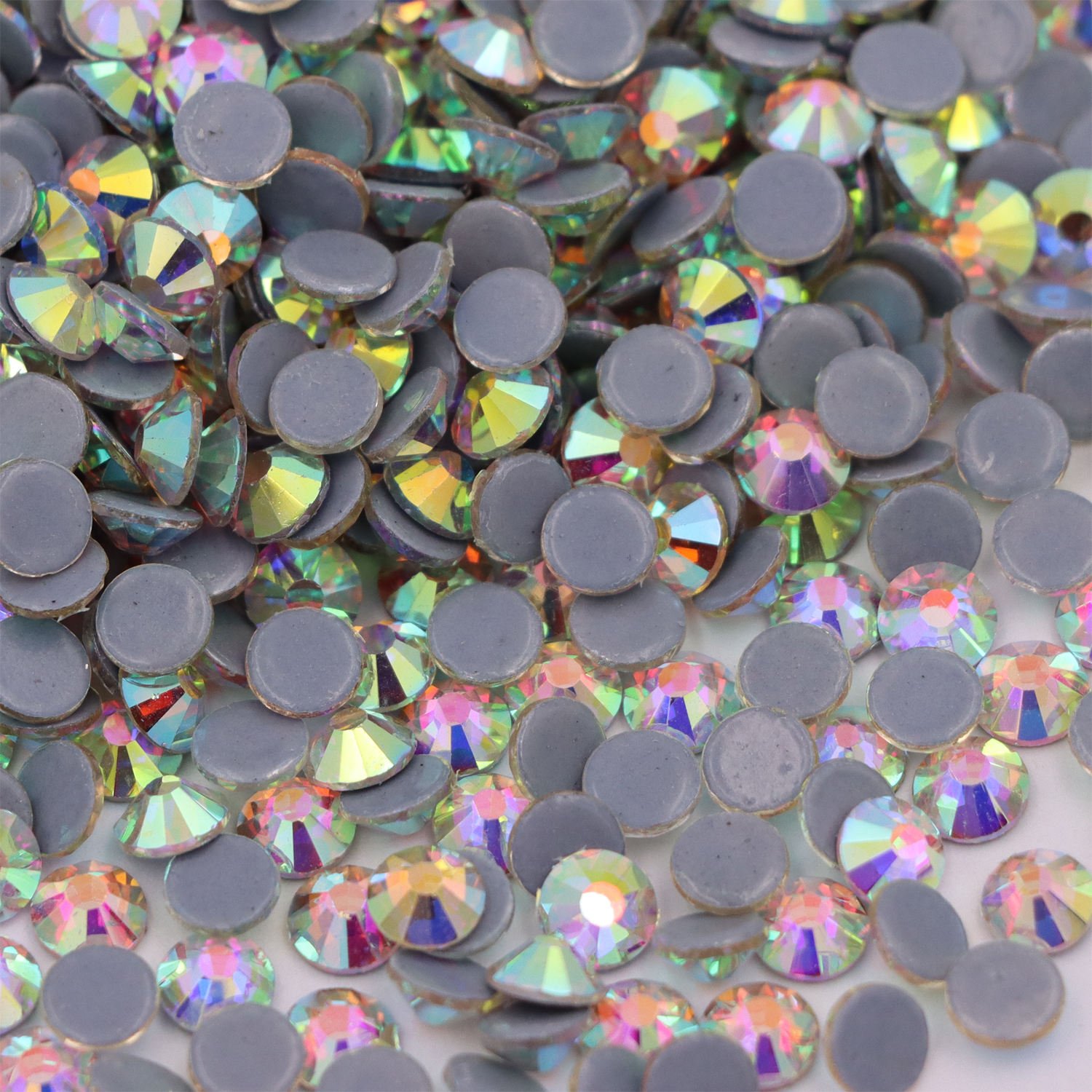
The best rhinestone wedding headband for a bride uses K9 glass flatbacks with an AB finish, because that combination produces the cleanest, brightest sparkle without looking costume-heavy. A rhinestone headdress for wedding wear sits close to the face, so every flaw in the stones is obvious in portraits. Acrylic stones, with a refractive index around 1.49, read flat and milky in photos, while K9 glass at roughly 1.9 keeps its fire even in dim reception lighting. The AB coating is applied by vacuum deposition rather than sprayed on, which means the iridescent sheen stays even and never flakes off in your hair the way a cheap spray finish will.
The band underneath matters as much as the stones. A wrapped satin or velvet band holds glued flatbacks securely and feels soft against the scalp, while a metal frame with prong-set stones looks more structured and holds up through a full day of hugs. Both are valid; the choice is about your hairstyle and how much height you want. A flexible wrapped band disappears into loose waves, while a structured metal headband adds a crown-like lift that reads well with an updo. Whichever you pick, check the back of the stones, because glass flatbacks with a foil or AB backing reflect far more light than a clear-through acrylic bead.
What crystal size and finish suit a bridal headband?
Small stones read as elegant, not loud. SS6 at 2.0 mm and SS10 at 2.8 mm are the workhorses for a bridal headband, because they create a continuous line of sparkle without looking like a disco accessory. SS16 at 4.0 mm works as a single focal stone at the center or the sides, drawing the eye to one point. Crystal AB is the default bridal finish, its soft rainbow edge flattering both warm and cool lighting, while a clear crystal reads more modern on minimalist looks. If your dress carries champagne or rose tones, match the headband finish to it so the two sparkles do not clash in full-length photos.
How do rhinestones compare on a wrapped band versus a metal frame?
A wrapped fabric band is lighter and stays comfortable for eight hours, which is why it suits brides who plan to keep the piece on through the reception. The stones are glued flatbacks, so the silhouette stays low and blends into the hair. A metal frame with prong settings feels heavier but delivers a brighter, more dimensional sparkle because each stone sits in a raised cup that catches light from more angles. Metal also survives more wear, which matters if you want to rewear the piece as a rhinestone headdress for party events after the wedding. Pick fabric for all-day comfort, metal for maximum brilliance and longevity.
How do you choose a rhinestone headband that matches your veil?
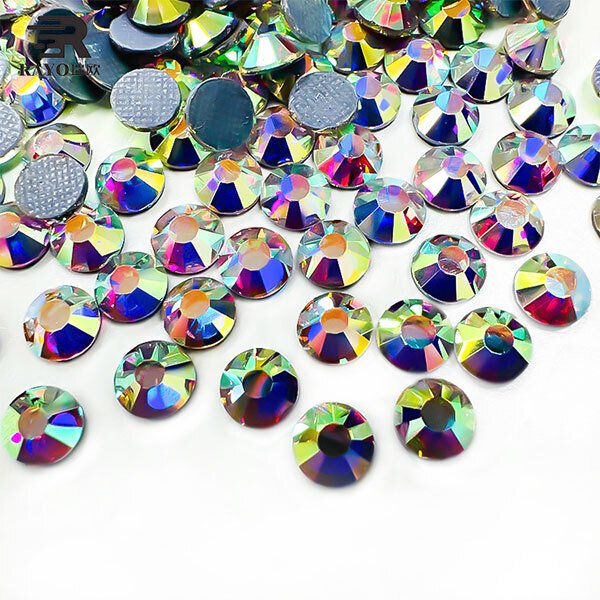
Match the headband to the veil by keeping both in the same finish family, because a clash of warm and cool sparkle shows up as a mismatch in photos. If your veil is edged with clear crystals, a Crystal AB headband sits naturally beside it. If the veil is unembellished, a busier headband becomes the single focal point, which is exactly what you want. The placement also matters: a headband should sit where the veil attaches, so the two read as one deliberate accessory rather than two unrelated pieces fighting for attention. Try both on together under the same lighting you will wear at the ceremony, and photograph your head from several angles before you decide.
Scale is the second factor. A thin, delicate headband pairs well with a cathedral veil, because it does not compete with the volume of fabric. A wider statement band looks best with a shorter, simpler veil or none at all, so the sparkle stays the star. Your hairstyle splits the difference, since an updo can support a heavier piece while loose curls hide a thin band. Keep the proportion rule simple: one bold element on the head, and everything else supporting it.
Hairstyle changes where the piece should sit. With a low chignon, the headband reads best pushed slightly back so the stones sit above the face rather than covering the forehead. With loose waves, slide the band closer to the hairline and let the veil fall behind it, which frames the face without hiding the sparkle. If you wear a blusher, position the headband just behind where the blusher attaches, so the two layers do not tangle when the veil is lifted. A few minutes of adjusting in front of a mirror, with the veil actually on, saves you the slow panic of fixing a crooked headband mid-ceremony.
How do you coordinate a headband with other rhinestone trims for dresses?
Your headband should not be the only sparkle in the frame. Carrying the same crystal finish into the dress creates a pulled-together look, which is where rhinestone belts for wedding dress designs come in. A belt in the same AB finish ties the waist and echoes the headband without matching it exactly, and it doubles as a rhinestone belt for formal dress occasions later. Rhinestone applique for wedding dress placements, whether at the waist or shoulder, spreads the sparkle down the silhouette, while rhinestone trims for dresses along a hem or neckline pull the eye through the full length of the gown. The rule is consistency over matching: same finish, varied density, so the eye travels naturally from headpiece to hem.
Pins and small accents fill the gaps in between. Rhinestone pins for dresses can hold a wrap in place, gather a sleeve, or secure the bustle, and each one adds a controlled point of light. Keep all of these in the same AB family as the headband, and avoid mixing acrylic accents with glass, since the two sparkle at different intensities and the plastic will look dull beside the real stones. One finish carried through every accessory is what reads as custom in photographs.
What about a rhinestone wedding headband for bridesmaids?
A rhinestone wedding headband for bridesmaids follows the same rules at a smaller scale. Bridesmaids usually wear a slimmer version of the bride’s piece, often a single row of SS6 or SS10 stones instead of a full wrap, so the bride still reads as the focal point. Keeping the same AB finish across the bridal party ties the group together in group shots without making everyone identical. The same band works beyond the wedding day, because a subtle rhinestone headdress for dance or costume events lets a bridesmaid rewear the piece instead of retiring it to a drawer. Choose a flexible wrapped band for bridesmaids, since it sits comfortably in a range of hairstyles and hair textures.
How do you keep a rhinestone wedding headband in place all day?
Secure the headband with two hidden points rather than relying on the band’s tension alone. A wrapped fabric band can slip as your hair relaxes through the day, so slide a bobby pin or two crosswise through the band into the hair at the temples. For a metal frame, use small clear elastic loops or a comb attachment if the piece has one, and anchor the comb into the updo rather than resting it on top. The goal is three points of contact: one at each temple and one at the crown, which stops the piece from tilting forward during the first dance.
Test the fit before the wedding day, not on it. Wear the headband for a full afternoon at home, because a piece that feels fine for ten minutes can pinch after two hours. If a stone feels loose, do not glue it back with a fast-drying craft glue that clouds the glass; a jeweler or the supplier can reset a flatback cleanly. The rhinestone headdress for dance and movement stays put when the band fits snugly without digging, so prioritize fit over drama and the sparkle will stay where you placed it all night.
How do you care for a rhinestone headdress so it lasts?
Store the headband flat in its box or a padded pouch, never loose in a drawer where the stones rub against other jewelry. Wipe it after wearing with a soft dry cloth to lift hairspray and skin oils, which dull the facets over time and steal the very sparkle you bought. Skip the water and cleaning sprays, because moisture can seep behind glued flatbacks and loosen them at the edges. If you rewear the piece as a rhinestone headdress for costume or party looks, inspect the settings before each use and catch a loose stone before it falls. Glass stones cared for this way keep their fire for years, which is why the small upkeep is worth the effort.
The same finishing rules apply whether you are dressing the bride, the bridal party, or your own formal wardrobe. Our team supplies K9 glass rhinestones in AB and clear finishes across the full SS size range, in loose stones and ready-to-apply trims. Tell us the finish and size you are after and we will send a free sample sheet so you can test the sparkle against your fabric and veil before you commit. Message us on WhatsApp at +86 13692450325 or email rhinestonewholesale8@gmail.com.
If you are pulling together a full bridal look, see how Crystal AB hotfix rhinestones create that signature rainbow sparkle on bridal gowns.
Need a size or color recommendation for your next order? Send us your fabric type, design, and target price — we reply within one business day. WhatsApp +86 13692450325 · rhinestonewholesale8@gmail.com