
Are Rhinestone Baby Clothes Personalized Safely for Infants?
Personalized rhinestone baby clothes sit at the center of every baby shower and first-birthday photo, but the stone behind the sparkle is not all the same. Cheap rhinestones can carry lead in the coating and loose glue that lets stones pop off, which is exactly the combination you do not want near an infant who puts everything in her mouth. Baby-safe rhinestones are lead-free, set with a strong heat-activated glue, and placed where a baby cannot reach them. This guide covers how the personalization is done, what “baby-safe” actually means, and what to check before you order.
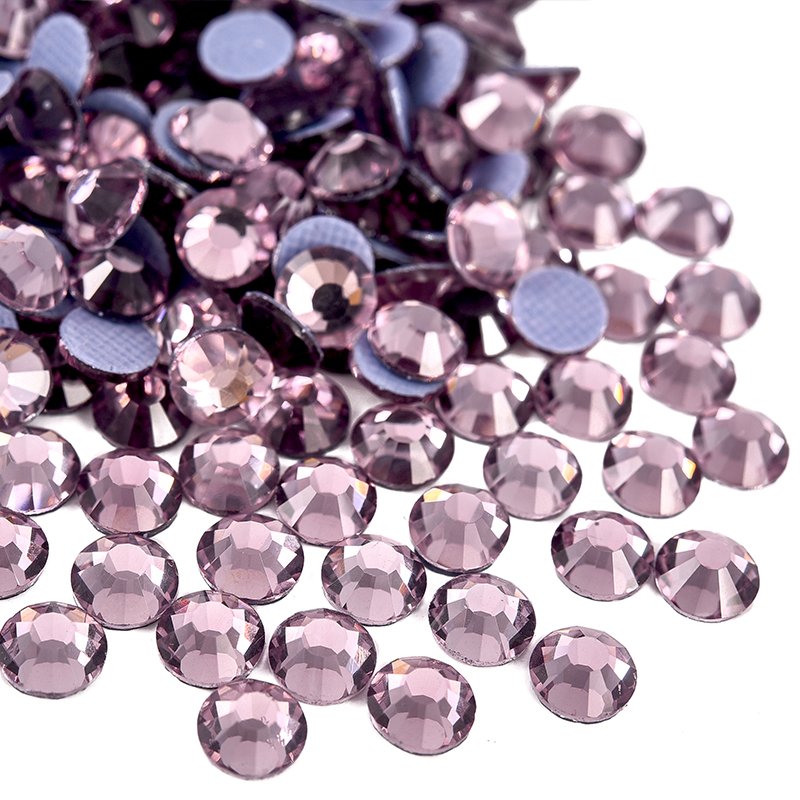
Are Rhinestones Safe for Baby Clothes?
They are safe when the stones are lead-free and heat-set onto the fabric. The main risks are lead content and loose stones, and both are controllable if you buy from a supplier who tests. Lead can hide in the foil backing or coating of cheap stones, and the same stones often shed because the glue is weak. A properly heat-set K9 glass stone with gray glue stays locked into the fabric and will not come off in a baby’s hand.
The legal limits give you a benchmark. OEKO-TEX sets a lead limit of 90 parts per million for general textiles and 30 ppm for infant items, while the US CPSIA standard for children’s products caps lead at 100 ppm. Truly lead-free stones measure below 1 ppm, and that is the number to ask for on baby clothes. If a seller cannot name a lead test result, treat the stones as unverified and move on.
How Are Rhinestone Baby Clothes Personalized?
Personalization usually means a name, initials, or a small design set in rhinestones across the chest or back of a onesie, bodysuit, or t-shirt. The stones are laid out in a template spelling the name, then heat-pressed into the fabric one stone at a time or as a pre-made design. K9 glass stones in the SS10 to SS16 range, from 2.8mm to 4.0mm, are the standard for lettering because they are small enough to form clean curves and large enough to sparkle.
The fabric matters as much as the layout. Cotton is the ideal base because it takes heat-pressing well at around 165°C with 40 PSI of pressure held for about 15 seconds, which locks each stone in. Stretchy knits and spandex blends need a lower temperature, around 150°C, so the heat does not damage the fibers. A boutique that personalizes on quality cotton with heat-set stones produces a result that survives washing; one that glues stones onto thin polyester produces a result that starts shedding after the first wash.
The design itself is usually built from a stencil or a template, with each stone placed one at a time before the heat press goes down. That is why a name with tight letter spacing and a clean curve costs more than a straight line of stones: the layout takes longer and the press has to hold consistent pressure across the whole design. A skilled hand keeps the stones evenly spaced so the letters read clearly from a distance, which is exactly what you are paying for on a custom piece.
What Is the Difference Between Baby-Safe and Regular Rhinestones?
Baby-safe rhinestones are lead-free and backed with a strong gray glue, while regular rhinestones may contain lead in the coating and use a weaker yellow glue. The lead is the critical difference. California Prop 65 sets a lead exposure threshold of 0.5 micrograms per day, a level that cheap stones can exceed when a baby mouths them. Baby-safe stones are tested to stay far under that, with lead below 1 ppm.
The glue difference shows up in durability. Gray glue activates at 150–170°C and holds a stone through dozens of washes, while yellow glue softens below 130°C and releases stones under body heat and washing. For baby clothes, which get washed constantly and tugged constantly, that gap is the difference between a keepsake that survives a year of wear and one that loses half its stones in a month. Reviews of cheap rhinestone baby clothes almost always mention stones falling off, which is the yellow-glue problem in practice.
The stone itself is the second difference. K9 optical glass holds a Mohs hardness of 6 to 6.5, so it does not scratch or cloud when a baby grabs it or when clothes rub together in the wash. Acrylic stones sit at 2 to 3 and dull quickly, which is why a cheap decorated onesie looks gray and flat after a handful of washes. Baby-safe rhinestones are therefore a combination, not a single feature: lead-free material, hard glass, and strong glue working together.
How Do You Wash Rhinestone Baby Clothes?
Wash them inside out on a gentle cycle in cold water and air dry, or turn them inside out before a low tumble. Heat and agitation are the two things that loosen stones, so avoid hot water, heavy spin cycles, and the dryer on high. A mesh laundry bag adds another layer of protection by keeping the decorated area from rubbing against buttons, zippers, and other clothes.
Do not iron directly over the rhinestones, and skip fabric softener on the decorated area, because both can interfere with the glue bond over time. For a personalized piece you want to keep as a keepsake, hand washing in cool water is the safest routine. If a stone does come loose after many washes, it can be reseated with a hotfix applicator, but catching it early matters: a single missing stone leaves the neighboring stones with less support and starts a slow unraveling along the design.
Check the design after every wash. It takes ten seconds to look over the letters and confirm no stone has shifted, and that habit stops a small problem from becoming a bare patch. Many parents treat a personalized onesie as a one-wear photo prop, but with the right stones and a gentle wash routine the piece can hold up for a full season of wear and still look bright enough to hand down to the next baby.

Where Can You Buy Personalized Rhinestone Baby Clothes Online?
You can find them on boutique marketplaces and directly from small shops that specialize in customized children’s clothing. The challenge online is that photos all look equally shiny, so you have to read past the image. Look for listings that name the stone material, state that stones are lead-free, and describe the attachment method as heat-set or hotfix rather than glued. Those three details are the difference between a boutique-quality piece and a mass-produced one with a markup.
Rhinestone baby clothes boutique sellers tend to offer the names and designs as options, while larger marketplaces sell pre-made phrases. If you want a specific name, spelling, or color mix, a boutique that cuts each design to order is the better route. Read the reviews with an eye for durability complaints, because “stones fell off after one wash” is the single most telling line in any rhinestone baby clothes reviews section, and it tells you the seller used weak glue or acrylic stones.
Price is a useful filter, but not by itself. A $9 personalized onesie from a mass marketplace is almost certainly using acrylic stones and glue, while a $25 to $45 boutique piece should be using heat-set K9 glass. The honest middle is to ask the seller directly whether the stones are lead-free K9 glass and heat-set, and to check whether they list those details in the description. Sellers who invest in quality stones say so plainly, because it is the one selling point that justifies their price.
What Styles Are Available for Girls and Boys?
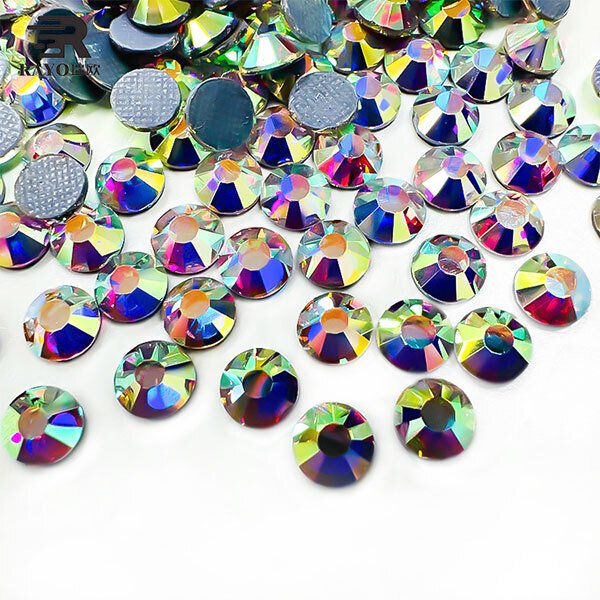
Rhinestone baby clothes for girls typically feature pink, amethyst, and AB-coated stones in designs like crowns, hearts, butterflies, and bows. Rhinestone baby clothes for boys lean toward clear, silver, black, and blue stones in shapes like stars, dinosaurs, cars, and sports motifs. The color of the stone does not change the safety or durability, so the choice comes down to taste.
The garment itself is usually a cotton onesie, bodysuit, romper, or toddler t-shirt. Onesies and bodysuits are the most popular because they show off a single centered design and photograph well. When you order, check the size chart carefully, because personalized pieces cannot be returned or exchanged once the name is applied. A quick measurement of the baby’s chest and length before you buy prevents the disappointment of an unworn keepsake.
Stone count drives the price, so decide how much coverage you want. A single name in a flowing script might use 100 to 250 stones, while a full design with a name, a crown, and scattered accent stones can push past 400. More stones mean more sparkle and a higher price, but also more weight on a tiny garment, so a newborn onesie is better served by a name alone than by an oversized motif. For first-birthday photos, a medium design with the name as the focal point reads best on camera.
Do Rhinestones Irritate a Baby’s Skin?
Well-set rhinestones do not touch the skin at all, because the flat back of each stone bonds to the fabric and the smooth, faceted front faces outward. The backing is what you should check: a quality stone has a smooth, heat-set back with no rough foil edges or glue seepage, which keeps the inside of the garment soft against the skin. Cheaper stones with excess glue around the edges can feel scratchy through thin fabric.
Placement matters just as much as the stone quality. Keep the design on the chest or upper back, away from the neckline, wrists, and any area a baby can reach with her mouth. The same rule applies to all decorated baby clothing, whether it is rhinestones or any other applied trim. A design placed mid-chest looks cleaner in photos and stays out of the baby’s reach, which solves most of the safety concern at once.
Layering also helps on cooler days. A decorated onesie worn under a plain cardigan keeps the stones away from the baby’s hands during play, then shows them off when the outer layer comes off for photos. It is a small trick, but it extends the life of the piece and reduces the chance of a curious baby picking at a stone. The stones themselves will not hurt if touched, but a determined baby can eventually worry a loose stone free, so keeping them out of reach during active play is the practical answer.
How Long Does Personalization Take?
A custom name or initials design usually takes one to three days to produce, plus shipping time, because the stones are laid out to match the specific spelling. Pre-made designs and common phrases ship faster since they are stocked ahead of time. If you are ordering for a specific date like a birthday or a photo shoot, give yourself at least two weeks from order to delivery to avoid paying for rush shipping.
The production time is mostly in the layout and pressing, not in the stones themselves. A factory that supplies K9 hotfix stones to boutiques can ship the stones within one to two days, which is why the bottleneck on custom baby clothes is usually the boutique’s own queue. If you are the one doing the personalization, sourcing stones in bulk with a low minimum keeps turnaround fast, and that is where a direct manufacturer helps.
If you make or sell personalized baby clothes and need a reliable source of baby-safe stones, Guangzhou Yiben E-Commerce Co., Ltd. has manufactured K9 optical glass hotfix stones for 12 years and ships worldwide from its factory, with a minimum order of just two packs per color and size. Our stones are lead-free at under 1 ppm, backed with German-imported gray glue, and machine-cut to 12 to 14 facets for a sparkle that holds through washing. Message us on WhatsApp at +86 13692450325 or email rhinestonewholesale8@gmail.com to request samples and a quote, and we will reply within 12 hours.
Need a size or color recommendation for your next order? Send us your fabric type, design, and target price — we reply within one business day. WhatsApp +86 13692450325 · rhinestonewholesale8@gmail.com