
How Much Do Rhinestones Cost in Bulk From a Guangzhou Factory
A costume designer budgeting a twelve-piece dance troupe once priced rhinestones per piece from a craft retailer and nearly tripled her actual production cost. The same stones, bought per pack from a Guangzhou factory, cut her material bill by more than half. Rhinestone pricing confuses people because the unit changes depending on who is selling: craft stores quote per piece, factories quote per pack or per gross, and jewelry buyers sometimes still think in carats. This page breaks down what rhinestones actually cost in bulk, what a gross is, why carat pricing does not apply, and where the real money goes in a crystal-heavy project.
How much do rhinestones cost?
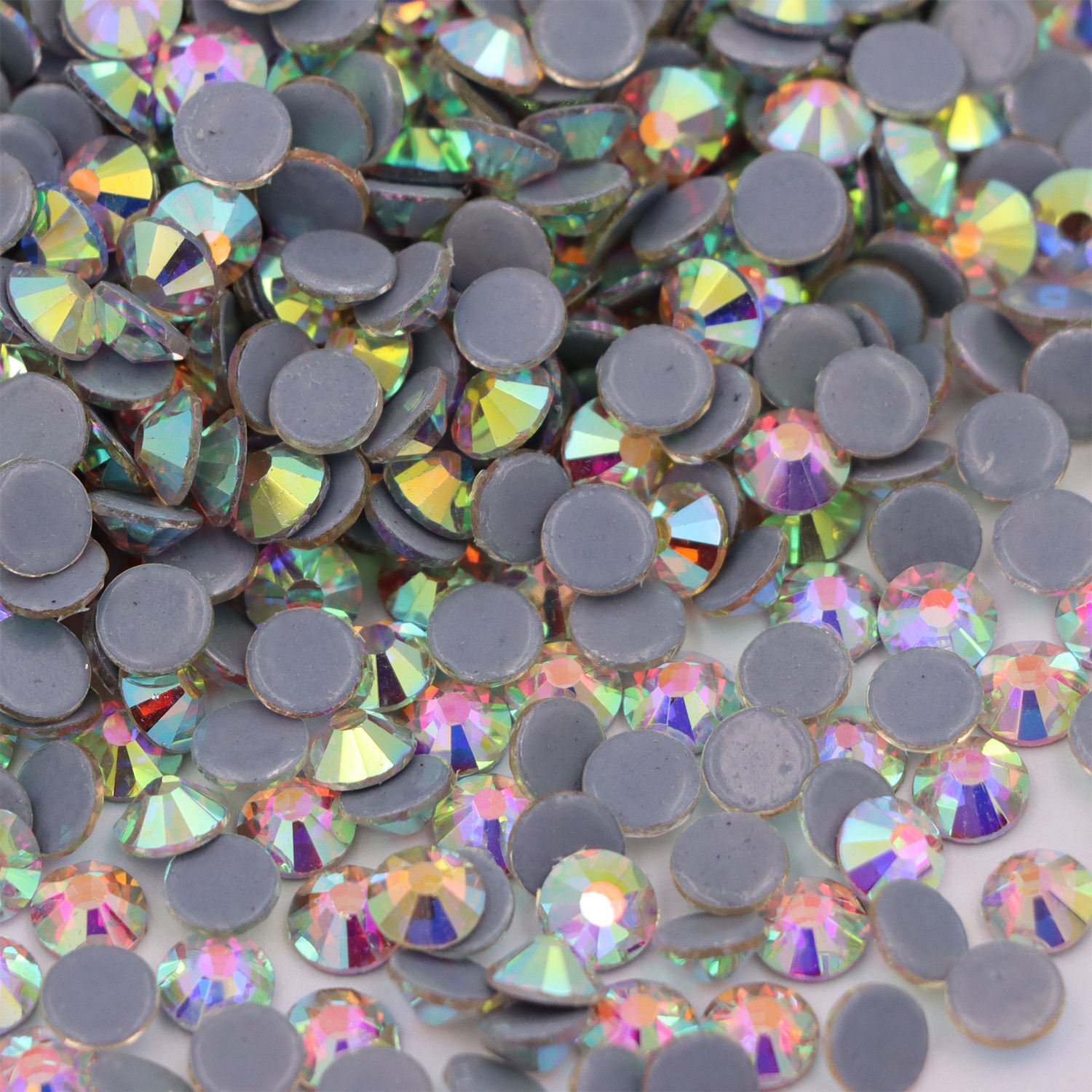
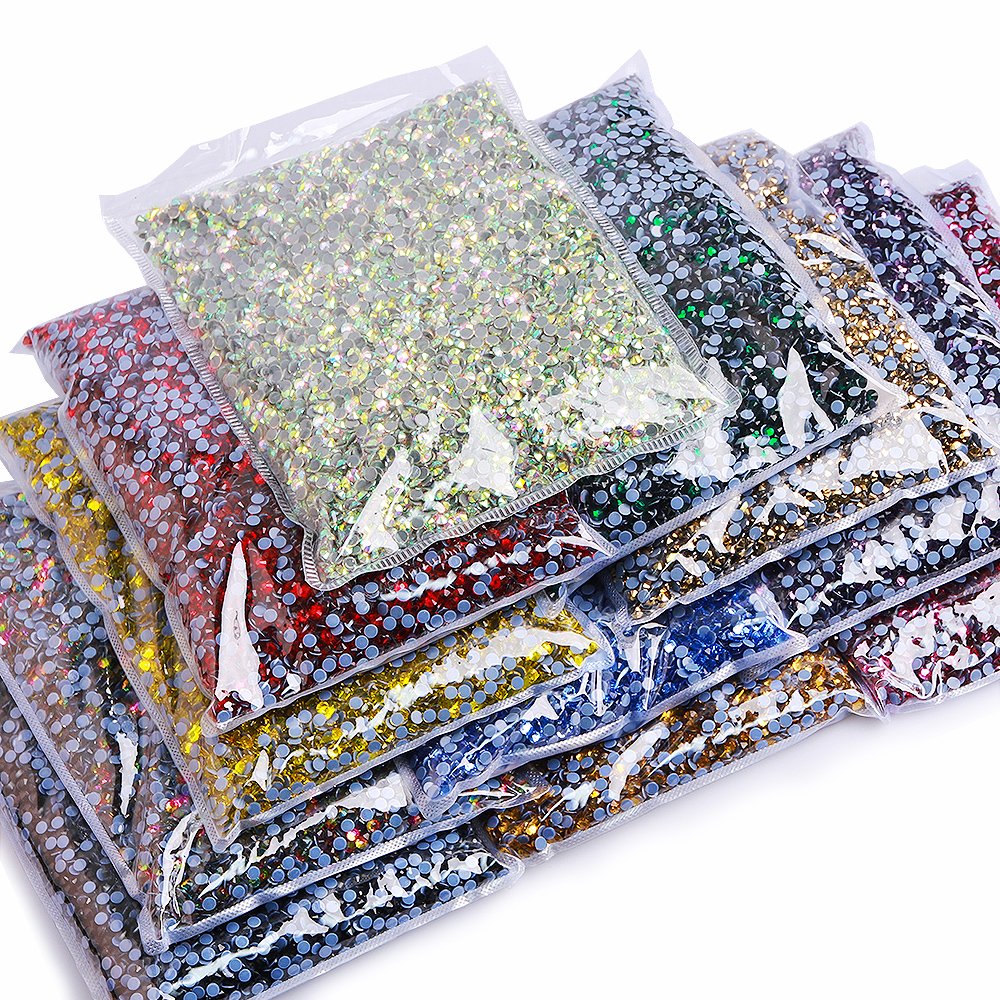
Rhinestones cost a fraction of a cent per piece at factory volume and several cents per piece at retail, with the gap driven almost entirely by the material grade and the supply chain. Our Guangzhou factory sells hotfix K9 glass stones by the pack, with a pack of SS16 holding around 1,440 pieces, and the minimum order is just two packs per color and size. At that MOQ a buyer pays pennies per stone, while the identical-looking acrylic stone at a craft chain can cost ten times more per piece. The honest answer to how much rhinestones cost is that the price collapses once you buy from the manufacturer instead of the middleman.
How much is a gross of rhinestones?
A gross is 144 pieces, so the price of a gross of rhinestones is simply 144 times the per-piece rate, and at factory pricing a gross of SS16 K9 stones costs well under a dollar. The confusion around the gross is that it is a counting unit, not a package size, and no factory actually ships stones in gross units because a pack holds ten gross at 1,440 pieces. When you see “gross” on an old invoice or a vintage rhinestone listing, the seller is counting by the 144-piece unit, and converting that to modern pack pricing is just a matter of dividing by ten.
How many rhinestones are in a gross?
A gross is exactly 144 rhinestones, and it comes from the old twelve-by-twelve counting system where twelve dozen make one gross. This unit survives in the rhinestone trade because it was the standard wholesale count for loose stones sold to milliners and dressmakers a century ago. Modern factories like ours standardize on the pack instead, with one SS16 pack containing 1,440 stones, which is ten gross. Knowing how many rhinestones are in a gross lets you read historical pricing and vintage supply lists without overpaying on a modern quote.
How many rhinestones do you need per square foot?
Full rhinestone coverage takes about 576 pieces of SS16 per square foot, which means every square foot of dense crystal work costs roughly 0.4 of a pack at our standard pack count. That single number is the foundation of every accurate rhinestone budget, because you can measure a garment panel, multiply by 576, and arrive at a stone count before you ever ask for a quote. Partial coverage drops the number sharply: a wedding dress bodice uses two to five thousand stones total, a full dance costume runs fifteen to thirty thousand, and a swimwear detail uses five hundred to two thousand. The per-square-foot figure keeps those project counts grounded instead of guessed.
What is the rhinestone price per carat?
The rhinestone price per carat is a unit that does not apply to glass rhinestones, because carats measure gemstone weight and rhinestones are priced by piece and by size in millimeters. A carat is 200 milligrams, a meaningful measure for diamonds and sapphires but meaningless for glass stones sold by the pack. When a seller lists a rhinestone price per carat, they are usually applying jewelry terminology to costume stones, and you are better off asking for the per-piece and per-pack rate in a specific SS size. Our sizes run SS6 at 2.0 millimeters through SS30 at 6.4 millimeters, and every quote we give is per pack in one of those sizes.
How much is a rhinestone worth?
How much is a rhinestone worth depends entirely on the material, and the gap between K9 glass and acrylic is the single biggest factor in value. K9 optical glass reads a refractive index around 1.9 and is cut with twelve to fourteen facets, while acrylic reads 1.49 and is often molded with eight facets or fewer, and that difference is visible from across a room. A K9 stone is worth the premium because it holds its fire through fifty machine washes and does not cloud, while an acrylic stone dulls and sheds after a handful. Worth, in other words, is not the sticker price but how the stone looks after the customer has actually worn the garment.
Is rhinestone jewelry worth anything?
Rhinestone jewelry is worth something to the buyer who wants the look without the gemstone price, but it is not an investment the way fine jewelry is. Vintage signed rhinestone pieces from the 1930s through 1950s can hold collector value, especially pieces by named costume houses, but modern unbranded rhinestone jewelry resells for a small fraction of its retail price. The materials explain why: the glass itself is inexpensive at factory volume, and the value in a rhinestone piece is the setting work and the design, not the stone. If you are buying rhinestone jewelry to resell, price the craftsmanship, not the carat count.
How much is rhinestone glue?
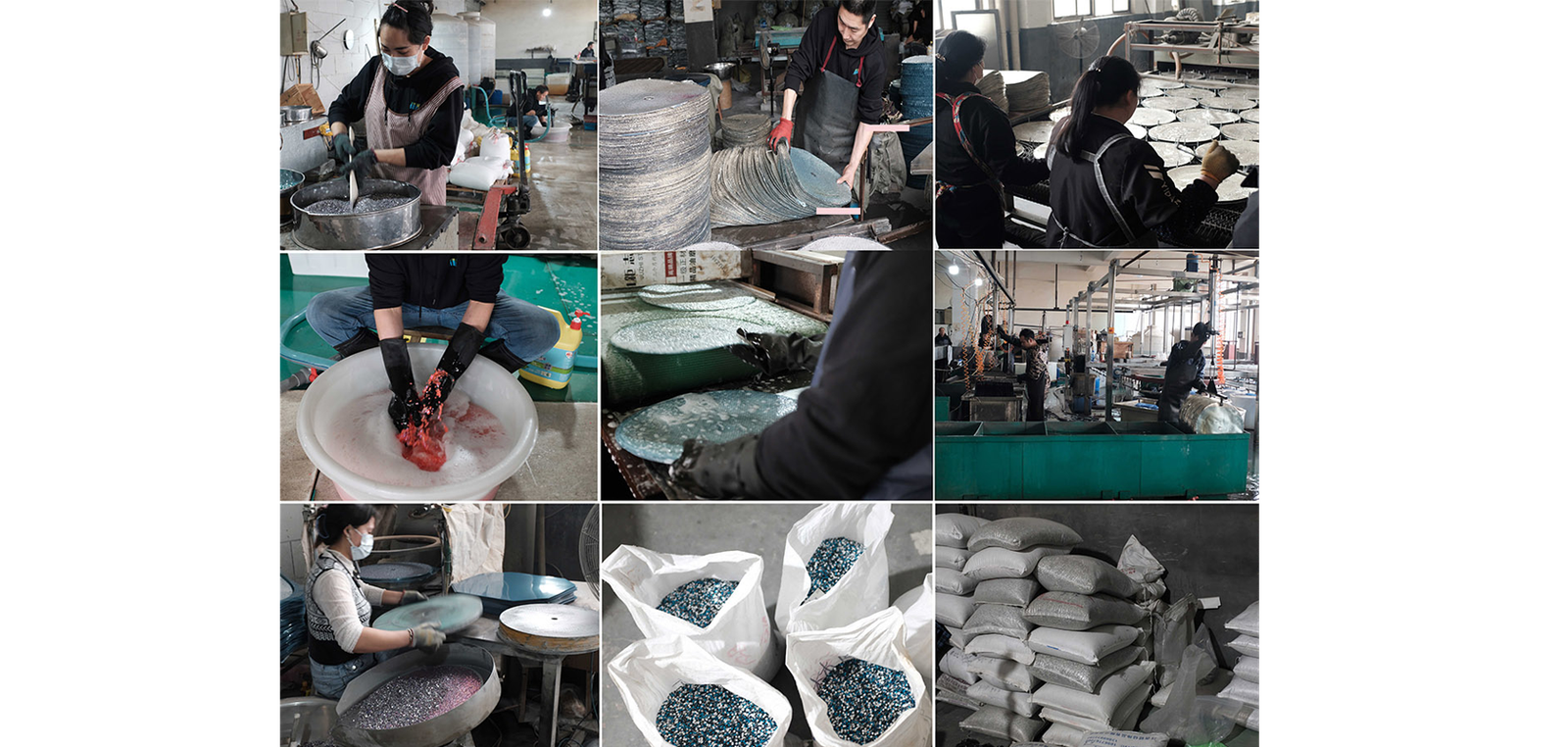
Rhinestone glue for hand application runs a few dollars per tube at craft retail, but the glue cost that matters in production is the hotfix adhesive already fused to the back of the stone. Our hotfix stones carry German gray glue that melts between 150 and 170 degrees Celsius and bonds in a heat press, and that adhesive is baked into the per-pack stone price rather than sold separately. Hand-applied cold glue costs you labor and drying time, while hotfix glue costs you nothing beyond the stone price and bonds in about fifteen seconds under a press. For a production line, the hotfix route almost always wins on both cost and durability.
Why does a rhinestone’s size change its price?
Larger stones cost more per piece because they use more glass, but the per-square-foot coverage cost changes in the other direction, since bigger stones cover area faster. SS16 at 4.0 millimeters covers a square foot with 576 pieces, while the smaller SS6 at 2.0 millimeters takes more pieces to cover the same area and can end up costing more per finished panel despite a lower per-piece price. The per-carrier cost also matters for hotfix work, because more stones means more press cycles. When you compare stone sizes, quote the cost per finished square foot, not the cost per piece, and the trade-off becomes clear.
How much do rhinestones cost per pack across different sizes?
Rhinestone pricing rises with size because larger stones use more glass, but the pack count drops as the size goes up, so the cost comparison is not linear. A pack of SS6 at 2.0 millimeters holds far more stones than a pack of SS30 at 6.4 millimeters, and the per-pack price of the SS30 is higher because each stone is heavier even though the pack holds fewer pieces. The number that matters for budgeting is the cost per square foot of coverage, which evens the comparison out, and a buyer who only looks at per-pack price will misjudge which size is actually cheaper for the finished look.
How do you budget a rhinestone project?
Budget a rhinestone project by measuring the covered area, multiplying by the stones-per-square-foot for your chosen size, then adding the press time and a waste allowance of around five percent. A wedding gown with two to five thousand SS16 stones uses three to four packs at our pack count, while a full dance costume of fifteen to thirty thousand stones uses eleven to twenty-one packs. The stone cost is usually the smallest line item; the labor of setting and pressing is where projects run over. That is why factories sell hotfix stones ready to press, cutting the hand-gluing step that turns a two-hour job into a two-day one.
How much do rhinestones cost for a full dance costume?
A full-coverage dance costume uses between fifteen and thirty thousand stones, and at our pack count of 1,440 stones per SS16 pack that comes to eleven to twenty-one packs per costume. The stone material cost for a fully stoned competition dress is therefore modest at factory pricing, usually far less than the fabric and labor around it, which is why dance studios that buy direct can afford full coverage where craft-store buyers can only afford accents. The number to watch on a dance project is not the stone cost but the press time, because thirty thousand placements, even at seconds each, add up, and the stone price is rarely the line item that blows the budget.
How does K9 glass compare to acrylic on price?
K9 glass costs more than acrylic per piece, but the gap closes once you account for replacements and returns. Acrylic stones are cheap to buy and expensive to own, because they scratch, cloud, and shed after five washes when the yellow glue fails below 130 degrees Celsius. K9 glass on German gray glue survives a fifty-cycle ISO 6330:2021 wash with under 2 percent loss, which means a garment decorated once stays decorated. For a brand selling to customers who will wash the item, the K9 stone is the cheaper choice over the life of the product, even though the invoice line looks higher on day one.
Why is the per-pack price the number to compare?
The per-pack price is the number to compare because it locks down the size and the count in one figure, where per-piece quotes hide rounding and carat quotes hide the fact that you are not buying gemstones. Two suppliers can both quote “SS16” and still deliver different pack counts if one pads or shrinks the pack, so the useful comparison is price per thousand stones in a stated size, not a headline unit that is easy to game. Ask every supplier for the per-pack price, the stones per pack, and the pack minimum, and the three numbers together tell you the true landed cost before shipping is even discussed.
Why do bulk orders lower the per-stone price?
Bulk orders lower the per-stone price because the fixed costs of color sorting, quality inspection, packing, and export paperwork spread across more stones, and because a factory schedules a full production run for a large order instead of a partial one. The tariff also lands more gently at volume, since a US duty that is MFN-free plus a Section 301 surcharge on Chinese-origin goods on a large shipment is proportionally the same but the freight cost per stone shrinks sharply. Our two-pack minimum per color and size is deliberately low so a buyer can sample cheaply, but the real per-stone savings show up when a studio moves from two packs to a hundred, at which point the price per stone drops to the level brands actually pay.
Get a bulk rhinestone price list for your next project
The number you need before you order is the per-pack price in your SS size, not a per-piece retail rate or a carat figure. Our Guangzhou factory quotes by pack, with a pack of SS16 holding 1,440 stones and a minimum order of two packs per color and size, so you can sample an entire color range without committing to volume. Air freight to North America lands in five to seven working days and sea freight in eighteen to twenty-five, with a 30 percent T/T deposit to start. For the current per-pack pricing across SS6 through SS30, a per-square-foot cost breakdown for your specific design, or glue and wash-test data, message our team on WhatsApp at +86 13692450325 or email rhinestonewholesale8@gmail.com and we will send a quote within twelve hours.
Need a size or color recommendation for your next order? Send us your fabric type, design, and target price — we reply within one business day. WhatsApp +86 13692450325 · rhinestonewholesale8@gmail.com