
The Best Alternatives to Heat Transfer Vinyl (HTV) for Apparel Decorators
For the past decade, Heat Transfer Vinyl (HTV) has been the undisputed king of entry-level apparel decoration. Whether you are a hobbyist with a Cricut or a small shop with a Graphtec, HTV has provided a low-cost, accessible way to create custom t-shirts, hoodies, and accessories. However, as the custom apparel market becomes increasingly saturated, many decorators are finding themselves stuck in a “race to the bottom” on price. When everyone on Etsy and at the local craft fair is selling a flat HTV shirt for $20, how do you stand out? How do you increase your margins without simply working more hours? For the full sourcing criteria, our guide to high-volume eco-friendly OEKO-TEX certified rhinestones breaks down every check.
The answer lies in exploring alternatives to Heat Transfer Vinyl that offer higher perceived value, better durability, and superior aesthetics. In this comprehensive guide, we will explore the landscape of apparel decoration and why moving from flat HTV to premium 3D alternatives—specifically hotfix rhinestones—is the smartest move for B2B apparel businesses in 2026.
The HTV Dilemma: Why Decorators are Looking for Alternatives
HTV is great for beginners, but it has several inherent limitations that can stifle the growth of a professional apparel business. First and foremost is the perceived value. HTV is inherently “flat.” No matter how high-quality the vinyl is, it remains a two-dimensional sticker applied to a garment. In the eyes of the consumer, flat equals “standard.”
Secondly, the labor-intensive nature of weeding is a major bottleneck. If you have a complex design with fine lines or a multi-color logo, you might spend 15 to 20 minutes just weeding a single shirt. When you factor in the cost of labor, your “cheap” material suddenly becomes very expensive in terms of time. Furthermore, HTV has a finite lifespan. After 20-30 washes, even the best vinyl can begin to crack, peel, or fade, leading to customer dissatisfaction in the long run.
Finally, there is the issue of market saturation. Because the barrier to entry for HTV is so low (anyone can buy a $200 cutter and a $150 heat press), the market is flooded. To grow, you need to offer something your competitors can’t easily replicate.
Alternative 1: Direct-to-Film (DTF) – The Current Industry Darling
In the last three years, Direct-to-Film (DTF) has taken the industry by storm. It solves the weeding problem by printing designs onto a special film, which is then powdered with adhesive and heat-pressed onto the garment.
The Pros of DTF
The Cons of DTF
While DTF is a fantastic tool, it is still a “flat” decoration method. It can also have a “plasticky” feel if the print is too large, leading to poor breathability. Additionally, for small shops, maintaining a DTF printer is a nightmare of clogged heads and white ink circulation issues. If you aren’t printing every single day, the equipment can become a liability rather than an asset.
Alternative 2: Screen Printing – The High-Volume Standard
For orders of 50 pieces or more, screen printing remains the gold standard. It offers the best durability and the lowest cost per unit for bulk orders. However, for the average custom decorator focusing on personalized items or small boutique runs, screen printing is often impractical.
The setup time for screen printing—burning screens, mixing inks, aligning the press—can take hours. If a customer wants just five shirts, the setup cost alone makes it unaffordable. This is why many shops use HTV for “onesies and twosies” and screen printing for “hundreds,” leaving a massive gap in the “premium small-batch” market.
The Ultimate Alternative: Hotfix Rhinestones (The 3D Powerhouse)
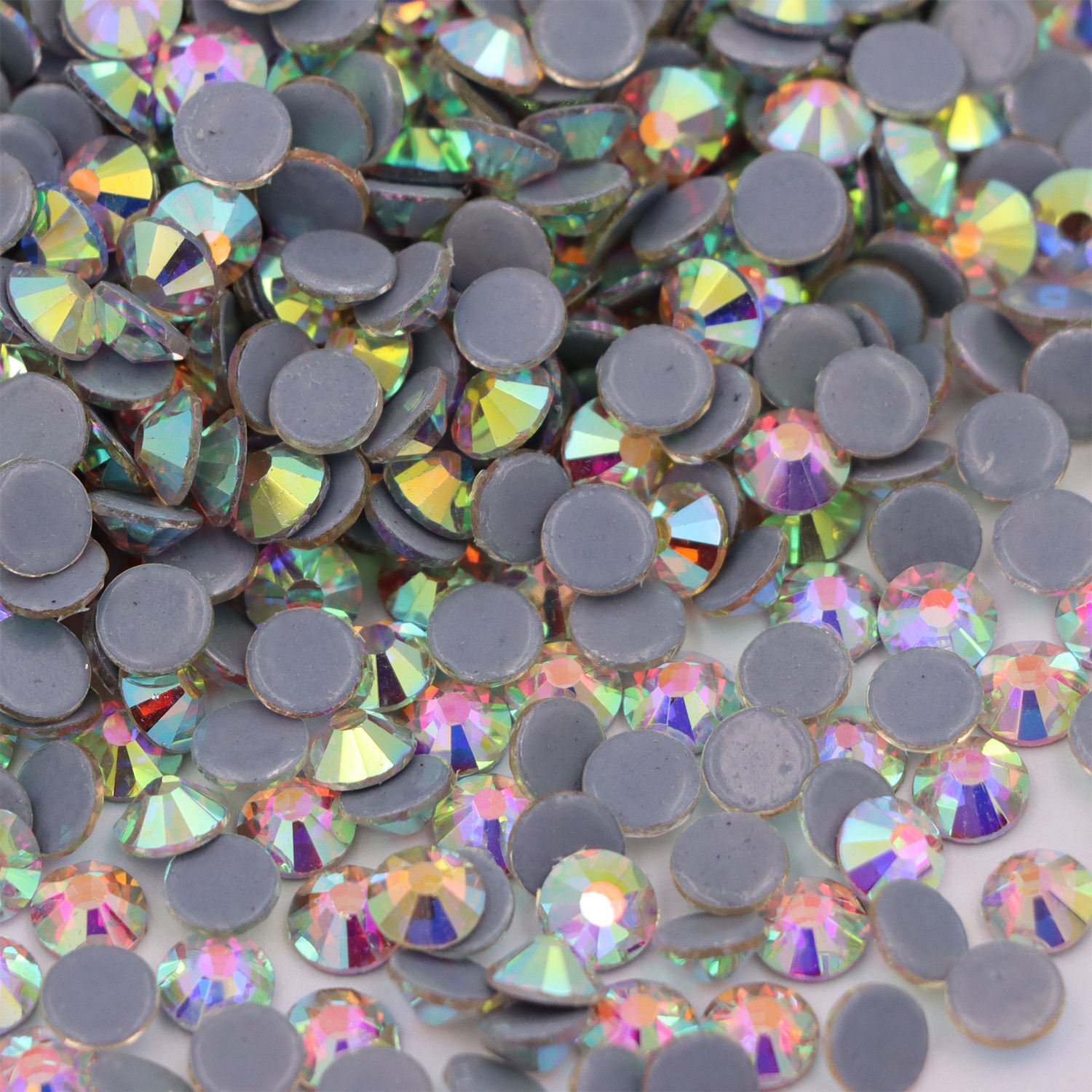
If you want to truly separate yourself from the “vinyl crowd,” you must move into dimensional decoration. This is where hotfix rhinestones shine—literally. Rhinestones offer something that HTV, DTF, and screen printing cannot: 3D texture, light reflection, and a premium “jewelry” feel for clothing.
The Psychology of the “Bling” Factor
Humans are naturally attracted to shiny objects. A rhinestone-decorated garment doesn’t just look like a shirt; it looks like a high-end fashion piece. This psychological shift is crucial for B2B manufacturers and retailers. A customer who would hesitate to pay $25 for an HTV shirt will happily pay $50 or $60 for a custom rhinestone design. The perceived value of rhinestones is exponentially higher than the cost of the materials.
Efficiency: Why Rhinestones are Faster Than You Think
Many decorators avoid rhinestones because they think it’s a slow, manual process. This is a myth. With modern rhinestone template software and a standard vinyl cutter, you can create “brushes” that allow you to fill a 500-stone design in less than 60 seconds. Unlike weeding vinyl, where you are removing waste, with rhinestones, you are simply “brushing” the stones into pre-cut holes in a template. Once the stones are in place, you apply transfer tape, and you’re ready to press. The full technical picture of how rhinestone transfers are specified, produced and applied is in our rhinestone transfer guide.
Direct Comparison: HTV vs. Hotfix Rhinestones
Let’s look at a concrete comparison of these two methods for a standard “Spirit Wear” logo for a local high school cheer team.
1. Perceived Value and Pricing
An HTV logo is standard. It’s what parents expect. Because it’s expected, they aren’t willing to pay a premium. HTV Retail Price: $22.00 Rhinestone Retail Price: $45.00 – $55.00
By switching to stones, you have more than doubled your revenue for the exact same garment. Even if your material costs are slightly higher, your net profit per unit increases significantly.
2. Application Time and Labor
Let’s assume a design with 350 elements (letters and decorative dots). HTV: Cut time (2 mins) + Weeding time (10-15 mins) + Press time (15 secs) = ~17 minutes. Hotfix Rhinestones: Template cut (one-time setup) + Brushing stones (1 min) + Transfer tape (30 secs) + Press time (15-20 secs) = ~2 minutes per transfer after the template is made.
For a batch of 20 shirts, the “Rhinestone Method” is significantly faster than weeding 20 separate HTV transfers. This labor efficiency is where professional shops make their real money.
3. Profit Margin Analysis Table
As the table shows, even though the material cost for rhinestones is double that of vinyl, the reduction in labor and the massive increase in retail price results in a profit margin that is nearly 4 times higher per garment. For a B2B manufacturer in Guangzhou or a decorator in the US/Europe, this is the key to scaling.

The Best Markets for HTV Alternatives
While HTV is great for a “birthday boy” t-shirt, rhinestones and other premium alternatives allow you to enter high-margin niche markets:
Sourcing from Guangzhou: The B2B Advantage
If you are serious about moving into hotfix rhinestones as an alternative to HTV, your supply chain is everything. Guangzhou, China, is the global epicenter for rhinestone manufacturing. Sourcing directly from a Guangzhou-based B2B manufacturer gives you access to quality levels that simply aren’t available at the local craft store.
Understanding Rhinestone Quality Grades
When you transition from HTV, you need to understand that not all “bling” is created equal. To maintain your reputation for high-end apparel, you must choose the right grade:
The Importance of the Glue (Hotfix Technology)
The biggest fear decorators have about rhinestones is that they will fall off. This is where a professional Guangzhou manufacturer proves their worth. High-quality hotfix stones use a grey or black German-engineered adhesive that melts deeply into the fibers of the fabric. Once set correctly with a heat press, these stones are permanent. You can wash them, dry them, and wear them for years—unlike HTV, which may eventually delaminate.
How to Start the Transition: Hybrid Designs
You don’t have to throw away your HTV rolls to start offering rhinestones. In fact, some of the most profitable designs in the industry today are hybrid designs.
By using HTV for the “base” of a design and using rhinestones as “accents,” you can create incredible 3D effects. For example, you might cut a large “Basketball” shape out of orange glitter vinyl and then outline it with crystal rhinestones. This uses the best of both worlds: the coverage and color of vinyl with the premium sparkle of stones. Customers perceive this as a “custom mixed-media” piece, allowing you to charge even more than a stone-only or vinyl-only design.
Technical Tips for Switching from HTV to Stones
If you’re already an HTV pro, the learning curve for hotfix rhinestones is very short. Here is what you need to know:
The Long-Term Business Strategy
In 2026, the apparel decorators who will thrive are the ones who focus on value-added services. Anyone can buy a printer. Anyone can buy vinyl. But not everyone has the skill and the supply chain to offer high-quality, durable, and beautifully designed rhinestone apparel.
By positioning yourself as a “Premium Apparel Decorator” rather than just a “T-shirt Printer,” you attract higher-quality clients. You move away from the price-sensitive customers who argue over 50 cents and move toward the clients who value aesthetics and brand image.
Conclusion: Elevate Your Brand
Heat Transfer Vinyl will always have a place in the shop for quick, simple, and low-cost projects. But if you are looking for the best alternatives to HTV to grow your profit margins and differentiate your brand, hotfix rhinestones are the clear winner.
With their high perceived value, low labor costs (once templated), and incredible durability, rhinestones offer a path to profitability that flat printing simply cannot match. Whether you are a small boutique or a B2B manufacturer, now is the time to embrace the “bling.” Start small with hybrid designs, source your stones from a reputable Guangzhou wholesale partner, and watch your business transform from standard to spectacular.
Remember: In the world of custom apparel, if you aren’t sparkling, you’re just blending in. Make the switch today and start seeing the margins your hard work deserves.
For decorators moving away from HTV, a practical comparison is to run the same 100-piece test design through both methods and measure three things: material cost per piece, production time per piece, and the number of pieces that fail the first wash test. In our experience, the true cost of a transfer method is not the sheet price but the defect rate multiplied by the labor you spent on each garment. DTF and rhinestone transfers both have their place, but the method that wins depends on your run size and your quality standard, which is exactly why a side-by-side trial beats any marketing claim.
Need a size or color recommendation for your next order? Send us your fabric type, design, and target price — we reply within one business day. WhatsApp +86 13692450325 · rhinestonewholesale8@gmail.com