
A Practical Checklist for Launching Your Rhinestone Apparel Brand
Introduction: The Bling Revolution in B2B Fashion
The sparkle of a well-placed rhinestone is more than just a fashion statement; it is a multi-billion dollar industry that spans from high-end couture to local spirit wear. For entrepreneurs looking to break into the apparel industry, a rhinestone-focused brand offers high margins, creative freedom, and a niche market with incredibly loyal customers. However, the transition from a hobbyist “blinging” shirts in a garage to a professional rhinestone apparel brand requires more than just a heat press and a dream. It requires a systematic approach to sourcing, production, and scaling.
In this comprehensive checklist, we will walk you through every granular detail of launching your brand. Whether you are targeting the competitive dancewear market, the booming streetwear scene, or corporate branding, this guide covers the technical and business foundations you need to succeed. From understanding why K9 glass stones are the gold standard to mastering the complexities of wholesale pricing, consider this your roadmap to a successful launch. With the rise of “personalized luxury,” there has never been a better time to start your own rhinestone apparel company.
Phase 1: Market Research and Niche Definition
Before you buy your first bag of stones, you must define who you are selling to. The “spray and pray” method—trying to sell to everyone—is the fastest way to burn through your startup capital. In the world of rhinestones, “niche” is the name of the game. Let’s break down the most profitable sectors:
Identify Your Target Audience
Competitive Analysis
Look at your competitors. Are they using cheap acrylic stones or high-end glass? What is their turnaround time? Most importantly, identify the “pain points” in their customer reviews. If customers complain about stones falling off, your brand’s USP (Unique Selling Proposition) should be “Superior Bond Strength and Industrial-Grade Hotfix Application.” If they complain about the “yellowing” of the glue, your focus should be on “Optical Grade K9 Clarity.”
Phase 2: Sourcing the “the distributor” – The K9 Glass Advantage
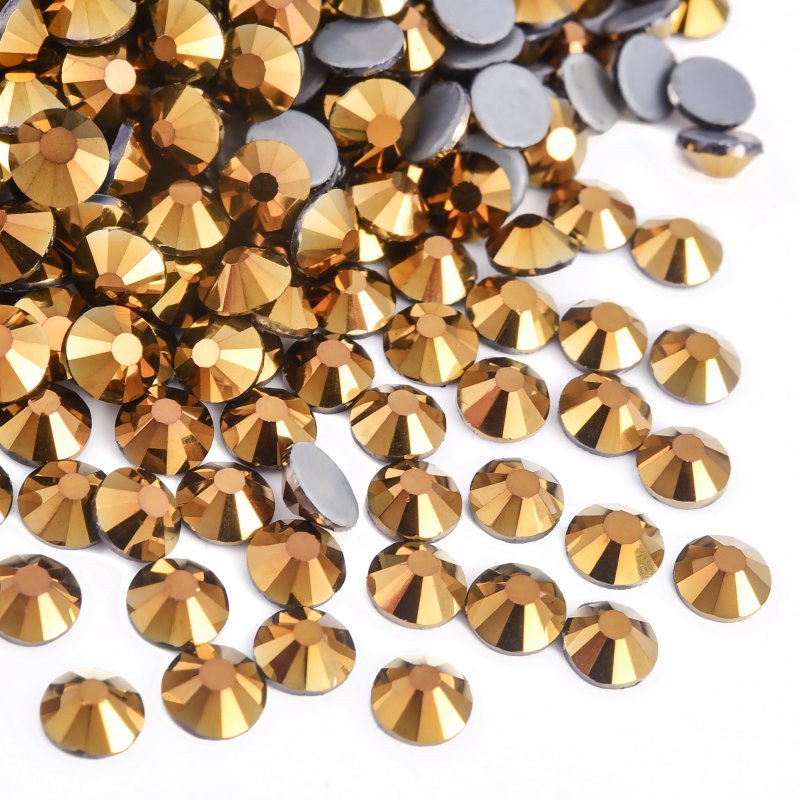
As a professional brand, your reputation is built on the brilliance of your stones. In the world of B2B rhinestone wholesale, specifically out of manufacturing hubs like Guangzhou, you will encounter various grades of stones. For a premium brand, K9 glass rhinestones are non-negotiable. But what exactly are they, and how do they compare to the competition?
The Rhinestone Quality Hierarchy
Why K9 Glass?
K9 glass offers several advantages for the B2B manufacturer:
Finding a Reliable B2B Manufacturer in Guangzhou
When sourcing from Guangzhou, the heart of the world’s rhinestone production, look for manufacturers who provide technical data sheets. You need to ensure the “glue backing” is high-quality. Look for “Grey Glue” or “Green Glue” (often imported from Germany or Italy). This ensures that the stones won’t just look good in the package—they will stay on the fabric forever. Ask for “Lead-Free” certifications if you plan on selling to the US or EU markets (essential for CPSIA compliance in children’s wear).
Phase 3: Design, Software, and Template Creation
Efficiency in rhinestone apparel comes from templates. You cannot manually place 1,000 stones on every shirt if you want to scale a business. You need a system that allows for “Repeatable Brilliance.”
Choosing Your Software
To create custom templates, you need vector-based software. Popular choices include:
The Flocking Process (Your Secret Weapon)
Once your design is digitized, you cut a “template” into rhinestone flock (a fuzzy, thick material) using a vinyl cutter. 1. Cut the template into the flocking material. 2. “Weed” the circles (remove the cut-out holes). 3. Place the template in a tray and “brush” the stones into the holes. The fuzzy surface of the flock catches the stones and flips them right-side up. 4. Lift the stones with heat-resistant transfer tape. This process allows you to create 50 identical transfers in an hour. This is how B2B manufacturers fulfill large orders efficiently.
Phase 4: Equipment Setup – Beyond the Heat Press
A $200 heat press from eBay is fine for a hobby, but for a brand, you need “Industrial Stability.”
The Heat Press
Supporting Tools
Phase 5: Fabric Compatibility and Heat Press Mastery
One of the biggest mistakes startups make is assuming one heat setting works for all fabrics. Rhinestone application is a science of Time, Temperature, and Pressure. If you miss one, the whole batch is ruined.
Fabric Testing Checklist
The “Pillows” and “Teflon” Secret
When pressing garments with seams, zippers, or buttons, use heat-resistant foam pillows. These allow the thick parts of the garment to sink into the pillow, ensuring the heat platen makes direct, even contact with the rhinestone transfer. Always use a Teflon sheet or parchment paper on top of the transfer to protect the fabric and the platen from glue residue.
Phase 6: Quality Control – The “Wash Test” Protocol
In the B2B world, one bad batch can destroy a relationship with a dance studio or a boutique. You must be your own harshest critic. Before shipping a single item, you must perform a stress test.
The 24-Hour Rule
Never wash a garment immediately after pressing. The hotfix glue (ethylene vinyl acetate) needs time to fully cool and “cure” into the fabric. Wait at least 24 hours.
The Industrial Wash Test
Phase 7: Branding, Labeling, and Wash-Care Tags
Your brand is more than just the logo; it’s the professional finish. Custom wash-care tags are essential for rhinestone apparel because of the delicate nature of the embellishments. If a customer washes their $80 rhinestone hoodie with their jeans on a “Heavy Duty” cycle, the stones will suffer. You must educate them.
Creating Effective Wash-Care Tags
The law requires certain information (fiber content, country of origin), but your brand needs to add “Bling Care”:
Phase 8: Pricing Strategies – Wholesale vs. Retail
Pricing rhinestone apparel is tricky because you are selling “perceived value” as much as the physical garment. A plain black hoodie might cost $15, but with $5 worth of rhinestones and 10 minutes of labor, it can sell for $75.
The COGS (Cost of Goods Sold) Formula
To find your base price, use this formula: (Blank Garment Cost + Stone Cost + Labor Time + Overhead) x Markup = Wholesale Price
Phase 9: Compliance and Safety (The Legal Stuff)
If you are launching a brand in the US or EU, you cannot ignore safety regulations, especially for children’s apparel.
Lead Content and CPSIA
Historically, “crystal” rhinestones contained lead to increase their refractive index (shine). However, the Consumer Product Safety Improvement Act (CPSIA) has strict limits on lead in children’s products. 1. Ensure your supplier provides “Lead-Free” stones (usually
Phase 10: Marketing and Launch Strategy
With your product perfected and your pricing set, it’s time to go live. Rhinestones are inherently visual, which means your marketing must be high-energy.
The “Golden Hour” Photography
Rhinestones are notoriously hard to photograph. If you use a flash, you get “flare.” If you don’t have enough light, they look like dull grey dots. – Natural Sunlight: The best light for capturing “fire” in K9 stones. – Video is King: Short-form video (TikTok, Reels) that shows the garment “in motion” under sunlight or stage lights will sell 10x more than a flat, static photo. The “sparkle” needs movement to be captured by the camera.
Influencer Seeding
Send samples to influencers in your niche (e.g., cheer coaches, pageant queens, fitness competitors). One viral video of a high-quality K9 rhinestone jacket can launch your brand overnight. In the B2B space, send a “the distributor Kit” to local dance studios—a sample of their logo in stones vs. print. The visual difference will close the sale for you.
Conclusion: The Path to Scaling
Launching a rhinestone apparel brand is a journey of precision. By focusing on high-quality K9 glass stones, mastering your heat press settings, and implementing a rigorous wash-testing protocol, you build a foundation of quality that will set you apart from the “cheap” alternatives. As you grow, remember that your B2B relationships—especially with your rhinestone manufacturers and garment suppliers in hubs like Guangzhou—are your most valuable assets. Keep your templates organized, your pricing transparent, and your designs sparkling. The world is ready for your brand’s unique shine. With this checklist in hand, you are no longer just a hobbyist; you are a brand owner. Now, go create something that sparkles.
A practical way to validate your launch plan is to run a 200-piece pilot batch on your two best-selling designs before committing to full inventory. Measure three numbers: the wash-test pass rate after 50 cycles, the average application time per garment, and the landed cost per stone at your target order volume. These three figures tell you whether your pricing covers rework, whether your heat press operators can sustain the quality at scale, and whether your supplier’s MOQ aligns with your cash flow. In our experience working with startup brands in Guangzhou, the brands that skip this pilot step are the ones that end up negotiating rushed, expensive changes during peak season.
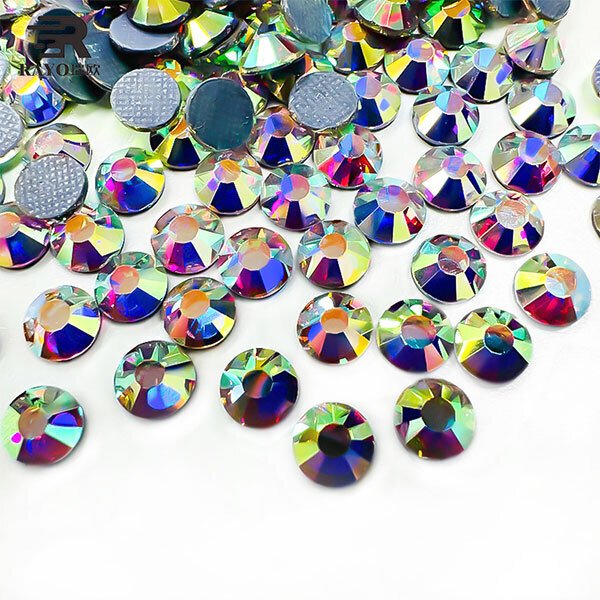
One more consideration that separates successful apparel brands from the rest is their sampling process. Order physical samples of your stones, your transfer film, and your finished embellished swatch before you commit to a production order. A printed color swatch on a screen cannot show how Crystal AB catches light on satin, nor can it prove that your chosen glue survives 50 washes. In our Guangzhou facility we produce sample cards within a few days, so you can validate the exact stones, sizes, and adhesive behavior on your own fabric before scaling. This small step protects your margin far more than any discount a supplier offers on a bulk order you have not yet tested.
Finally, protect your brand name from day one by registering your trademark in the markets you plan to sell, and by documenting every supplier agreement in writing, including MOQ, lead time, payment terms, and quality standards. These details feel like paperwork now, but they become your strongest defense when a supplier dispute or a copycat product appears. The brands that last in this industry are not always the ones with the brightest stones; they are the ones with the clearest contracts and the most consistent quality.
Need a size or color recommendation for your next order? Send us your fabric type, design, and target price — we reply within one business day. WhatsApp +86 13692450325 · rhinestonewholesale8@gmail.com