
Essential Tips for Washing and Caring for Rhinestone Embellished Garments
For fashion brands and wholesale retailers, the brilliance of a rhinestone-embellished garment is its primary selling point. Whether it’s a high-end evening gown, a trendy streetwear hoodie, or intricate athletic wear, those sparkling crystals represent quality, luxury, and attention to detail. However, for a B2B manufacturer in Guangzhou, we know that the longevity of that sparkle depends heavily on one thing: proper aftercare. When a customer’s favorite rhinestone shirt loses its stones after one wash, it’s not just the garment that’s damaged—it’s your brand’s reputation. This comprehensive guide serves as an essential manual for fashion brands seeking to protect their production quality and educate their customers on the art and science of rhinestone maintenance. Washing mistakes are detailed in our 5 mistakes that make rhinestones fall off guide.
Ensuring that your rhinestone garments remain as stunning as the day they left the factory requires a specialized approach to cleaning and maintenance. This guide is designed to help fashion brands, product developers, and retailers understand the best practices for rhinestone care, enabling them to provide accurate care instructions to their end-consumers and preserve the integrity of their products. In the wholesale world, “after-sales” starts with the care label.
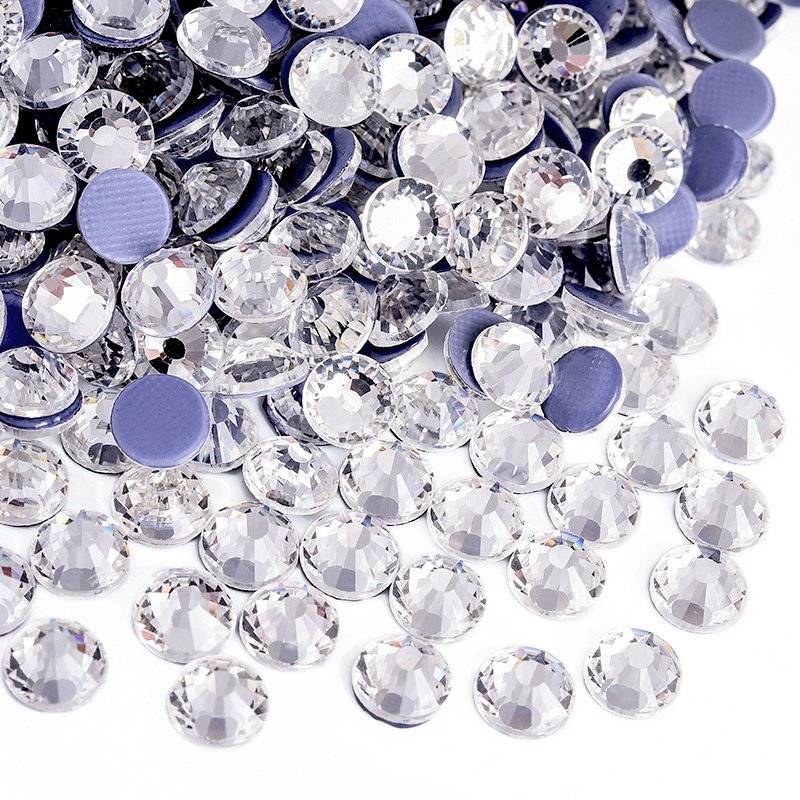
Why Rhinestone Care is a B2B Priority
In the wholesale rhinestone industry, we focus on the “Hotfix” application—a process where heat-activated glue (thermoplastic adhesive) bonds the crystal to the fabric. While this bond is incredibly strong when applied correctly with professional equipment, it is not invincible. It is subject to the laws of chemistry and physics, specifically the reaction of adhesives to heat, friction, and chemicals.
For a fashion brand, providing a clear and comprehensive care label is a form of insurance. It reduces return rates, increases customer satisfaction, and builds trust. If you are sourcing high-quality stones from a Guangzhou wholesaler, you want to ensure the end-user treats them with the respect they deserve. This guide covers every aspect of that treatment, from the chemistry of the adhesive to the mechanical stress of the washing cycle.
1. The Golden Rule: Always Wash Inside Out
If there is one piece of advice that must be on every care label for rhinestone apparel, it is this: Wash the garment inside out. This simple step is the single most effective way to prevent stones from being knocked loose during the cleaning process.
The Physics of Friction
In a standard washing machine, garments are subjected to significant mechanical agitation. As the drum rotates, clothes rub against each other and against the walls of the machine. For a rhinestone, this friction is the enemy. Turning the garment inside out creates a protective fabric barrier. Instead of the crystals scraping against the agitator or other zippers and buttons, they remain tucked safely inside the “cocoon” of the garment itself. This prevents the faceted edges of the glass from acting like an abrasive against other fabrics and protects the delicate foil backing of the stones from being scratched.
Protecting the Edges and Bonds
Rhinestones are most vulnerable at their edges. When another garment (like a pair of jeans with a rough metal zipper) catches the edge of a crystal, it can create enough leverage to peel the stone away from the glue bond. Washing inside out minimizes this risk of “snagging” and keeps the embellishment intact. For complex designs with thousands of tiny stones, this protection is the difference between a garment that lasts one season and one that lasts a decade.
2. Cold Water is Non-Negotiable
Temperature control is perhaps the most critical factor in rhinestone longevity. The glue used in hotfix rhinestones is designed to melt at high temperatures (usually between 120°C and 170°C). While a standard wash cycle doesn’t reach those extremes, warm or hot water can significantly soften the adhesive bond over time.
The “Softening” Effect of Thermal Energy
Even at 40°C (104°F) or 60°C (140°F), some lower-quality adhesives can begin to lose their rigid grip. Over multiple washes, this “softening” allows water and detergent molecules to seep between the glue and the fabric fibers. This process, known as “undermining,” eventually leads to the stone falling off. By mandating cold water washes (30°C/86°F or lower), you ensure the glue stays in its hard, cured state, maintaining a permanent bond. Cold water also prevents the fabric from shrinking, which can pull the fibers away from the glue and cause “stress-shedding” of the crystals.
Protecting Color and Clarity
Cold water is not just better for the glue; it’s better for the stones themselves. Hot water can sometimes cause “clouding” in lower-grade glass or lead to the oxidation of the silver or gold foiling on the back of the stone. To keep the sparkle at its peak, temperature stability is key. Instruct your customers that “Cold” is the only setting they should ever use.
3. Choose the Right Detergent (and Avoid the Wrong Ones)
Not all detergents are created equal. For embellished garments, the chemical composition of the soap can affect the clarity of the crystal and the strength of the glue. As a manufacturer, we see the results of chemical degradation often—it usually manifests as stones that look dull or fall off in “sheets.”
Mild is Best for Glue Integrity
We recommend using a mild, pH-neutral detergent. Harsh chemicals, such as those found in “heavy-duty” or “stain-fighting” formulas, can sometimes contain solvents or high concentrations of surfactants that react poorly with thermoplastic adhesives. Bleach is, of course, strictly prohibited, as it can yellow the glue and dull the foil backing of the stones, killing their “fire” and sparkle. Furthermore, bleach can weaken the fabric fibers that the glue is holding onto, causing the entire bond to fail at the substrate level.
The Danger of Fabric Softeners: A Hidden Enemy
This is a tip many brands overlook: Avoid fabric softeners. Fabric softeners work by depositing a thin layer of lubricating chemicals (usually silicates or fatty acids) onto the fabric fibers to make them feel softer. This coating is detrimental to rhinestones for two reasons:
4. Hand Washing vs. Machine Washing
While hand washing is the gold standard for garment care, we recognize that modern consumers value convenience. Brands must decide what level of risk they are willing to accept on their care labels. If you are selling a $200 hoodie, you should demand hand washing. If it’s a $20 fast-fashion piece, machine instructions are likely necessary.
The Hand Wash Method (Recommended for Premium Collections)
For high-end or heavily embellished pieces, hand washing should be the only recommended method. Fill a basin with cool water and a small amount of mild detergent. Submerge the garment (inside out) and gently swish it. Do not scrub the embellished area, as this can create localized heat and friction that pops stones. Rinse thoroughly with cool water. Do not wring or twist the garment; instead, press it against the side of the basin or lay it on a towel to remove excess moisture. Wringing is particularly dangerous because it stretches the fabric at acute angles, snapping the brittle glue bonds.
The Machine Wash Method (Acceptable for Daily Wear)
If you allow machine washing, the label must specify the “Delicate” or “Hand Wash” cycle. These cycles use slower rotation speeds and less aggressive agitation. Additionally, suggest the use of a mesh laundry bag. Placing the inside-out garment in a mesh bag provides a second layer of defense against mechanical damage and ensures that if a stone *does* fall off, it doesn’t end up damaging the machine’s pump or getting lost in the drum.
5. The Science of Why Heat Destroys Glue
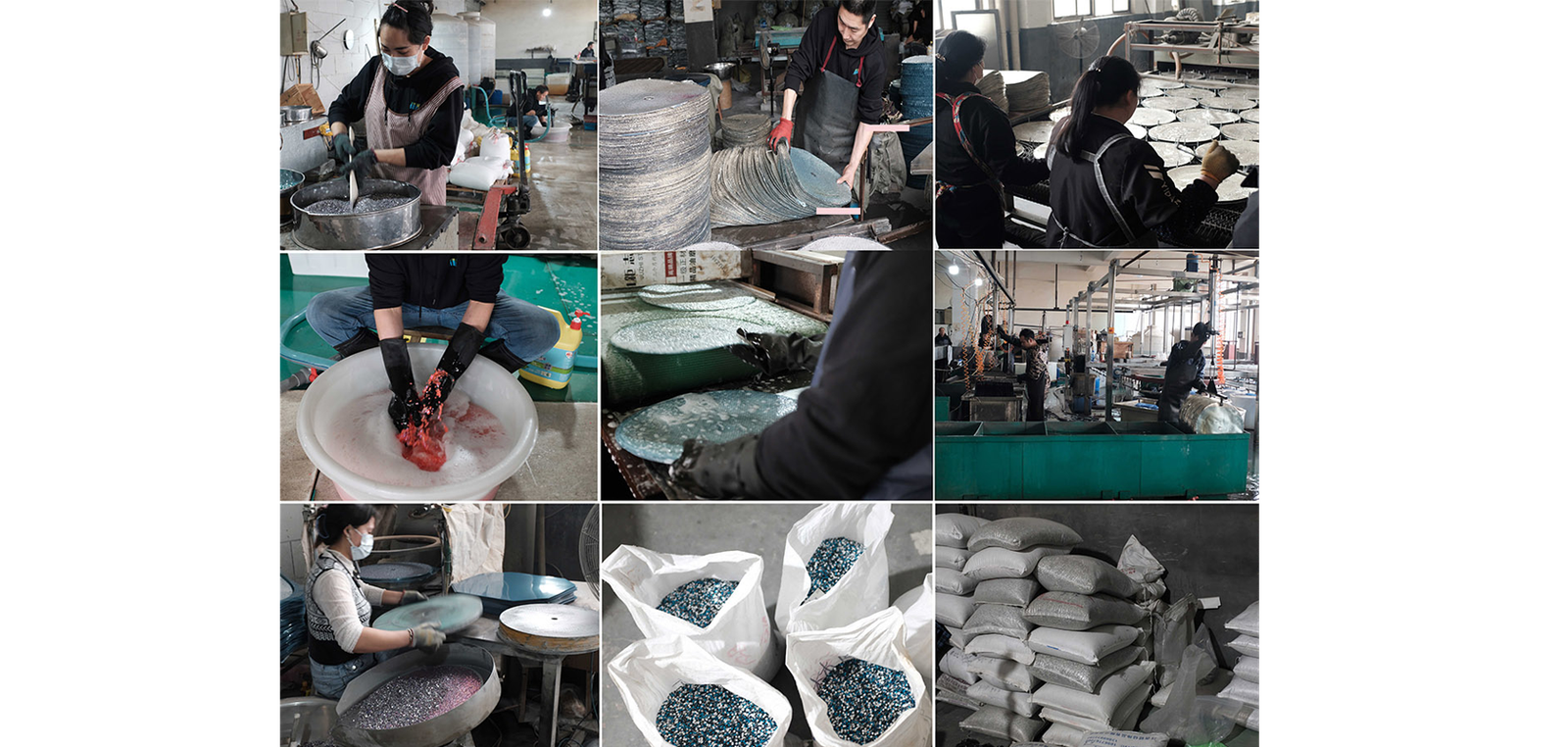
To truly understand why rhinestone care is so specific, one must understand the science of the Hotfix bond. As a leading manufacturer in Guangzhou, we use advanced adhesives that are essentially “hot-melt” resins. These resins are solids at room temperature, become liquid when heated (during the application process), and then re-solidify into the fabric’s weave. This creates a mechanical and chemical “interlock” with the fibers.
This process is reversible. If the glue is subjected to heat again, it enters a “glass transition phase” where it becomes pliable. In a high-heat clothes dryer, the temperature can easily reach 70°C to 80°C. While this is below the initial melting point, it is high enough to make the glue “tacky.” Combined with the tumbling action of the dryer, the stones are virtually guaranteed to migrate, tilt, or fall off entirely. Furthermore, heat can cause the fabric itself to shrink or expand at a different rate than the crystal, creating “shear stress” that snaps the bond. The crystal is rigid; the fabric is not. Heat emphasizes this mismatch.
6. Air Drying: The Only Way to Dry
Because of the science mentioned above, tumble drying is the number one cause of rhinestone loss. Every rhinestone garment care label should explicitly state: “Do Not Tumble Dry. Line Dry or Lay Flat to Dry.” This is the most important “Best Practice” for consumer education.
Laying Flat vs. Hanging: The Weight Factor
For heavy garments like hoodies or sweaters, laying them flat on a clean towel is preferable. Hanging a heavy, wet garment can cause the fabric to stretch under the weight of the water. Since the rhinestones are rigid and the fabric is elastic, this stretching can pull the fabric away from the glue, causing “pop-offs.” For lighter items like t-shirts, hanging is usually fine, provided they are not in direct sunlight.
Avoid Direct Sunlight and Heat Sources
While drying, keep garments out of intense, direct sunlight. UV rays over time can degrade certain types of adhesives and, in extreme cases, affect the color of the stones or the fabric itself. Similarly, never dry a rhinestone garment over a radiator or heater. The direct conductive heat will soften the glue just as surely as a dryer would, leading to a “melted” look where stones slide out of alignment.
7. Ironing and Steaming with Care
Wrinkles happen, but a traditional iron is a rhinestone’s natural enemy. A hot iron placed directly on a crystal will instantly melt the glue, and the stone will likely stick to the bottom of your iron—a disaster for both the garment and the appliance. For B2B clients, this is a common source of customer complaints that can be avoided with proper labeling.
The Steaming Alternative: The Professional Choice
A garment steamer is the safest way to remove wrinkles. However, even with a steamer, caution is required. Do not hold the steamer head directly against the rhinestones for an extended period. The concentrated steam can heat the glue from the backside of the fabric. Use the steamer on the “non-embellished” areas or steam from the inside of the garment briefly to relax the fibers without overheating the adhesive.
Ironing from the Reverse (The Emergency Method)
If an iron must be used, the garment should remain inside out. Use a low heat setting (the “Silk” or “Synthetic” setting) and always use a pressing cloth (a thin piece of cotton fabric) between the iron and the garment. Never apply pressure directly over the embellished area; instead, iron around it. The goal is to get the fabric smooth without allowing the heat to penetrate the glue layer.
8. Storage Tips for Retailers and Consumers
Proper care doesn’t end when the garment is dry. How it is stored can also impact the longevity of the embellishments, especially for high-density designs or large wholesale shipments.
9. B2B Corner: Designing the Perfect Care Label
As a fashion brand, your care label is your communication tool. For garments with Guangzhou-sourced hotfix rhinestones, we suggest the following standardized wording for your labels. This clear communication reduces liability and improves the consumer experience.
The “Do Not Dry Clean” Controversy
Many brands assume dry cleaning is the safest route for expensive clothes. However, many dry cleaning solvents (like perchloroethylene) are chemically aggressive. They can dissolve or swell the thermoplastic glues used in hotfix applications. Unless you have specifically tested your garments with a “rhinestone-safe” dry cleaner, it is safer to advise against it. The heat used in the “pressing” stage of dry cleaning is also often too high for hotfix stones.
10. Troubleshooting: What to do if Stones Fall Off
Even with the best care, life happens. A stone might snag or a bond might fail due to extreme wear. For B2B clients, we often suggest including a small “replacement packet” of stones with high-end garments. This is a common practice in luxury fashion and adds a “premium” feel to the product while solving a potential headache for the customer.
To replace a stone at home, a consumer can use a household iron (no steam, low heat) and press the stone back on using the tip of the iron and a pressing cloth for 10-15 seconds. This “repairability” is a unique advantage of hotfix technology that can be marketed as a sustainability feature—repairing instead of replacing.
11. Understanding the Different Types of Hotfix Adhesives
In our Guangzhou production facilities, we use several types of hotfix adhesives depending on the fabric and the garment’s intended use. Knowing which glue is on your crystals can help you fine-tune your care instructions and manage brand expectations.
Polyamide Glues (PA): The Industry Standard
Polyamide is the workhorse of the rhinestone industry. It is known for its high wash resistance and excellent bond to natural fibers like cotton and some synthetic blends. PA glue has a relatively high melting point, which makes it more resistant to accidentally being softened in a warm wash. However, it is also more rigid, meaning it can crack if applied to highly elastic “spandex” fabrics and then over-stretched. Brands using PA glues should emphasize “Gentle Handling.”
Ethylene-Vinyl Acetate (EVA): The Budget Option
EVA is another choice, often used for promotional or budget-friendly garments. While it is excellent for ease of application and lower heat requirements (saving energy in production), it is generally less resistant to high temperatures in a wash cycle. If your stones use EVA-based adhesives, the “Cold Water Only” instruction becomes even more critical. EVA can start to soften at temperatures as low as 50°C.
Polyurethane (PU) Glues: The Flexible Solution
For athletic wear, leggings, and yoga pants, we often recommend PU-based adhesives. These are more flexible than PA and can withstand the stretch-and-recovery cycles of high-performance fabrics. However, PU adhesives can be more sensitive to chemical softeners and certain detergents, which is why the “No Fabric Softener” rule is non-negotiable for activewear brands. PU glues are also more prone to “migration” if left in a hot car or dryer.
12. Frequently Asked Questions (FAQ) for Rhinestone Care
To help your customer service teams, we have compiled the most common questions end-consumers ask about rhinestone care.
Can I dry clean rhinestone-embellished clothes?
As mentioned earlier, we generally recommend against dry cleaning. The chemicals can dissolve the adhesive bond. Some specialized “Green” dry cleaners use gentler methods, but unless your production team has tested these specifically, the safest label is “Do Not Dry Clean.”
How do I remove a stubborn stain without damaging the stones?
Spot cleaning is your best friend. Use a cotton swab dipped in a very mild, diluted detergent solution. Gently clean the fabric *between* the stones. Avoid using any oil-based stain removers (like dry-cleaning sticks), as oils can seep under the crystals and cause them to peel away. Always rinse the area with a damp cloth afterward to remove any soapy residue.
What should I do if my rhinestones look cloudy?
Cloudiness is usually caused by a buildup of detergent residue, fabric softener, or environmental dust. You can often restore the “fire” of the stones by wiping them gently with a microfiber cloth dampened with a 50/50 mixture of water and rubbing alcohol. The alcohol will help dissolve residues and evaporate quickly without damaging the adhesive bond, provided you don’t soak the fabric.
Is it safe to wash my rhinestone garment with other clothes?
Yes, but with caveats. Always use a mesh laundry bag to prevent the rhinestones from catching on the hooks of a bra, the teeth of a zipper, or the rough texture of denim. Never wash embellished items with heavy items like towels or bedding, which create excessive friction and weight during the spin cycle. The “Inside Out” rule still applies!
Why did my rhinestones fall off on the first wash despite following instructions?
This is usually a manufacturing issue rather than a care issue. Common causes include: Insufficient Heat/Pressure during application: The glue didn’t fully melt into the fabric fibers. This is a common issue with DIY applications or low-end factories. Fabric Treatment: The fabric had a “stiffening” agent or a water-repellent coating (like Teflon) that prevented the glue from bonding. This is why we recommend “Pre-washing” fabric before embellishment in production. Stone Quality: Lower-quality stones often have uneven glue layers on the back. At our Guangzhou factory, we perform “Wash Tests” on every batch to ensure the bond is permanent before shipping to our B2B partners. If you are experiencing this, it might be time to audit your supplier’s quality control.
13. Sustainability and Longevity in Embellished Fashion
In the modern B2B landscape, sustainability is a major talking point. One of the most sustainable things a fashion brand can do is create garments that last. High-quality rhinestones from a reputable Guangzhou manufacturer, when paired with the care instructions in this guide, can last for 50 or more wash cycles without losing their brilliance. This durability is the ultimate form of sustainability.
By educating your customers on proper care, you are reducing textile waste and ensuring that your products don’t end up in a landfill prematurely. A well-cared-for rhinestone piece can even become a vintage heirloom, maintaining its value and sparkle for decades. This “slow fashion” approach, even for embellished streetwear, is a powerful marketing tool for modern, eco-conscious brands. Durable embellishments represent a commitment to craft over convenience.
Conclusion: Your Partnership with Excellence
The journey of a rhinestone-embellished garment begins in a manufacturing facility in Guangzhou, but it lives on in the wardrobes of fashion lovers around the world. As a B2B partner, your responsibility is to bridge the gap between production quality and consumer care. By providing clear, scientifically-backed washing and maintenance tips, you protect the integrity of your designs and the reputation of your brand.
Remember the three pillars of rhinestone care: Cold water, Inside-out washing, and Air drying. These simple steps, when combined with premium hotfix crystals from a trusted wholesale supplier, ensure your collections will continue to shine, wash after wash, season after season. At the end of the day, a garment that stays beautiful is a garment that gets worn, shared, and loved—and that is the ultimate goal of any fashion brand.
Protect your brand’s investment by making these care standards the benchmark of your production line. Your customers—and your bottom line—will thank you for the enduring sparkle.
Thank you for choosing high-quality Guangzhou craftsmanship. We are committed to helping your brand sparkle in every corner of the global market. For more technical guides on rhinestone application and quality control, visit our B2B resource center.
More Guides on Washing and Caring for Rhinestone Garments
This guide covers the full routine. If your question is narrower than that, these go deeper:
- Can you machine wash hotfix rhinestones without losing stones? — what a standard cycle really does to the glue, and the settings that survive it.
- 5 mistakes that make hotfix rhinestones fall off after the first wash — the five failure points that sit upstream of washing.
- Can you dry clean garments decorated with hotfix rhinestones? — solvent versus hand washing, and what to tell your dry cleaner.
- 6 mistakes that cause hotfix rhinestones to lose their brilliance — why stones can look dull before the first wash.
Need a size or color recommendation for your next order? Send us your fabric type, design, and target price — we reply within one business day. WhatsApp +86 13692450325 · rhinestonewholesale8@gmail.com