
China Wedding Dress Factory Direct Wholesale Supply From Guangzhou
Every year, tens of thousands of bridal boutiques, online stores, and independent designers buy gowns from workshops packed into one corner of Guangzhou. The Jiangnan wedding dress district alone holds hundreds of small factories that cut, bead, and pack dresses destined for shops from Manchester to Melbourne. If you have been buying through a middleman and watching your margin shrink, the fix is simple: get closer to the source. A china wedding dress factory in Guangzhou can cut your unit cost by 30 to 50 percent on most styles, but only if you know how to qualify a supplier, structure a minimum order, and time your shipping so goods land when you need them.
Where is the best place to buy wedding dresses wholesale in China?
The Guangzhou wedding dress market is the largest concentration of bridal manufacturing in China, centered on the Jiangnan area and the surrounding wholesale streets. That is where hundreds of workshops run side by side, each specializing in a narrow niche such as lace gowns, ballgowns, or crystal-embellished bodices.
When buyers talk about a guangzhou wedding street, they usually mean the rows of showrooms around Jiangnan Dadao and the back-alley workshops behind them. You can walk from one stall to the next comparing beading quality, fabric weight, and stitching without booking appointments. Many of these stalls are run by the same families that own the factories a few blocks away, which means you are often negotiating directly with the people who cut and sew the dress. That direct access is what makes Guangzhou different from trade-show-only sourcing, where a sample may not match the mass-produced piece you receive later.
If you shop for wedding dresses in this district, plan at least two full days. The first day should be for browsing and collecting price quotes, the second for visiting the workshops behind your shortlisted suppliers. Bring a fabric swatch, a clear reference photo, and a realistic target price. Suppliers respond far better to a buyer who knows the spec than to someone who asks for “something nice.”
How do I find a reliable China wedding dress factory?
Start by checking how long the factory has been registered and whether it actually owns the workshop where it claims to produce. A reliable Chinese wedding dress factory will show you its production floor without hesitation, will answer questions about beading density and fabric sourcing, and will offer a written spec sheet for each style you order.
Three checks separate serious suppliers from trading companies. First, ask for the business license and cross-check the address against the factory tour you are offered. Second, request a sample made to your exact spec, not a stock sample off the shelf. Third, ask about their typical export documents, including the packing list and commercial invoice format, because a factory that ships internationally every week will produce these without blinking. A trader that has never handled export will stall on simple paperwork questions.
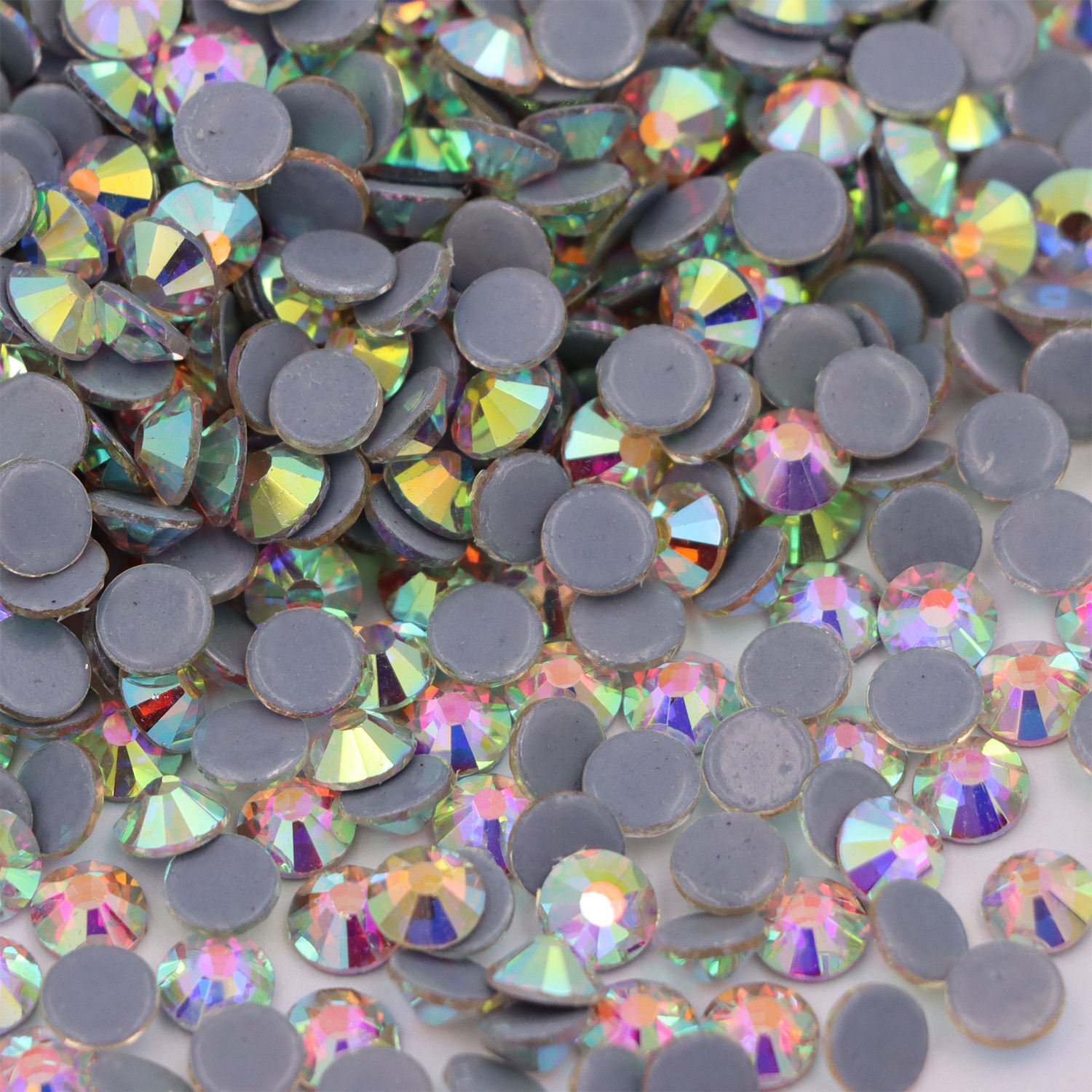
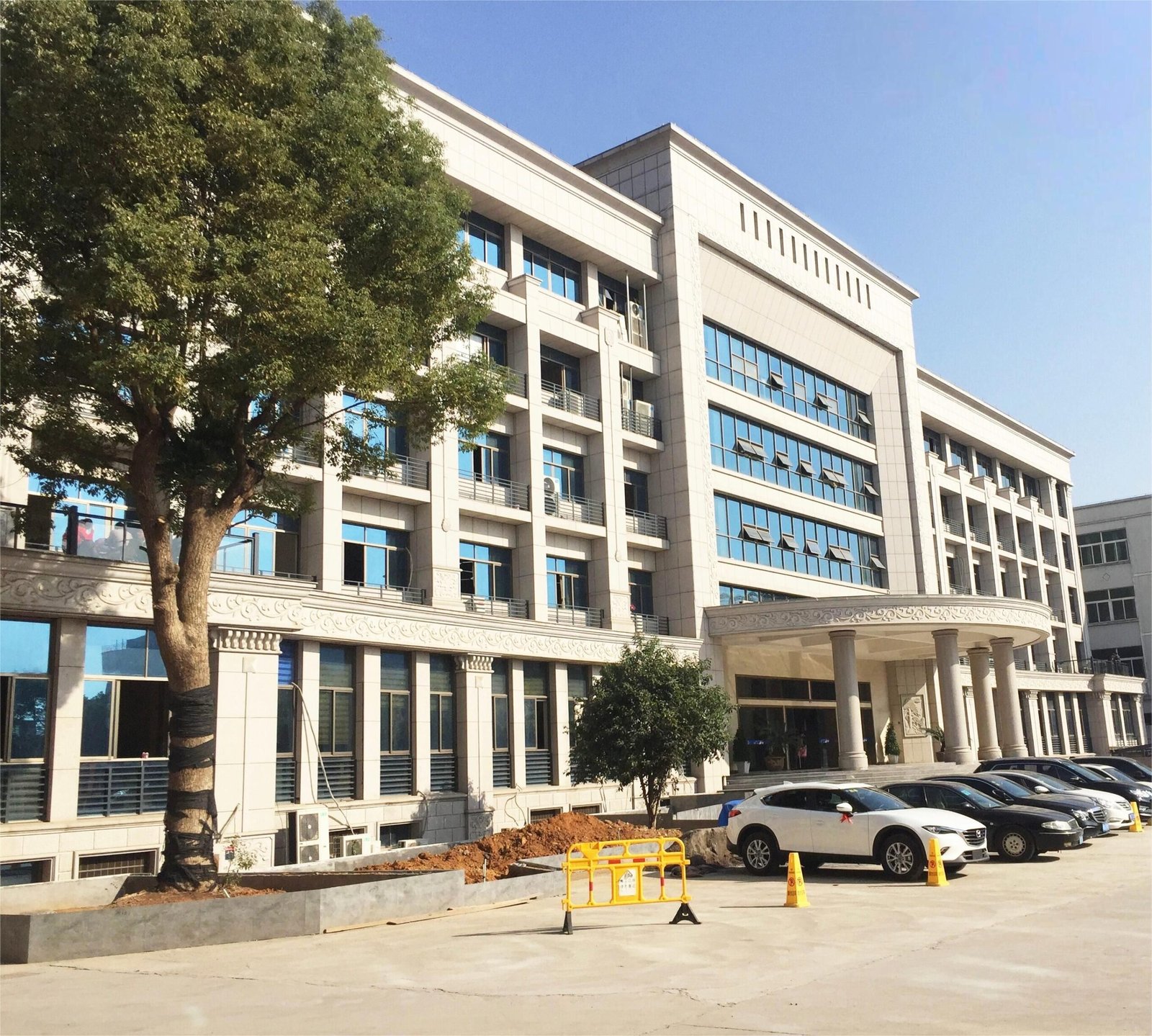
Many buyers also ask about crystal and rhinestone work, since a large share of Guangzhou gowns are hand-set with stones. This is where working with a specialist matters. Guangzhou Yiben E-Commerce Co., Ltd. has spent 12 years manufacturing hotfix rhinestones in K9 optical glass, and the same stones end up on bridal bodices across this district. Knowing your crystal source gives you one fewer middleman and tighter quality control on the most visible part of the dress.
What is the minimum order quantity for a Chinese wedding dress factory?
Most Guangzhou wedding dress factories quote a minimum order quantity of 20 to 50 pieces per style, with lower minimums available on simple silhouettes and higher ones on heavily beaded or lace-heavy designs. Crystal and rhinestone trim is usually the variable that pushes a small order’s price up, because hand-setting takes labor.
If your order is below the factory’s floor, you still have two options. You can buy stock dresses at a slightly higher unit price with no minimum, which works well when you are testing a market. Or you can order plain gowns and add rhinestone work yourself, which is exactly why so many small bridal brands buy hotfix stones separately. Our rhinestone MOQ sits at two packs per color and size, roughly 1,440 pieces per pack at SS16, so a designer can stock enough stones for dozens of bodices without committing to a full container of finished dresses.
How much does it cost to buy wedding dresses from a factory in China?
Factory prices in Guangzhou run from about $30 to $90 per dress for basic satin and chiffon styles, $90 to $250 for lace and beaded gowns, and $250 and up for fully hand-beaded or crystal-covered pieces. Those are ex-factory prices before freight, duty, and any customization fees are added.
Rhinestone density is one of the biggest cost drivers. A wedding dress with partial crystal work uses between 2,000 and 5,000 stones, and at retail those stones would add up fast. Buying the same stones from a manufacturer at wholesale cuts that cost sharply, which is why many designers source fabric and structure from one supplier and crystals from another. When you compare two quotes, always ask what grade of stone is included. K9 optical glass with a German grey glue backing costs more per piece than acrylic with a yellow glue, but it survives 50 machine washes at under 2 percent stone loss, where cheap acrylic can shed over 30 percent after five. The cheaper dress is not cheaper if half its crystals are gone after the first dry-clean.
How do traditional wedding dresses in China affect the price?
Traditional wedding dresses in China, from embroidered qipao-style gowns to red and gold ceremonial pieces, cost more per piece than plain Western styles because the embroidery and metallic work are labor-intensive. The red gown, in particular, remains a strong seller for overseas Chinese communities and for buyers stocking Lunar New Year and cultural ceremony lines.
Quality varies far more in this category than in Western white gowns, so request a close-up video of the embroidery before you commit. Goldwork that looks crisp in a photo can be machine-finished and loose in person. Ask whether the metallic thread is tarnish-resistant and whether the stones are glass or acrylic, then request a small sample lot of the exact trim. A buyer who checks these details once avoids a full shipment of dresses that cannot be sold at the price they need.
How do wedding dresses online shops keep their costs down?
Wedding dresses online shops and stores keep prices low by buying near-wholesale quantities, holding thin inventory, and reordering only what sells. Many of them never touch the goods; the factory drop-ships directly to the customer or to a small fulfillment shelf in the buyer’s country.
This model works because Guangzhou factories have become fluent in single-piece packing, photo-ready presentation, and fast restocking. A clothing designer wedding dresses line can launch with as few as a handful of styles, ordered in mixed colors, and scale by adding rhinestone trim kits rather than new cut-and-sew molds. If you sell bridesmaid dresses wedding gowns online, the same logic applies: hold base gowns, and differentiate them with crystal belts, appliqués, and shoulder accents that you can apply with a home heat press or send to a local seamstress. That keeps your catalog deep without bloating your warehouse.
How long does shipping from a China wedding dress factory take?
Air freight from Guangzhou to North America takes 5 to 7 working days by DHL or FedEx, while sea freight runs 18 to 25 days to the West Coast and 25 to 35 days to the East Coast. Production lead time sits on top of that, usually 25 to 45 days for made-to-order gowns and under a week for stock pieces.
For rhinestone trim, which buyers often consolidate with their dress shipment, the import picture is clean. Glass beads and imitation gems ship under HS code 7018.10, with roughly 6.6 percent US import duty under HTS 7018.10.5000 and about 3.7 percent in the EU. If you are ordering dresses already embellished with crystals, ask your supplier to itemize the stone value on the commercial invoice so you do not overpay duty on a finished garment that should be classified partly as glass beads.
What about wedding dressing gowns and getting-ready robes?
Wedding dressing gowns UK buyers stock for the getting-ready photos have quietly become a repeat-purchase staple, because every bridal party needs them and they wear out or get replaced each season. Guangzhou factories produce satin and cotton robes with embroidery, monogramming, and rhinestone accents in bulk, often at a unit cost low enough to bundle with gown orders.
The smarter play is to order plain robes and add the sparkle yourself. A monogrammed satin robe with a small crystal flourish can be produced in volume, but the crystal portion is where a buyer either overpays or saves. Hotfix stones set onto the robe’s belt or cuff give you a premium look without paying a factory’s hand-setting labor. Since robes are washed far less than a gown and pressed at low heat, a medium-firm bond on satin is more than enough to hold through dozens of wears.
How do you negotiate a better price with a Guangzhou factory?
Negotiation works best when you bring three things: a concrete annual volume, a clear spec, and an alternative supplier’s name. Guangzhou vendors quote conservatively on a first inquiry because most first-time buyers never place an order. Tell them your real reorder plan, not an inflated number, because a factory that catches you bluffing will hold the price firm on principle.
Push on cost drivers instead of the headline number. Ask what changes if you switch from hand-set stones to a plain bodice, or if you accept a two-week longer production window, or if you consolidate three styles into one shipping date. Small concessions on timing and trim density usually unlock 10 to 15 percent on the unit price. And always confirm whether the quoted price includes inner labels, hang tags, and poly-bagging, because those small items add up fast when they are billed separately.
—
If you are ready to move your bridal line or rhinestone trim sourcing to Guangzhou, we can help with the crystal side of the equation. Guangzhou Yiben E-Commerce Co., Ltd. manufactures K9 optical glass hotfix rhinestones with German grey glue, offers a two-pack minimum per color and size, and supports OEM color and coating work. Send your style list for a price sheet and a quote within 12 hours. Reach us on WhatsApp at +86 13692450325 or email rhinestonewholesale8@gmail.com.
Need a size or color recommendation for your next order? Send us your fabric type, design, and target price — we reply within one business day. WhatsApp +86 13692450325 · rhinestonewholesale8@gmail.com