
How to Position Hotfix Rhinestones on Velvet Without Crushing the Fabric Pile
Velvet represents one of the most challenging substrates for hotfix rhinestone application due to its structural complexity. Unlike flat cotton or polyester, velvet features a raised surface—the pile—consisting of dense, upright loops or cut threads. When you apply the heat and pressure necessary to melt hotfix adhesive, you risk permanently “branding” the fabric by crushing these fibers. As a manufacturer with 12 years of experience in Guangzhou, we have refined the process of bonding our K9 optical glass stones to high-end textiles without compromising the luxurious hand-feel of the base material. For elastic and high-stretch fabrics, the swimwear lycra application guide shows how pressure and temperature change.
What temperature should you use for hotfix rhinestones on velvet
You should use a temperature of approximately 140°C to 145°C when applying hotfix rhinestones to velvet, which is lower than the standard 165°C used for cotton. This lower threshold prevents the synthetic or natural fibers of the velvet pile from melting or becoming scorched while still effectively activating the high-quality German-imported grey hot-melt adhesive.
While our German grey adhesive has a standard melting range of 150-170°C, velvet’s sensitivity requires a more nuanced approach. If you are working with a heat press, you might find that a slightly longer dwell time at 140°C—around 15 to 18 seconds—is more effective than a quick burst at a higher temperature. High heat on velvet often leads to “shining,” a phenomenon where the fibers are flattened so severely that they reflect light differently, creating a permanent, unsightly square or circle where the heat source touched the fabric.
Testing is mandatory. Every roll of velvet reacts differently depending on its fiber content. Silk velvet is the most heat-sensitive, requiring extreme caution, whereas polyester-based velvet can typically withstand slightly more thermal stress. When using a handheld applicator tool, you have more control over the heat placement, but you must still be mindful not to press the metal tip into the surrounding pile. The goal is to melt the glue on the back of the K9 crystal—which has a high refractive index of ~1.9 for maximum brilliance—without transferring excessive heat to the surrounding fabric area.
Does a heat press flatten the velvet texture permanently
A heat press can flatten velvet texture permanently if you use too much pressure or apply heat directly to the pile without a protective buffer. Once the fibers are crushed under high heat, the structural integrity of the loops is compromised, and they may never return to their original upright position, even with steaming.
In our factory production lines, we recommend a “light to medium” pressure setting, roughly 20-25 PSI, specifically for velvet. For context, standard cotton applications often require 40 PSI. The difference is crucial. When you use 40 PSI on velvet, the heat press plates act like a heavy iron, forcing the air out of the pile and fusing the fibers together. If you notice a visible “box” after lifting the press, the pressure was likely too high or the temperature exceeded the fabric’s tolerance.
To mitigate this risk, you can use a “velvet board” or a piece of thick, plush fabric underneath your garment. This allows the pile of the garment to sink into the substrate rather than being crushed against a hard bottom platen. We often see designers use a spare piece of the same velvet, pile-side up, as a base. This technique, known as “pile-on-pile,” helps maintain the texture during the 15-second bonding cycle required for our German grey adhesive.
Can you steam velvet garments decorated with rhinestones
You can steam velvet garments decorated with rhinestones, provided you do so from the underside of the fabric and avoid direct contact between the steamer head and the crystals. Steaming is actually the preferred method for reviving the velvet pile that may have been slightly compressed during the hotfix application process.
The heat from the steam helps the fibers relax and stand back up. However, you must be careful not to overheat the adhesive. Since our German grey adhesive is designed to survive 50+ machine washes and has a high melting point, a light steam pass will not cause the stones to fall off. In contrast, cheap yellow adhesives often melt below 130°C; if you use a powerful industrial steamer on stones with low-quality glue, you might find them shifting or detaching as the steam softens the bond.
When steaming a decorated bridal gown or evening dress, hang the garment and steam from the inside. This allows the moisture to penetrate the fabric backing and lift the pile from the root. Our K9 glass stones have a Mohs hardness of 6-6.5, meaning they are resistant to the minor scratches that might occur during handling, but you should still avoid rubbing the stones while the fabric is damp and the glue is slightly warm from the steam.
What type of velvet works best with hotfix rhinestones
Synthetic velvet made from polyester or nylon blends works best with hotfix rhinestones because these fibers are more resilient to the heat and pressure required for the adhesive bond. Polyester velvet generally has a higher melting point than silk velvet, making it more forgiving during the 150-170°C activation window.
Silk velvet, while luxurious, is notoriously difficult. The natural silk fibers can scorch at temperatures as low as 145°C, leaving yellow or brown marks. Furthermore, the adhesive needs a stable surface to “bite” into. Synthetic velvets often have a tighter weave at the base, which allows the German grey adhesive to penetrate the fabric slightly and create a mechanical bond that survives dozens of wash cycles.
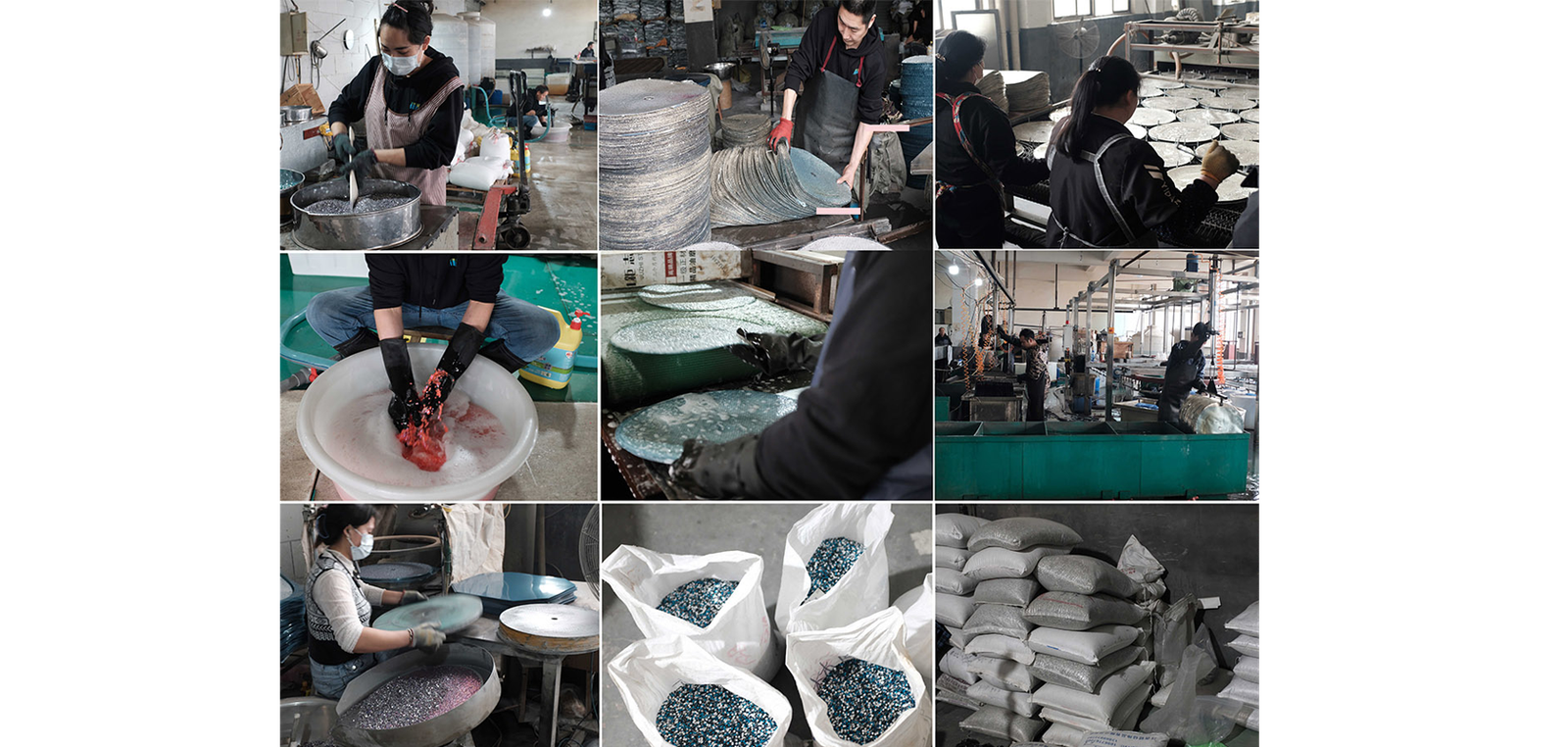
When selecting velvet for a dance costume or high-performance garment, look for “stretch velvet” or “lycra velvet.” These fabrics often contain spandex, which requires specific care (150°C / 30PSI / 12 seconds). Our stones are OEKO-TEX Standard 100 certified, ensuring that they are safe to use on skin-tight garments. The density of the pile also matters; a very long, shaggy pile will make it harder for the rhinestone to sit flat, so we recommend using SS16 (4.0mm) or SS20 (4.8mm) stones which have enough surface area to bridge the gap between the fibers and the base fabric.
How do you protect the velvet pile during heat application
You protect the velvet pile during heat application by using a combination of reduced pressure, specialized padding, and protective transfer sheets. Using a “teflon pillow” inside the garment can help distribute pressure evenly and allow the pile to remain uncrushed by giving it a soft surface to sink into.
Another professional secret is the use of a “stencil” or a thick template. If you are applying a specific pattern, the template itself acts as a height-buffer for the heat press plates, preventing them from coming into full contact with the surrounding velvet. This ensures that only the rhinestones—precision-cut with 12-14 facets for maximum sparkle—receive the direct heat and pressure needed.
We also recommend a “cold peel” method for velvet. After the heat cycle is complete, do not immediately move the fabric or peel off any transfer tape. Let the adhesive fully crystallize and the velvet fibers cool down. This “sets” the bond and allows the pile to stabilize. Because our K9 stones have a density of 2.53 g/cm³, they are heavier than acrylic (1.18 g/cm³) and require that solid cooling period to ensure they don’t shift while the glue is in its semi-liquid state.
Should you use a protective paper layer on velvet
Yes, you should always use a protective paper layer, such as parchment paper or a thin Teflon sheet, between the heat source and the velvet. This layer acts as a thermal barrier that diffuses the heat, preventing the direct metallic heat of the press from scorching the delicate fabric fibers.
A protective layer also prevents any potential “ghosting” or residue transfer. Sometimes, during the heating process, the finish on the velvet or the dye can react with the heat plate. A clean sheet of paper ensures that your fabric remains pristine. When working with our SS6 to SS30 range, the protective paper also helps keep the stones in place if you are not using transfer tape.
For complex designs on velvet, we suggest using a “sandwich” technique: bottom platen, plush fabric buffer, velvet garment, rhinestones, protective paper, and finally the top heat plate. This configuration mimics the professional setups we use in our Guangzhou facility, ensuring that the 160°C working temperature of the German glue is focused on the stone’s base rather than the fabric’s surface.
How long do hotfix rhinestones stay on velvet after application
Hotfix rhinestones applied correctly with German grey adhesive will stay on velvet for over 50 machine washes with a stone loss rate of less than 2%. The longevity depends on the adhesive’s ability to penetrate the velvet’s base weave rather than just sticking to the surface pile.
In contrast, cheap rhinestones with yellow glue often show a 30% loss rate after just five washes because the glue doesn’t create a deep enough bond. Because velvet is a “textured” fabric, the adhesive has to work harder to find a solid anchor. Our German-imported adhesive is specifically formulated to remain flexible once cured, which is vital for velvet garments that are frequently moved, stretched, or worn.
To ensure maximum life, always turn the velvet garment inside out before washing and use a mesh laundry bag. This prevents other items in the wash from rubbing against the K9 crystals. Our stones are lead-free and REACH compliant, making them suitable for high-end boutique wear that demands both durability and safety. Whether you are decorating a stage costume or a luxury cushion, the combination of K9 glass and industrial-grade glue provides a permanent solution that matches the lifespan of the garment itself.
Need a size or color recommendation for your next order? Send us your fabric type, design, and target price — we reply within one business day. WhatsApp +86 13692450325 · rhinestonewholesale8@gmail.com