
The Factory Manager’s Checklist for Operating a Heat Press Machine
In the high-stakes world of B2B hotfix rhinestone manufacturing and garment decoration, consistency is the difference between a satisfied global client and a costly return shipment. For factory managers in garment hubs like Guangzhou, managing a fleet of heat press machines requires more than just knowing how to flip a switch. It demands a rigorous, standardized approach to every press cycle.
Hotfix rhinestones rely on a heat-activated adhesive that must be precisely melted and pressed into fabric fibers. Any variation in temperature, pressure, or time can lead to rhinestones falling off after a single wash—a nightmare for wholesale buyers. This comprehensive checklist is designed for factory managers to implement across their production floors, ensuring every heat press operator follows the same gold-standard protocols.
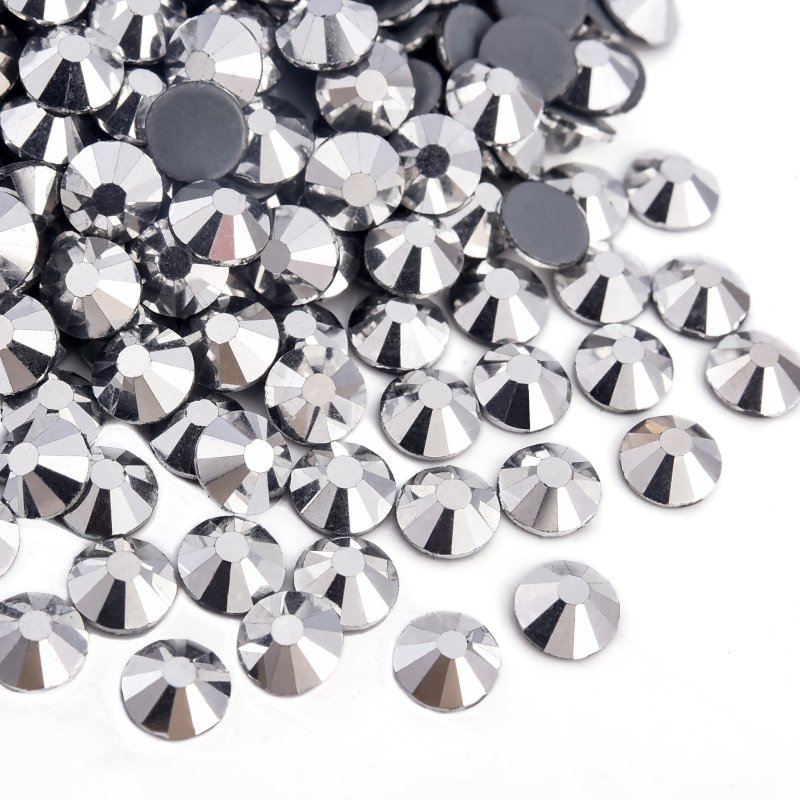
Section 1: Pre-Operation Inspection Checklist
Before the first garment is placed on the lower platen, the factory manager or shift lead must ensure the environment and equipment are ready for a high-volume run. A checklist for pre-operation includes:
Checklist Action Items:
Section 2: The Pre-Heating and Temperature Protocol
Temperature is the most critical variable in hotfix rhinestone application. Each rhinestone type (lead-free, low-lead, or high-end glass) and size (SS6 to SS30) has a specific melting point for its adhesive backing.
For factory managers, the goal is to maintain a stable heat profile. A heat press that fluctuates by even 5 degrees Celsius can ruin a batch of delicate polyester garments or fail to activate the glue on heavy denim.
Key Considerations for B2B Rhinestone Application:
When working with bulk hotfix rhinestones from Guangzhou manufacturers, the glue quality is generally high, but the “dwell time” (how long the press stays closed) must be adjusted for the thickness of the stone. Larger stones (SS20+) take longer to heat through to the adhesive than smaller stones (SS6).
Section 3: Calibrating Pressure for Different Fabric Types
Pressure is the “forgotten” variable in heat pressing, yet it is what forces the liquefied adhesive into the fabric’s weave. In a factory setting, “medium pressure” is too vague. Managers must define specific pressure settings for each fabric type.
The “Paper Test” for Pressure Calibration:
Place four strips of paper at each corner of the lower platen. Close the heat press. Try to pull the strips out. If they slide out easily, the pressure is too low. If they are impossible to move, the pressure is high. For hotfix rhinestones, you generally need “Firm/Heavy” pressure.
Manager’s Note: Always check the height adjustment knob. If operators are switching from thin T-shirts to thick hoodies without adjusting the platen height, the machine’s internal mechanics can be strained, and the pressure will be dangerously high or low.
Section 4: The Teflon Sheet and Heat Plate Maintenance
A Teflon sheet is an essential barrier between the heat plate and the rhinestone transfer. It prevents the rhinestones from sticking to the plate and protects the fabric from direct scorching.
Section 5: Hotfix Rhinestone Application Steps for Operators
Consistency starts with the operator’s workflow. Managers should post these steps at every workstation:
Section 6: Quality Control and Adhesion Testing
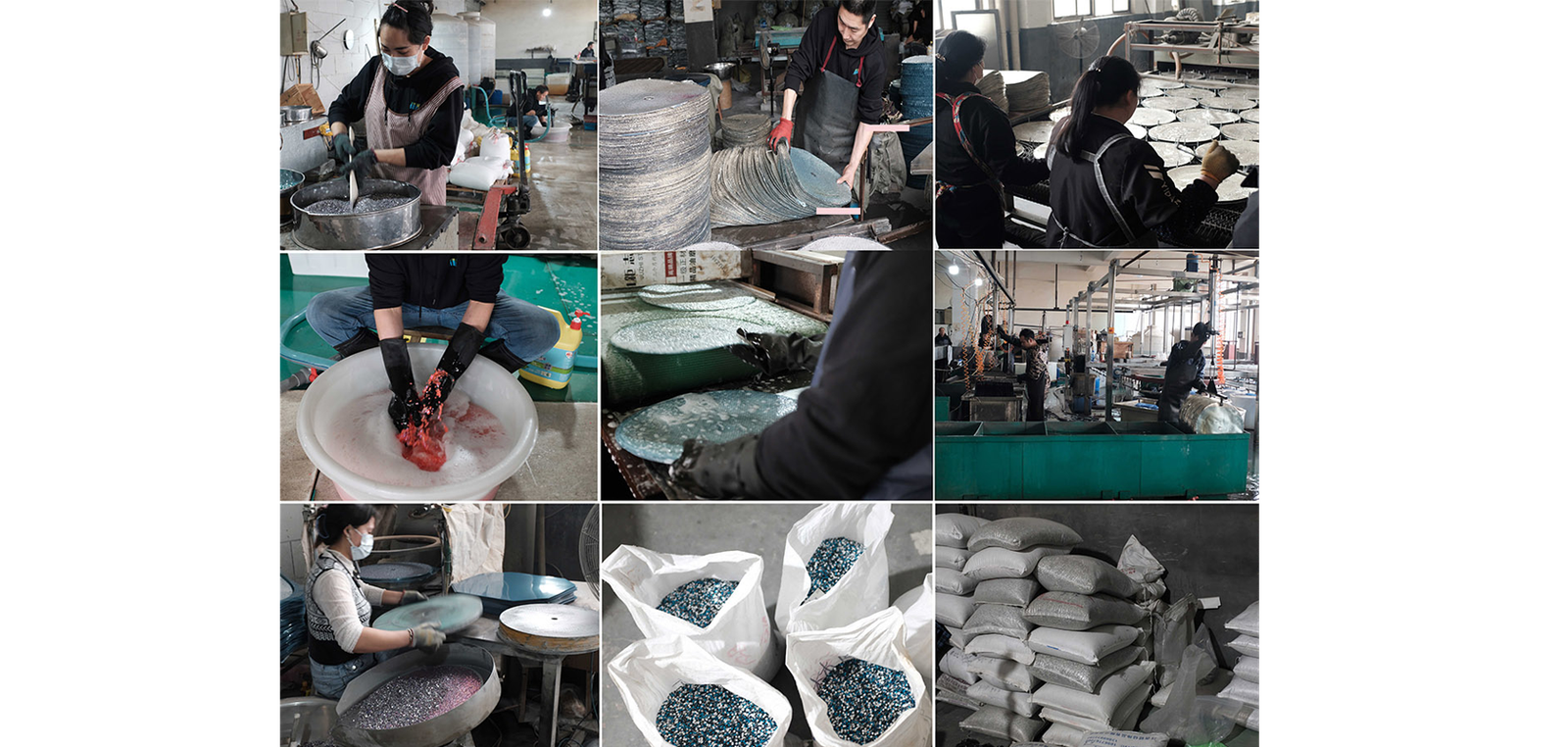
In a Guangzhou rhinestone factory, quality control (QC) is what maintains your reputation. Managers should perform “Spot Checks” every 50 garments.
Section 7: Safety Protocols for the Factory Floor
Safety is paramount when operating machinery that reaches temperatures of 200°C. A manager’s checklist for safety includes:
Section 8: Daily, Weekly, and Monthly Maintenance
A well-maintained machine lasts for a decade; a neglected one fails in a year. Managers must enforce a maintenance log.
Daily Maintenance (Operator’s Responsibility):
Weekly Maintenance (Shift Lead’s Responsibility):
Monthly Maintenance (Maintenance Department):
Section 9: Troubleshooting Common Heat Press Failures
When production stops, the manager needs to diagnose the issue quickly. Here are the most common B2B scenarios:
Scenario A: Rhinestones are falling off. Possible Causes: Low temperature, insufficient pressure, or “Hot Peeling” a cold-peel transfer. Also, check if the fabric has a waterproof coating (DWR) which prevents glue from bonding.
Scenario B: Fabric is scorching or yellowing. Possible Causes: Temperature is too high for the fabric type. Solution: Lower the temperature and increase the dwell time, or use a thicker Teflon sheet/pressing pillow.
Scenario C: Design is shifting during pressing. Possible Causes: The operator is closing the press too violently, or there is a draft blowing the transfer paper. Use heat-resistant tape to secure the design before pressing.
Scenario D: Uneven adhesion across the design. Possible Causes: The lower platen is not level, or the heat plate has a dead heating element. Check for cold spots and verify the pressure at all four corners.
Conclusion: The Path to Factory Efficiency
Managing a heat press operation at scale requires a balance of speed and precision. By implementing this checklist, factory managers can reduce the “reject rate” of garments, increase the lifespan of their expensive machinery, and—most importantly—ensure that the hotfix rhinestone products leaving Guangzhou are of the highest possible quality for the global market.
Remember: In B2B manufacturing, your reputation is as strong as the bond between the rhinestone and the fabric. Use this checklist, train your operators, and maintain your equipment to stay ahead of the competition in the competitive apparel industry.
Author Note: This checklist is a baseline. Always refer to your specific heat press manufacturer’s manual and the technical data sheets (TDS) provided by your hotfix rhinestone supplier for exact settings.
Deep Dive: Understanding the Science of Rhinestone Adhesion
To truly manage a factory floor, a manager must understand why these checklist items exist. Hotfix rhinestones use an Ethylene Vinyl Acetate (EVA) or Polyurethane (PU) based adhesive. This glue is solid at room temperature. When the heat press applies thermal energy, the glue undergoes a phase change into a liquid. At this moment, the pressure forces the liquid glue into the “valleys” of the fabric’s texture.
If the pressure is too low, the glue simply sits on top of the “peaks” of the fabric. Once it cools, it has no mechanical grip, and the stone will fall off. If the temperature is too high, the glue can “boil” or “off-gas,” creating tiny bubbles that weaken the bond. This is why the calibration steps in our checklist are non-negotiable.
The Role of Fabric Humidity in B2B Production
Guangzhou’s climate is notoriously humid. Many factory managers overlook the fact that fabric acts like a sponge. If your fabric has high moisture content, that moisture turns into steam the moment the 160°C heat plate touches it. This steam creates a barrier between the glue and the fabric. Our checklist item for “Pre-Pressing” (Step 5.1) is specifically designed to vent this moisture. Without a pre-press, you are essentially trying to glue a rhinestone to a cloud of steam.
Scaling Your Workforce: The Training Checklist
A manager is only as good as their least experienced operator. When onboarding new staff for the heat press line, use the following mini-checklist:
The Impact of Rhinestone Quality on Factory Throughput
As a wholesale manufacturer, the quality of the rhinestones you source directly affects your factory’s efficiency. Lower-quality stones often have uneven glue backing. This means that even with a perfect heat press, some stones will fail. By sourcing consistent, high-quality hotfix rhinestones, you allow your heat press operators to work faster and with more confidence, knowing that the machine settings don’t need to be constantly tweaked to compensate for poor materials.
Advanced Tip: Using Digital Pressure Sensors
For modern factories looking to move into “Industry 4.0” standards, we recommend upgrading to heat presses with digital pressure readouts. Instead of “Paper Tests,” managers can specify a “Pressure Level 6” or “50 PSI.” This data can be logged for every order, providing a digital paper trail that proves quality standards were met if a client ever raises a concern about durability.
Sustainability in the Heat Press Room
Efficiency also means reducing waste. A properly calibrated machine reduces the number of “seconds” (damaged garments). In the context of global B2B trends, sustainability is becoming a key selling point. If your factory can demonstrate a lower waste percentage due to rigorous checklist adherence, it becomes a more attractive partner for high-end international brands.
Conclusion Recap for Factory Managers
By following this checklist, you aren’t just pressing rhinestones; you are building a reputation for excellence that will keep your factory’s production lines running at full capacity for years to come.
A useful habit is to log every press cycle in a simple shift sheet: date, operator, fabric type, temperature, pressure, dwell time, and any defects observed. After two weeks, patterns become visible—for example, stones peeling on one machine only, or a specific fabric consistently needing a higher dwell time. In our Guangzhou factory we keep these logs for every production line, and they have become the fastest way to catch a drifting thermostat or a worn silicone pad before it creates a costly return. Review the logs weekly and recalibrate the machines that deviate by more than 3°C from the target setting.
Common calibration errors to watch for include assuming the digital display is accurate. A display can read 165°C while the platen surface is actually 150°C, which is enough to leave the German grey adhesive under-activated and the stones loose within a few washes. Use a surface probe thermometer and record the actual reading beside the display setting on your shift sheet. If the difference is more than 5°C, the thermocouple needs replacement. The same logic applies to the pressure gauge: a worn gauge can show 40 PSI when the real pressure is 28 PSI, so verify it against a known-good press or a calibrated gauge at least once a month.
If your heat press produces inconsistent results across different operators, standardize the process with a one-page visual card next to each machine. List the temperature, pressure, and dwell time for the five most common fabric types your factory runs, with a note to lower the setting by 10-15°C for spandex and stretch materials. New operators can then follow the card exactly instead of relying on memory or guesswork. This single practice reduces variance between shifts, which is often the hidden cause of a batch passing inspection one day and failing the next. The exact temperature, pressure and dwell time for the most common fabrics are set out in our rhinestone heat transfer temperature guide.
Whether you operate a single heat press or a full production floor, the discipline of documentation, calibration, and operator training is what turns a machine into a reliable quality system. Start with the checklist in this guide, adapt it to your own fabric mix, and review it monthly. The result is fewer returns, happier clients, and a production team that can point to written proof of quality for every order that leaves your factory.
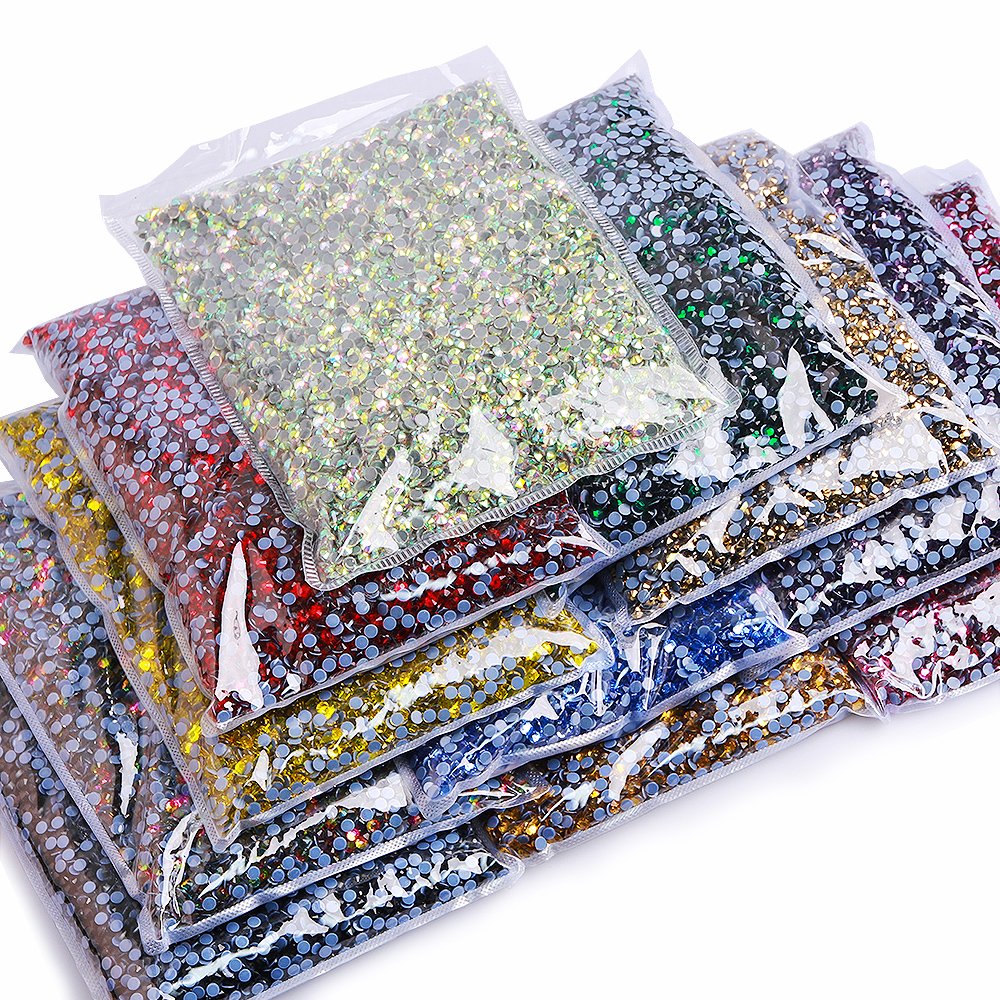
Need a size or color recommendation for your next order? Send us your fabric type, design, and target price — we reply within one business day. WhatsApp +86 13692450325 · rhinestonewholesale8@gmail.com