
Rhinestone Vinyl Heat Transfer for Instant Glam on Any Fabric
You have a plain denim jacket, a blank tote bag, or a dance costume that needs something before the weekend. Rhinestone vinyl heat transfer is the fastest way to turn that blank canvas into a sparkling design without a single stone placed by hand. Each sheet or strip carries rows of K9 glass rhinestones already arranged on a heat-activated backing, so you cut the shape you want, press it with heat, and peel. The whole process takes minutes, and the result holds through washing when the glue and the pressure are right. Here is how it works and how to get it right the first time.
How Does Rhinestone Vinyl Heat Transfer Work?
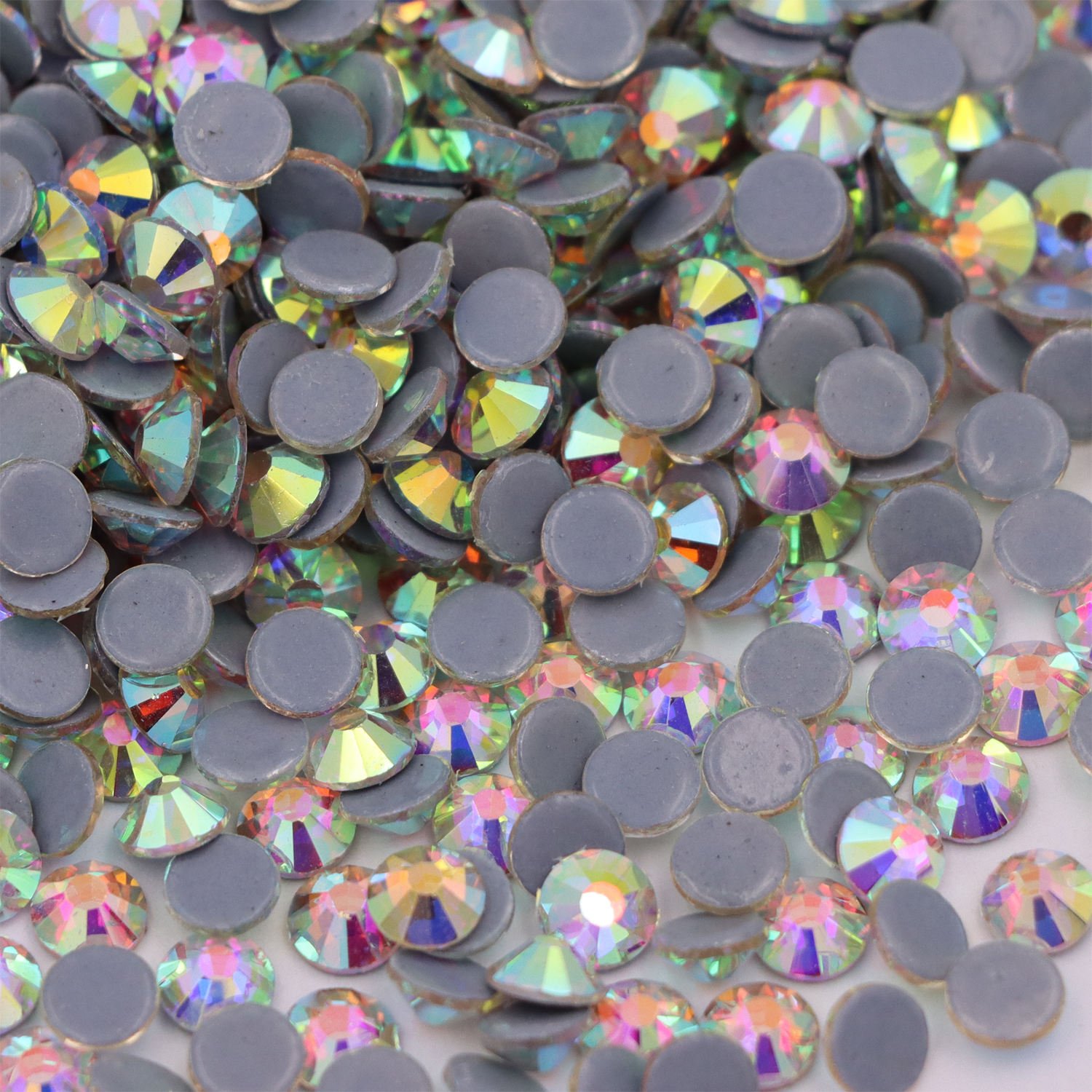
The stones on a rhinestone vinyl sheet are pre-arranged with their flat, glue-backed side facing a clear carrier film. You cut the sheet to the shape you want, position it on the fabric with the stones facing down, and press with heat and pressure. The heat melts the glue on the back of each stone, the pressure bonds it to the fabric, and after the piece cools you peel the carrier film away to leave the stones behind.
What makes this different from loose stones is the spacing. On a sheet or strip, the stones come spaced in even rows, so a strip of rhinestones gives you a perfectly straight line or a clean border without measuring. That pre-arrangement is why heat transfer rhinestone sheets are so popular for trim on cuffs, collars, and straps, where a hand-placed line would look uneven no matter how careful you are.
The backing also keeps the stones facing the same direction during pressing. With loose stones, a bumped stone can rotate or slide out of place before the press comes down. On a sheet, the carrier film locks every stone in position, so the moment the heat and pressure hit, the design is exactly where you laid it. That predictability is what makes the material beginner-friendly and what lets a production line turn out identical pieces hour after hour.
How This Differs from Loose Hotfix Rhinestones
Hotfix rhinestones are individual stones you place one at a time, while rhinestone vinyl heat transfer gives you stones already arranged on a backing you press as a single unit. Loose hotfix stones are the right choice for custom lettering and detailed motifs, where every stone needs its own position. Sheets and strips are the right choice for borders, bands, and repeating patterns, where a pre-spaced row saves you an hour of measuring.
The glue is the same in both forms. Quality stones, whether loose or on a sheet, carry a gray glue that activates around 150–170°C, which is why they hold through washing when cheaper yellow-glue stones shed. The carrier film is the only real difference: it holds the stones in place until the press goes down, then peels clean once the glue has bonded to the fabric. Pick loose stones for bespoke work and sheets or strips for speed, and use them together for a full design with a hand-placed focal point and a pre-spaced border.
What Can You Decorate with Rhinestone Vinyl Sheets and Strips?
Heat transfer rhinestone sheets turn up on everything from dance costumes and gymnastics leotards to denim jackets, tote bags, and baseball caps. The sheets handle the wide coverage, and the strips handle the trim, so a single project often uses both. A leotard gets a strip of stones along the neckline and a sheet motif across the chest, while a denim jacket gets strip borders on the cuffs and a sheet design on the back panel.
Scene by Scene, Where the Sparkle Lands
Dance studios lean on heat transfer rhinestone bling for competition costumes, because a full line of stones down a sleeve or a band across a bodice catches stage lights in a way flat sequins cannot. A gymnast’s leotard gets a narrow strip down each side seam to lengthen the silhouette, plus a small sheet motif at the collar. The stones have to survive rehearsal after rehearsal, which is exactly why the gray glue matters more than the sparkle itself.
Boutique clothing and accessories use the same material differently. Iron on black rhinestone sheets are a favorite for edgier looks, because black stones read bold on light fabric and add contrast on dark fabric. A black stone strip running down the sleeve of a bomber jacket, or a black sheet star on the back of a denim vest, gives a crisp, graphic effect that clear stones cannot match. The point is that one material covers a huge range of looks, from subtle trim to full coverage, and you can switch between them without changing tools.
Tote bags and caps are the entry projects that teach you the press before you risk a garment. A canvas tote takes a single sheet motif across the front and holds stones beautifully because the fabric is stable. A cap gets a narrow strip along the seam or a small sheet design on the front panel, but the curved surface means you press in sections rather than one flat pass. Both are cheap canvases, both photograph well, and both teach the pressure and peel timing that a jacket or costume demands later.
Festival and bridal wear push the same material into full sparkle. A festival jacket gets strips down both sleeves and a scattered sheet motif across the shoulders, layered until the whole piece reads as one shimmering surface. Bridal and evening accessories, like a clutch or a wrap, use clear or AB stones in fine strips for a delicate line that catches candlelight. The same sheets and strips scale from a single accent to a full statement, and the only variable that changes is how many you cut and press.
Designs and Kits for a Strong Start
A heat transfer rhinestone kit is the easiest way to start, because it bundles sheets, strips, and often a pressing cloth or basic shapes in one box. Kits take the guesswork out of ordering by giving you a mix of sizes and finishes to experiment with, and they are sized for a few small projects rather than a bulk run. If you are new to this, a kit plus a plain tote bag is the lowest-risk way to learn the pressure and timing before you touch a customer’s jacket.
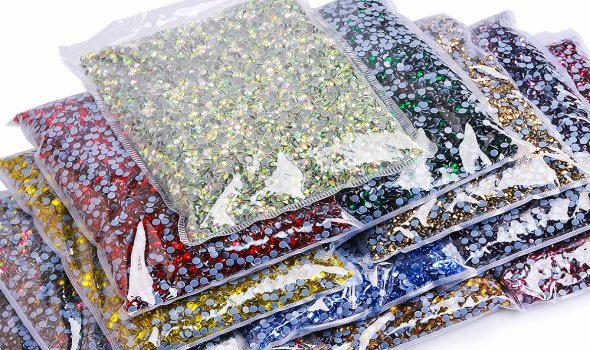
Once the kit feels easy, buying heat transfer rhinestones for sale by the sheet or strip gives you the volume to scale up. A hobbyist can work from a kit indefinitely, but a seller or a studio needs consistent stock of the exact size and finish their designs rely on. Bulk sheets and strips cost less per stone and keep the color and facet quality uniform across every piece you make, which a rotating mix of retail packs never quite delivers.
For heat transfer rhinestone designs, think in terms of where the light will hit. Borders and bands work best on edges like cuffs, collars, and straps, where a clean line frames the garment. Motifs and scattered shapes belong on flat panels like the chest or back, where they have room to breathe. Matching your design to the garment shape is the difference between decoration that looks added on and decoration that looks like it was always part of the piece.
Color finishes give you three distinct tools in one material. Clear stones read crisp and classic, the safest choice for a first project or a piece you want to wear often. AB-coated stones flash blue and pink as they move, which is why dance and stage pieces lean on them almost exclusively. Colored stones like amethyst, emerald, and rose let you match a specific outfit or theme. Most makers keep a sheet or two of each finish, because the same motif in clear versus AB produces a completely different garment in person.
How Do You Apply It So the Rhinestones Stay On?
Set your heat press or iron to the fabric you are decorating, position the sheet with the stones facing down, and press with firm, even pressure. For cotton, 165°C for about 15 seconds works well. For stretchier knits, drop to 150°C with lighter pressure so you do not warp the fibers. Cover the design with a pressing cloth or Teflon sheet first, because direct heat can flatten the facets and dull the sparkle.
Let the piece cool completely before you peel the carrier film. Peeling while it is still warm can pull stones up with the film, because the glue has not finished setting. Once cool, peel slowly and check that every stone stayed on the fabric. If a stone lifts, cover it again and re-press that spot for a few seconds. Then wait a full day before the first wash so the glue can cure, and wash inside out on cold to keep the design intact.
What Keeps the Stones on Through the Wash
Durability comes down to the glue and the press, not the vinyl backing itself. The backing is just a temporary carrier, so once it peels away the only thing holding the stones on is the glue you just heat-activated. K9 glass stones with gray glue, pressed at the right temperature and pressure, hold through routine washing and lose well under a fraction of their stones over dozens of cycles. Stones with weak yellow glue start dropping after a few washes no matter how carefully you pressed them.
The fabric also plays a role. Heat transfers for clothing bond best to stable fabrics like cotton and denim that do not stretch under the press. Highly elastic fabrics can distort during pressing and pull stones loose afterward, so stretchy garments need the lower temperature and lighter pressure, and ideally a stretch test before the first wash. Press correctly, choose the right fabric, and the design will outlast the garment it is on.
Washing habits finish the job. Turn the garment inside out, use cold water, and skip the dryer on high heat, because heat is what slowly loosens the bond over many cycles. A mesh laundry bag stops the stones from rubbing against zippers and buttons. For a costume you want to keep for a full season, hand washing or a gentle cycle is the difference between a design that looks new in May and one that looks patchy by the final recital.
Choosing Between Sheets, Strips, and Loose Stones
Use sheets when you need to cut shapes or cover a larger area, strips when you need a straight border or a repeating line, and loose stones when you need custom lettering or a one-off motif. Sheets give you the most flexibility because you can cut any silhouette out of them, but they cost more per stone than loose stones because of the arrangement work. Strips are the cheapest way to get a perfect straight line, and they save you the most time on trim.
Most serious projects use a combination. Cut a motif from a sheet, run a strip border along the edges, and fill in a few hand-placed accent stones to tie it together. That mix is what you see on professionally decorated dancewear and boutique clothing, and it is the reason a well-stocked maker keeps all three forms on hand rather than committing to just one.
Stone size shapes the result as much as the form. SS6 stones at 2.0mm make a fine, delicate line that suits evening wear and small accents. SS10 at 2.8mm and SS16 at 4.0mm are the workhorses for borders and motifs that need to read from a few feet away. Larger stones beyond SS16 start to feel heavy on clothing and are better saved for accessories like bags and shoes. Match the stone size to how far away the piece will be seen, and the design will carry exactly the impact you intended.
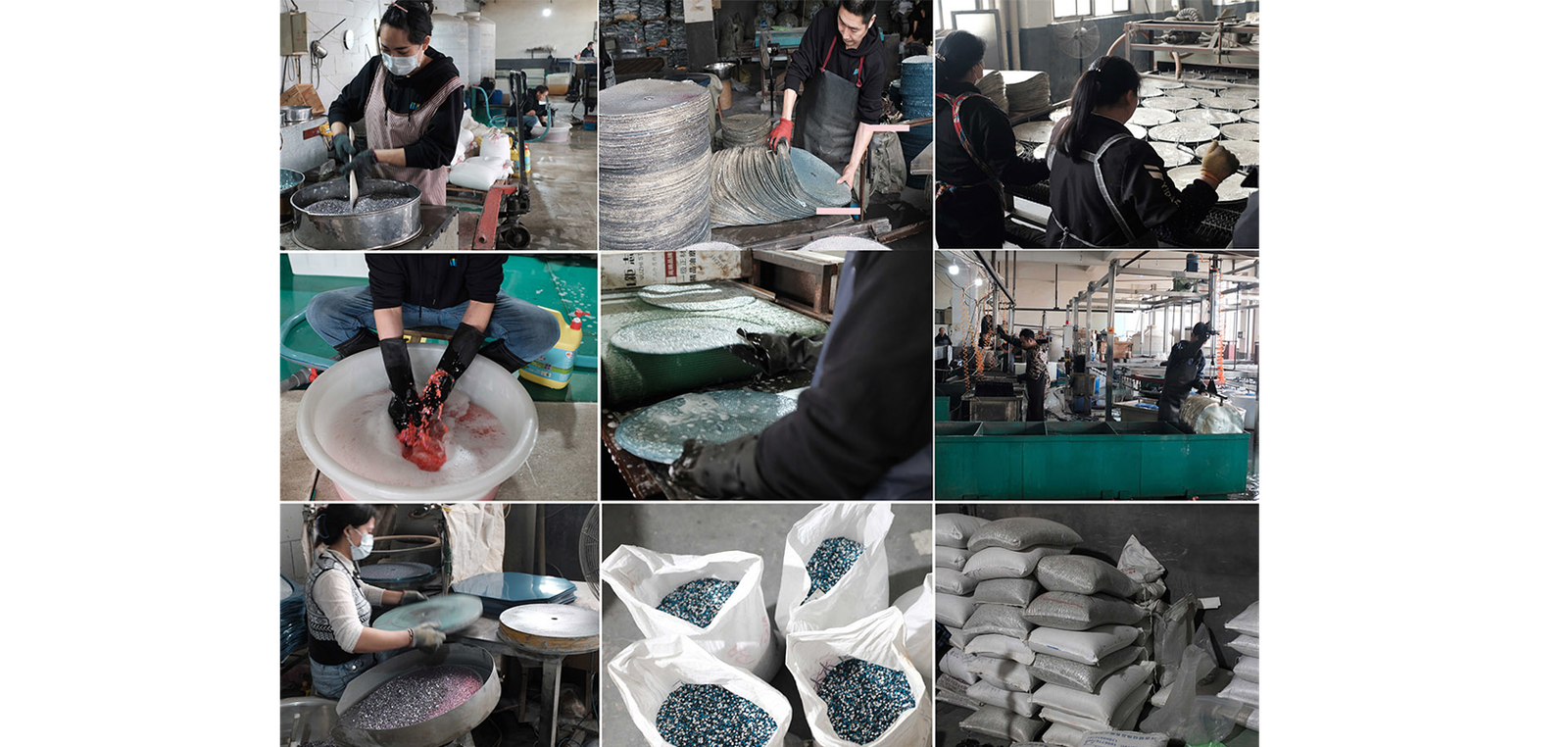
If you are decorating at any scale, from a single costume to a production line, our factory supplies the K9 glass rhinestones behind these sheets and strips. We machine-cut each stone to 12 to 14 facets, apply AB coating by vacuum deposition, and back every stone with German-imported gray glue rated for 150–170°C so the design survives washing. Whether you need loose stones, sheets, or strips in bulk, request free samples first and test them on your own fabric. Message us on WhatsApp at +86 13692450325 or email rhinestonewholesale8@gmail.com, and we will send samples and a quote.
Need a size or color recommendation for your next order? Send us your fabric type, design, and target price — we reply within one business day. WhatsApp +86 13692450325 · rhinestonewholesale8@gmail.com