
Rhinestone Straps for Wedding Dress Ideas That Add Structure and Shine
A strapless gown can leave your shoulders feeling exposed and the bodice looking unfinished in side profiles. Rhinestone straps for wedding dress ideas solve both problems at once, because a strap is not just decorative, it actually lifts and supports the bodice while it catches the light. The trick is choosing a strap that reads as part of the dress rather than an afterthought sewn on at the last fitting. K9 glass rhinestones with a grey hot-melt backing, or hand-set flatbacks on a fabric strap, give you the sparkle of a designer detail for a fraction of the price. This guide covers the strap styles that flatter different silhouettes, the stone sizes that work at shoulder scale, and a DIY method you can finish in an evening.
What are the best rhinestone strap ideas for a wedding dress?
The best rhinestone strap ideas are the ones that match the neckline and the fabric, and the three most flattering options are a thin single-row strap, a tapered wide strap, and a delicate off-shoulder drape. A single row of SS10 or SS16 stones creates a fine line of sparkle that reads as elegant and barely there. A tapered strap that widens at the shoulder adds structure and draws the eye up toward your face. An off-shoulder drape with scattered stones softens the whole look and works beautifully on romantic, flowing gowns. The strap you pick should feel like an extension of the bodice, not a separate accessory, so match the crystal finish to whatever sparkle already exists in the dress.
Among current rhinestone straps for wedding dress trends, the scattered or stardust layout is the one worth copying, because it looks hand-finished and hides any spacing mistakes. Full-coverage straps in a tight grid read more formal and vintage, which suits a structured ballgown. The tapered wide strap has become the default for brides who want support, since it spreads the weight across the shoulder instead of cutting in like a thin strap can. Start from one of these three shapes and adjust the density to your comfort, and the result will look custom-made.
Which rhinestone strap styles flatter a strapless gown?
A strapless bodice calls for a strap that carries the eye upward, so a tapered strap with stones concentrated at the top edge works best. The widening shape fills the space between the bodice and the shoulder, which balances a bare neckline instead of leaving it stranded. For a simpler neckline, a thin double row of SS10 stones adds just enough sparkle without competing with a detailed bodice. If the gown has a sweetheart or straight neckline, keep the strap symmetrical and let the stones sit on the outer edge so they catch light from the side in photos. Rhinestone straps for wedding dress styles follow one rule: the busier the bodice, the simpler the strap, and vice versa.
How do rhinestone straps pair with a dress with a slit?
A dress with a slit already directs the eye down one leg, so the straps should pull attention back up to balance the silhouette. Rhinestone straps for wedding dress with slit designs work best when the sparkle is concentrated at the shoulders and neckline, which keeps the look from feeling bottom-heavy. Choose a slightly wider strap with clustered stones near the shoulder, and echo a few scattered stones at the neckline so the light travels from top to bottom in one flow. The slit stays the secondary detail, and the straps become the anchor point that keeps the whole gown composed.
How do you add rhinestone straps to a wedding dress yourself?
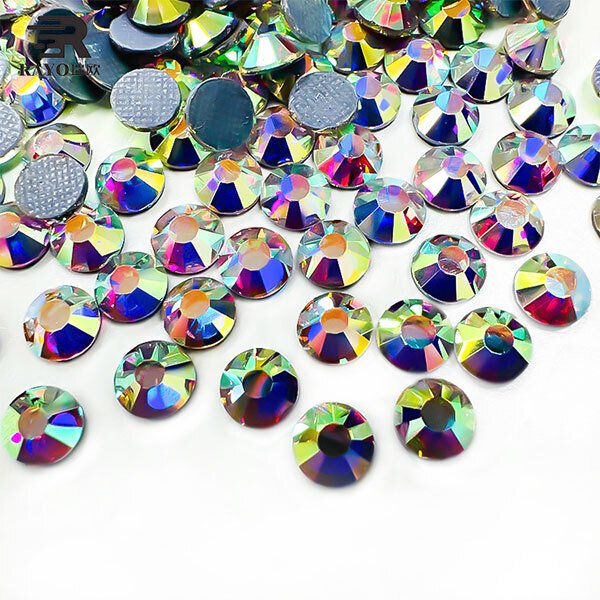
You add rhinestone straps to a wedding dress yourself by building the straps flat, then attaching them to the bodice by hand. The simplest rhinestone straps for wedding dress diy method uses hotfix stones pressed onto a ribbon or fabric strip, which you then sew into the dress at the shoulders. Work on the strap while it is flat and unpinned, because it is far easier to place stones evenly on a strip than to work over a curved bodice. Once the stones are set and cool, fold the ends under, position the strap where you want it, and hand-sew it into the lining with small, even stitches that stay hidden behind the outer fabric. This way the stones are perfectly spaced, and the only sewing you do on the gown itself is a short, straight seam.
The full rhinestone straps for wedding dress tutorial breaks into five steps. Measure the strap length by pinning a ribbon over your shoulder and marking where it meets the bodice on both ends, adding half an inch for the seam. Cut two strips and press your stones onto each one, working from the center outward so the spacing stays even. Let the glue cool and check that every stone is gripping before you touch the dress. Pin the finished straps in place and try the gown on to confirm the length and angle. Finally, hand-sew the ends into the lining, hiding the raw edges under the outer fabric. Most brides finish both straps in a single evening, and the result is secure enough to wear through the reception.
How do you attach rhinestone straps without damaging lace?
Attaching rhinestone straps to a lace gown means sewing into the lining, never through the lace itself, because a needle through fine lace leaves holes that will not close. Fold the strap end under and slip it between the outer lace and the lining, then stitch it to the lining only. If the bodice has no separate lining, use a small fabric patch as a backing and sew the strap to that, so the lace never carries any tension. For stretch fabrics, keep the stitches loose enough to move with the gown, since a tight seam on spandex will pucker as the dress shifts. A few extra minutes of careful anchoring protects both the lace and the stones.
Can you make rhinestone straps removable?
Yes, and it is the smart choice for a gown you plan to rewear or resell. Sew small clear snaps or hook-and-eye closures to the strap ends and the bodice lining, so the straps lift off for a strapless second look or for a cleaner storage. Removable straps also let you switch between a plain and a sparkled option depending on the event, and they protect the stones from being crushed when the dress is packed. Just make sure the closures are rated for the tension, because a strap that pops loose during the first dance undoes all your work. Test the attachment by moving your arms through a full range of motion before the wedding day.
What size rhinestones work best on wedding dress straps?
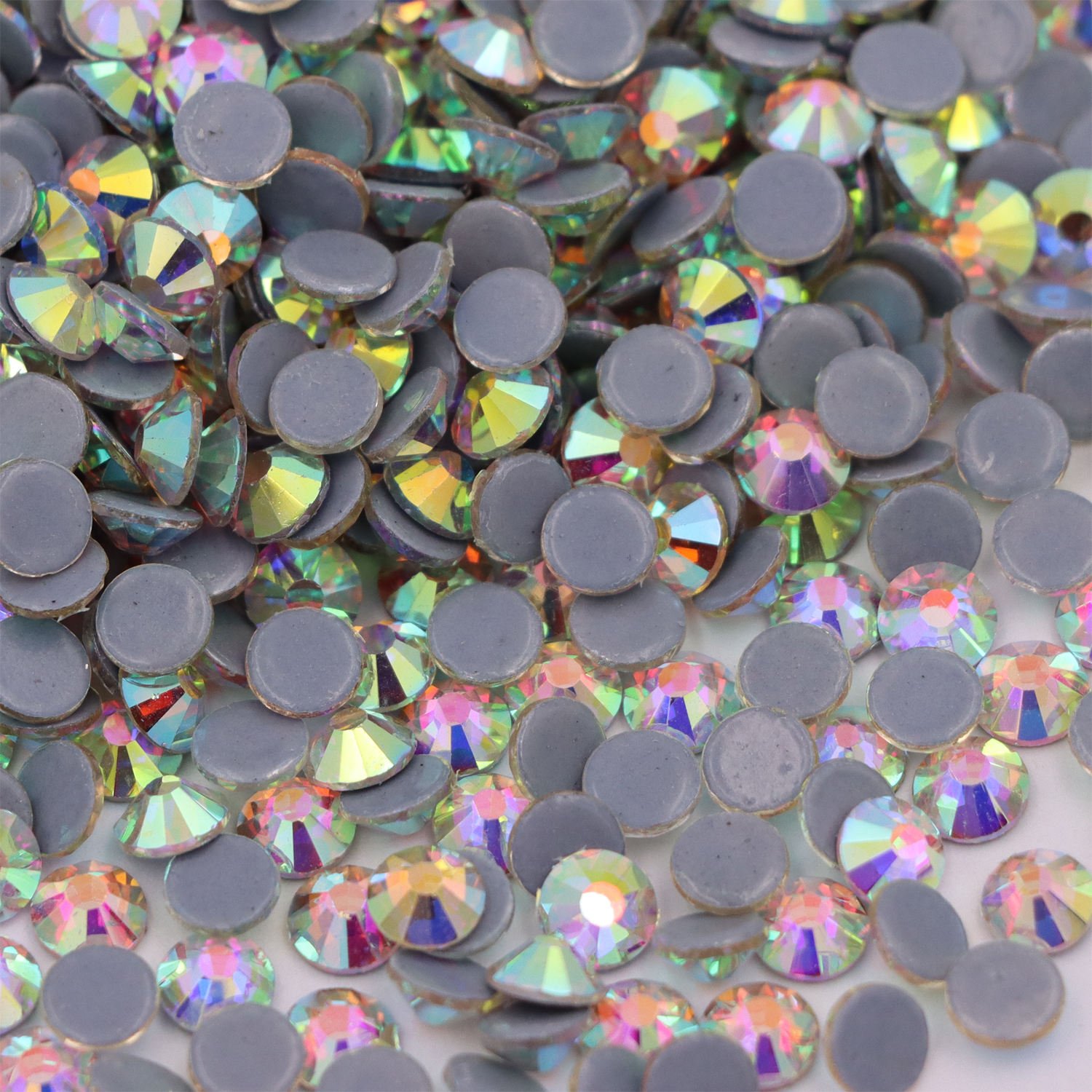
SS10 at 2.8 mm and SS16 at 4.0 mm are the two sizes that work best on wedding dress straps, because they are large enough to read as individual stones at shoulder distance without looking heavy. SS6 at 2.0 mm produces a fine, continuous shimmer for a delicate single-row strap, while SS20 at 4.8 mm works as a scattered accent on a wider tapered strap. The shoulder is a high-movement area, so the stone backing matters: grey hot-melt adhesive rated for 150°C to 170°C stays bonded through the stretch and flex of wearing, while cheaper yellow glue softens below 130°C and lets stones pop loose. Choose glass over acrylic for the same reason, since K9 glass carries a Mohs hardness of 6 to 6.5 and resists the scratching that a shoulder strap inevitably takes from hair, bags, and hugs.
Density changes the entire mood of the strap. A single row reads as fine jewelry, while two or three close rows read as a statement. A scattered field of SS16 stones over a wider strap looks modern and airy, and it uses far fewer stones than a tight grid, which keeps both the weight and the cost down. For a rhinestone strap on a lace dress, a sparse scatter often looks better than a full row, because it lets the lace pattern show through and avoids a heavy band of sparkle. Match the density to the fabric and the strap will look like it was always meant to be there.
How do you choose between a thin and a wide strap design?
Thin straps suit petite frames and delicate fabrics, because a heavy band can overwhelm a narrow shoulder. Wide tapered straps suit fuller busts and structured gowns, since they spread the weight and provide real support rather than sitting as decoration. The fabric decides too: a thin strap on chiffon keeps the airy feel, while a wide strap on satin or mikado adds presence that matches the structure of the cloth. If you want support but not bulk, a thin strap with a clear silicone strip sewn underneath grips the shoulder and stays put without adding visual weight. Let the strap do one job well, either sparkle or support, and let the dress carry the rest.
What finish matches a white or ivory dress?
Crystal AB is the default because its iridescent coating reflects both warm and cool light, so it reads well against white, ivory, and champagne alike. A clear crystal without coating looks cleaner and more modern, which suits minimalist gowns with no other shimmer. If the dress carries existing beading, match the new stones to the finish of the old ones rather than introducing a new tone, since mixed finishes at the shoulder and bodice read as a mismatch in close-up photos. Order a small sample and hold it against the dress in natural light before you commit, because the same AB stone shifts character depending on the fabric tone beneath it.
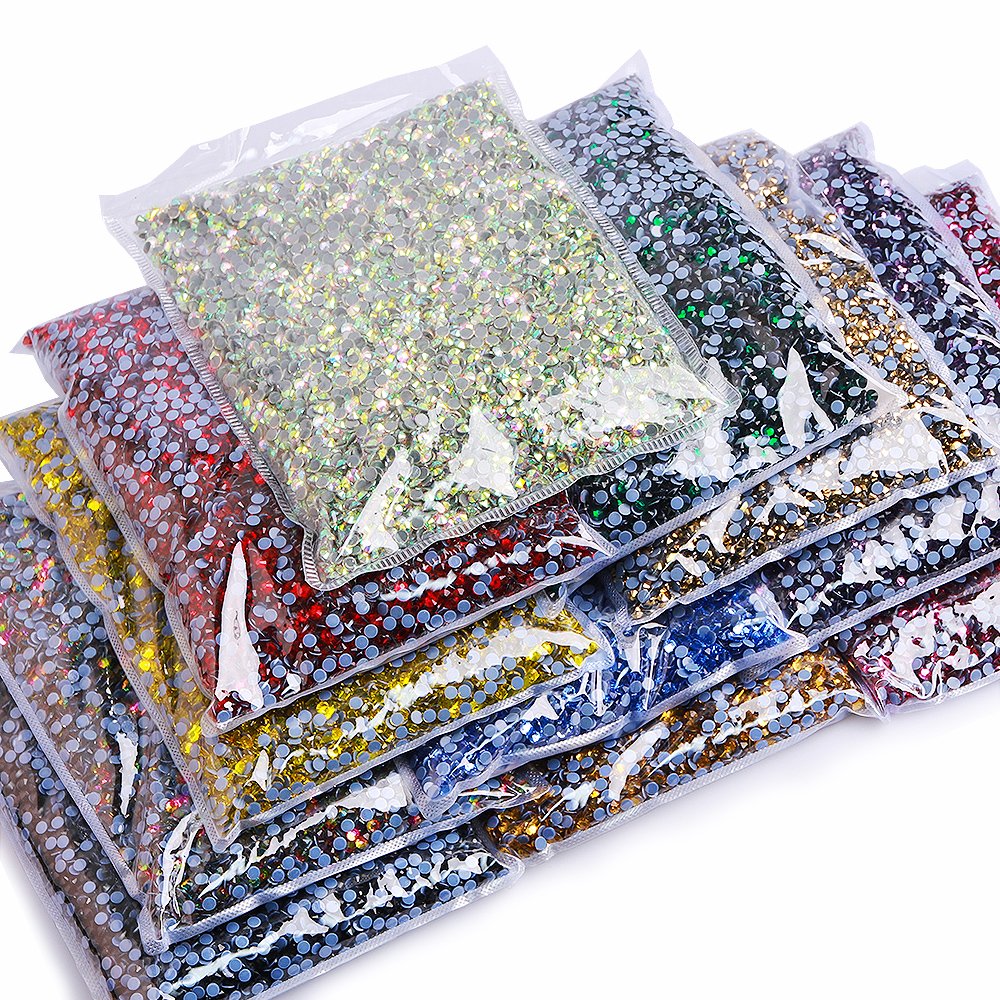
Whether you are replacing thin straps on a store gown or building a pair from scratch, the stones themselves make the difference between a strap that sparkles and one that looks flat by the end of the night. Our team supplies K9 glass rhinestones in every finish and SS size, with the grey hot-melt backing that survives a full reception of dancing and hugs. Tell us the strap style and fabric you are working with and we will send a free sample pack so you can press a few stones and check the sparkle before you buy. Message us on WhatsApp at +86 13692450325 or email rhinestonewholesale8@gmail.com.
Need a size or color recommendation for your next order? Send us your fabric type, design, and target price — we reply within one business day. WhatsApp +86 13692450325 · rhinestonewholesale8@gmail.com