
How to Wear Rhinestone Clothing for Women
A rhinestone top is the fastest way to turn a plain pair of jeans into an outfit that gets noticed, and it is no longer reserved for holiday parties. Women are wearing crystal-trimmed blouses to the office, rhinestone tees to weekend brunch, and fully stoned bodysuits to concerts and birthdays. The trick is knowing which pieces read as elevated and which read as costume, and that mostly comes down to stone quality, density, and how the rest of the outfit is kept quiet. If you have ever bought a sparkly top that shed half its stones after two washes, the problem was not the style but the stone grade. Here is how to choose rhinestone clothing for women that actually lasts and how to wear it without overdoing it.
What is rhinestone clothing for women?
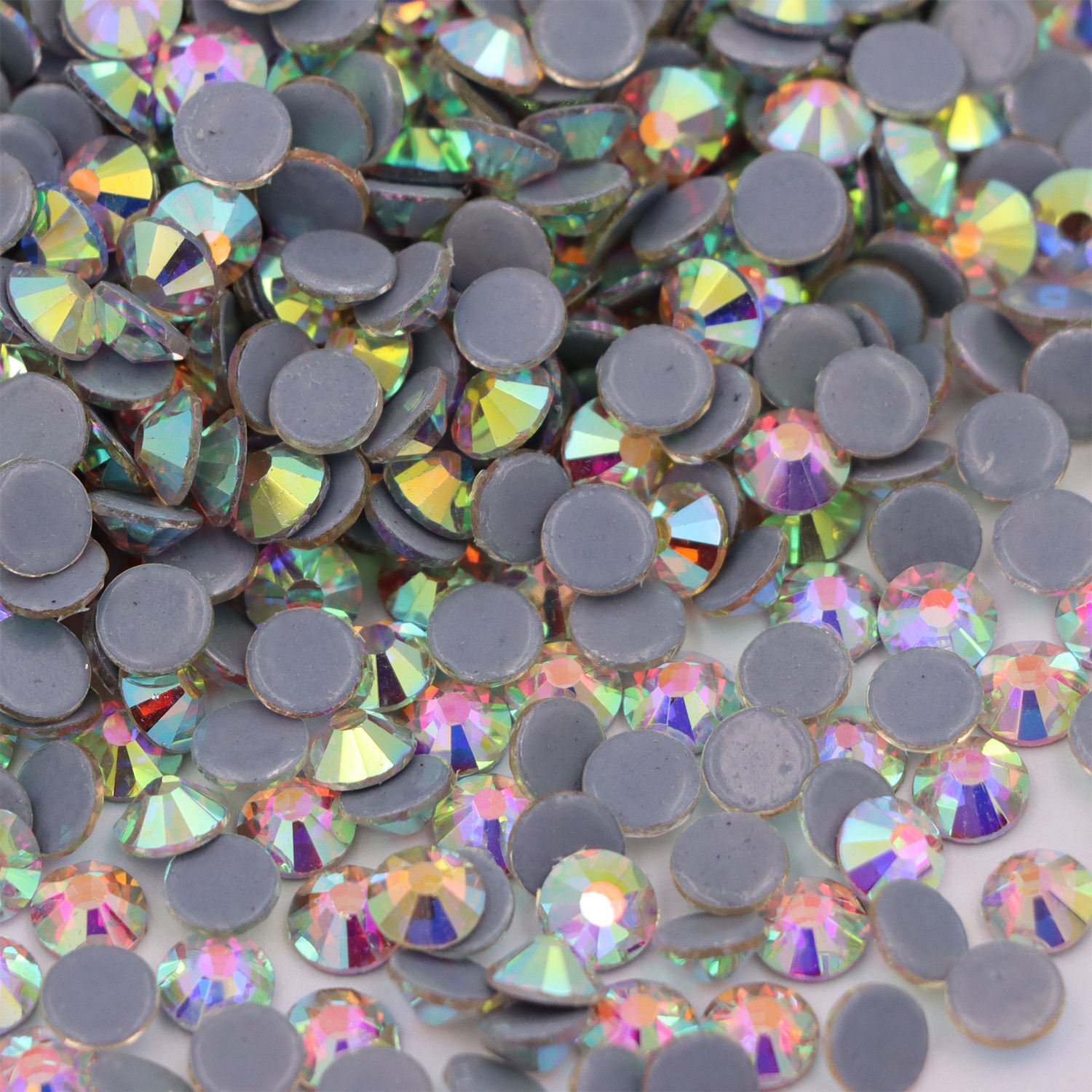
Rhinestone clothing for women is any garment embellished with glass or acrylic stones, either applied as hotfix stones with a glue backing or sewn on, and it spans tees, blouses, jackets, dresses, bodysuits, and even suits and pants. The stones themselves range from tiny SS6 accents to bold SS20 and SS30 statement pieces.
The look changed a lot in the last decade. What used to be costume-jewelry territory is now a mainstream styling choice, because the stones got better. K9 optical glass rhinestones have a refractive index around 1.9, far higher than the 1.49 of acrylic, and they are cut with 12 to 14 facets so they flash like diamond instead of sitting flat. That one material upgrade is what separates a luxury-looking shirt from a craft-store project. When you shop, ask what the stones are made of, because two tops that look identical in a photo can be K9 glass and acrylic respectively.
How do you style rhinestone outfits for women?
Style rhinestone outfits for women by letting the sparkle be the single focal point and keeping everything else matte and simple. A rhinestone blouse works with dark trousers or straight-leg denim, while a crystal tee pairs with a clean white sneaker and minimal jewelry.
The rule that prevents the costume effect is contrast, not subtraction. One heavily stoned piece against smooth, unembellished fabric reads as intentional; rhinestones on top, on the shoes, on the bag, and on the nails reads as a theme party. For daytime, choose a single rhinestone element, such as a collar, a cuff, or a chest motif, rather than a fully covered piece. For evening, you can push to a fully stoned bodysuit or blazer and let the lighting do the work. Match the stone color to your undertone the same way you would jewelry: crystal and silver flatter cool skin, while gold and champagne stones warm up olive and deeper tones.
How do you wear a rhinestone bodysuit for women?
A rhinestone bodysuit for women does the styling work on its own, so pair it with high-waisted trousers or a skirt and keep the shoe clean. The bodysuit silhouette matters more than the stone pattern, because a fully stoned bodysuit with a sagging hem or a poor snap closure looks cheap no matter how bright the crystals are.
Check the stretch before you buy. Most stoned bodysuits are built on spandex blends, and hotfix stones need a lower press temperature on stretch fabric, around 150 degrees Celsius at 30 PSI for about 12 seconds, to bond without scorching. If the manufacturer pressed at cotton settings on a spandex base, the stones may have sunk into the fabric or left glue rings. Run a finger across the stones: they should sit proud of the fabric with clean edges, not look melted into a puddle.
What about rhinestone suits and pants for women?
Rhinestone suits for women and rhinestone pants for women read as high-fashion when the stones are concentrated on structure rather than scattered everywhere. A blazer with crystal lapels or a pant with a stoned side seam looks deliberate; an all-over stoned two-piece is a stage look best saved for performers.
For a suit, the smart placement is edges and closures: lapels, pocket flaps, cuff bands, and the button placket. Those are the areas the eye already follows, so the stones amplify the tailoring instead of fighting it. For pants, a side seam or a small hip motif keeps the piece wearable, because stoned fabric does not drape the same way plain fabric does. Every stone adds stiffness, so the more coverage, the more structured the garment feels. That is why most designers cap all-over stoning at stretch pieces like bodysuits and skip it on tailored trousers.
What fabric works best for rhinestone blouses and tees?
Cotton and cotton blends are the most forgiving base for rhinestone blouses and tees, because they hold a firm hotfix bond and press cleanly at 165 degrees Celsius, 40 PSI, for 15 seconds. Wovens like silk and chiffon need a lower temperature and a protective sheet to avoid scorching.
Fabric choice changes both the application and the life of the garment. A rhinestone luxury woman shirt in silk should be pressed at 140 degrees Celsius for about 10 seconds with an insulation sheet between the iron and the fabric, because silk scorches easily and the stones can leave an imprint. Spandex and stretch blends take stones well but require the lower 150-degree setting so the elastic is not damaged. Avoid heavy pile fabrics like fleece and terry, because stones sink into the nap and the glue never seats against enough surface to hold. If you are buying rather than making, ask what base fabric was used and whether the stones are hotfix or sew-on, because that single question predicts how long the piece will survive.

How do rhinestones stay on women’s clothing?
Hotfix rhinestones stay on clothing through a heat-activated glue backing that melts and bonds to the fabric when pressed, while sew-on stones are stitched through drilled or foiled settings. The glue is the weak point in most cheap pieces, not the stone itself.
The glue grade is visible if you know what to look for. German grey glue melts at 150 to 170 degrees Celsius and keeps its bond through repeated washing and body heat. Cheap yellow glue softens below 130 degrees, which is why stones on fast-fashion tops pop off in a warm car or after a few trips through the dryer. The stone material matters for how the piece ages: K9 glass with a proper grey glue survives 50 standard machine washes at under 2 percent stone loss, while cheap acrylic with yellow glue can lose over 30 percent of its stones after five washes. When a top sheds crystals everywhere, it is almost always acrylic on yellow glue, and no amount of careful washing will fix it.
Are rhinestone clothes machine washable?
Yes, rhinestone clothes are machine washable if they are made with K9 glass stones on a proper glue and you wash them inside out on cold, but you should air dry them. High heat and agitation are what kill the bond, not the water itself.
The safest routine is to turn the garment inside out, use a mesh laundry bag, wash on a cold delicate cycle, and lay flat to dry. Skip the dryer entirely, because dryer heat can re-soften glue and the tumbling knocks stones loose. Do not dry-clean hotfix rhinestones, since the solvents in dry-cleaning fluid can break down the adhesive. If a stone does fall off, keep the piece flat and reapply a replacement stone with a small heat press or a hand-held applicator rather than fabric glue, which dries stiff and leaves a white halo. A garment made right can go through dozens of washes and still look new; the care instructions are your only job after that.
How much does rhinestone clothing for women cost?
Rhinestone clothing for women runs from about $15 for fast-fashion acrylic tees to well over $150 for fully stoned bodysuits and blazers, and the price almost always tracks the stone grade and stone count. A top with a few hundred K9 stones costs more than a top with the same number of acrylic stones.
The math is simple once you see it. A small chest motif might use 500 to 2,000 stones, while a fully covered piece can carry tens of thousands. Since K9 glass costs more per piece than acrylic, a truly full-coverage piece in real glass is expensive to make, which is why so many budget versions quietly switch to acrylic. The visible difference is small on day one and enormous by month three. If you want the piece to last, pay for the glass version; if you are buying something you will wear once for a photo, acrylic is a defensible choice. Either way, knowing which one you are holding is worth more than any brand name on the label.
Can you add rhinestones to your own clothes?
Yes, you can add rhinestones to your own clothes with a home heat press, a hand-held applicator, or a needle and thread, and doing it yourself is the cheapest way to get a custom look. The only real requirements are the right stones, the right fabric, and a press setting that matches both.
Hotfix is the easiest route for beginners. Lay the stones glue-side down on the garment, cover with a pressing sheet, and press at the setting that matches your fabric: cotton at 165 degrees Celsius for 15 seconds, spandex at 150 degrees for 12 seconds, silk at 140 degrees for 10 seconds. Let the piece cool completely before you move it, because the glue is still soft for a minute or two after pressing. Sew-on is slower but more forgiving on delicate fabrics and lets you use larger drilled stones. Start with a single motif on a thrifted tee before you tackle a whole jacket, and you will learn more in one afternoon than from any tutorial.
—
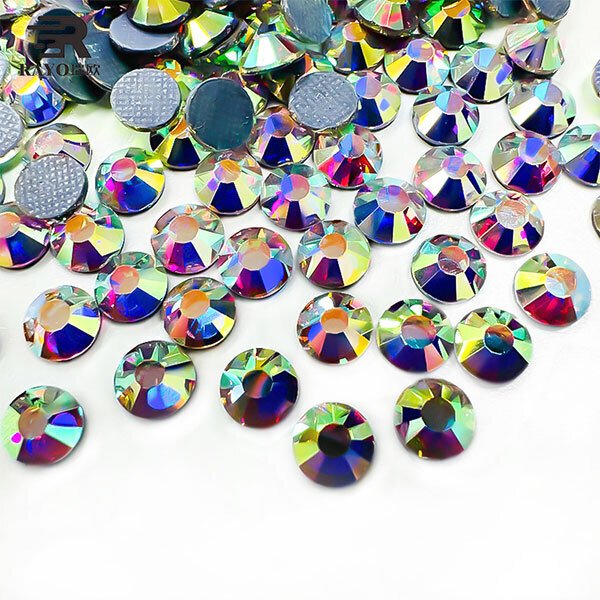
Guangzhou Yiben E-Commerce Co., Ltd. has manufactured K9 optical glass hotfix rhinestones for 12 years and supplies the stones behind a lot of the rhinestone clothing for women you see in boutiques and online stores. We sell in low minimums, two packs per color and size, and ship worldwide from Guangzhou. If you are designing your own line or just want to embellish a few pieces at home, send us a message for a color chart and pricing. Reach us on WhatsApp at +86 13692450325 or email rhinestonewholesale8@gmail.com.
Need a size or color recommendation for your next order? Send us your fabric type, design, and target price — we reply within one business day. WhatsApp +86 13692450325 · rhinestonewholesale8@gmail.com